Maurice
Eastern Roman Emperor
Years: 539 - 602
Maurice (Latin: Flavius Mauricius Tiberius Augustus) (539 – 27 November 602) is Byzantine Emperor from 582 to 602.
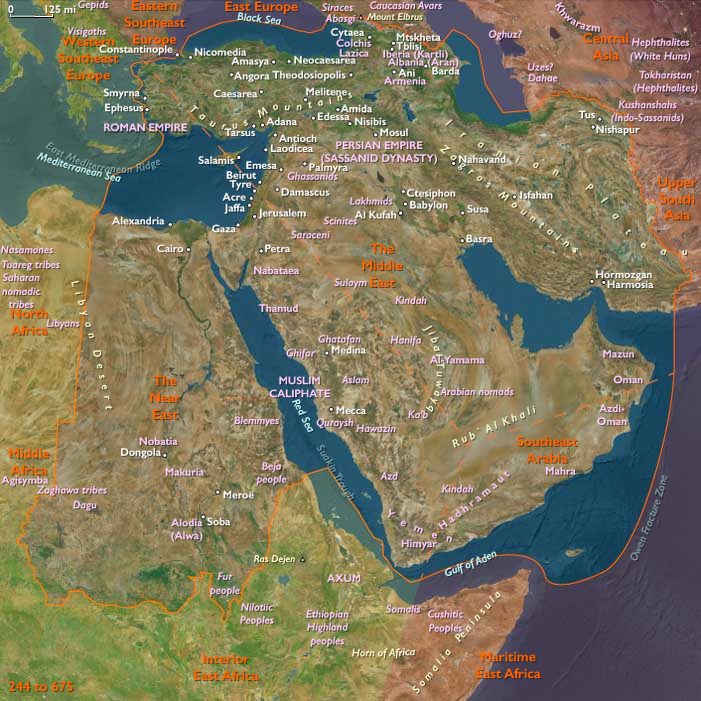
A prominent general in his youth, Maurice fights with success against the Sassanid Persians.
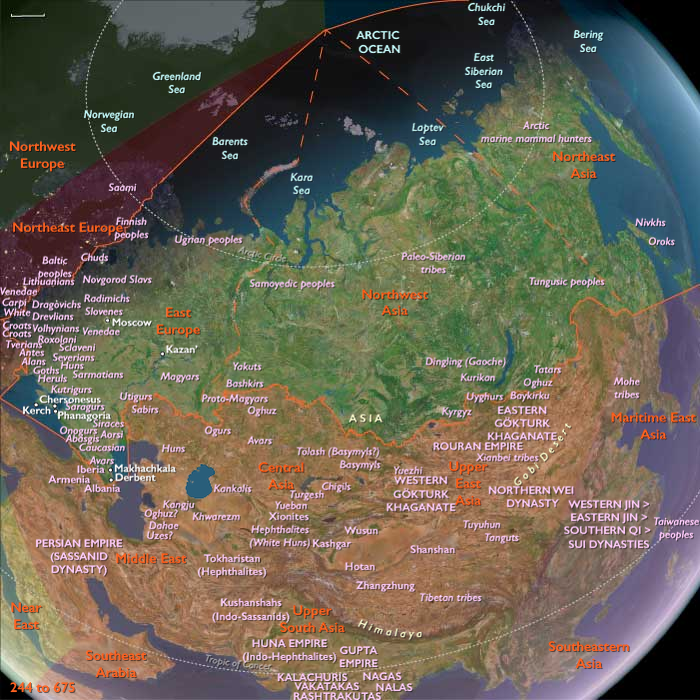
Once he becomes Emperor, he brings the war with Persia to a victorious conclusion: expanding the eastern frontier dramatically and marrying his daughter to Khosrau II, the Persian king.
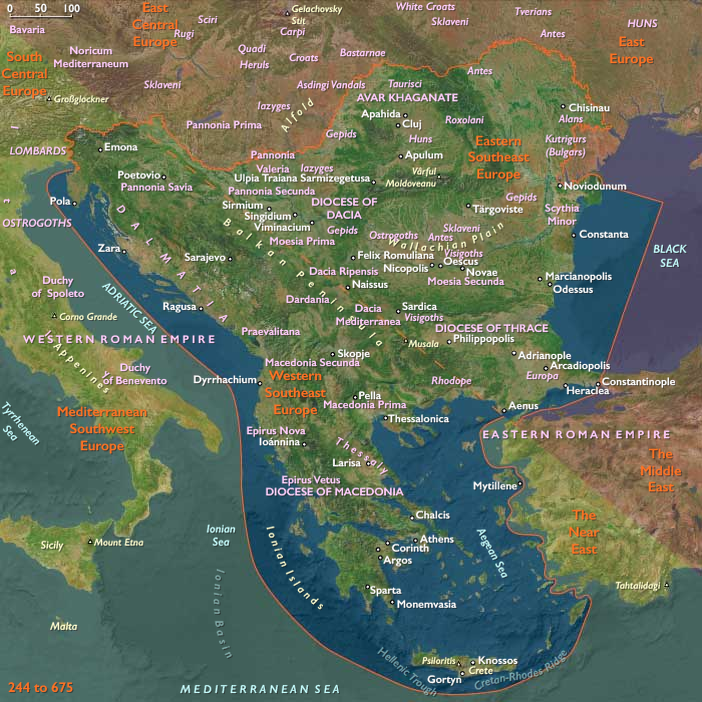
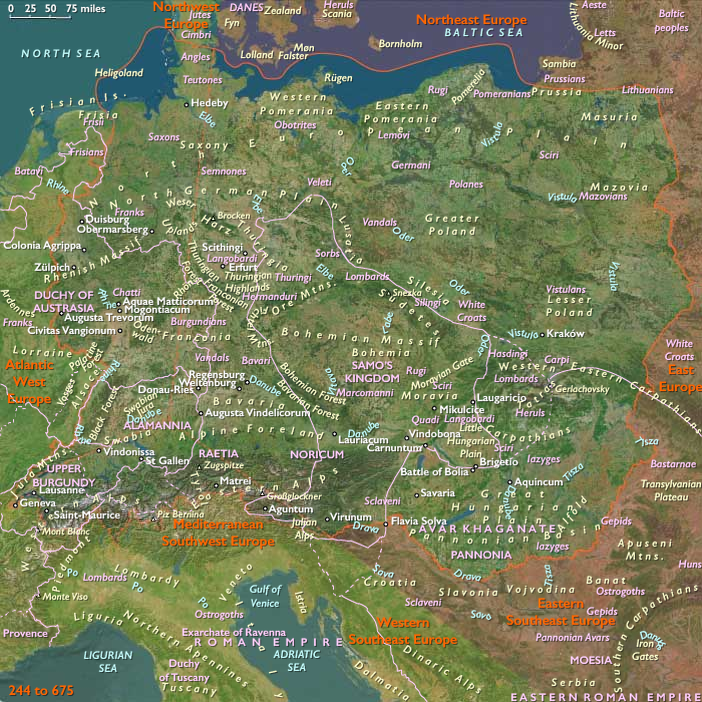
Maurice also campaigns extensively in the Balkans against the Avars - pushing them back across the Danube by 599.
He also conducts campaigns across the Danube, the first Emperor to do so in over two hundred years.
In the West, Maurice establishes two large semi-autonomous provinces called exarchates, ruled by exarchs, viceroys, of the emperor.
In Italy, Maurice establishes the Exarchate of Ravenna in 584, the first real effort by the Empire to halt the advance of the Lombards.
With the creation of the Exarchate of Africa in 590, Maurice further solidifies the empire's hold on the western Mediterranean.
His reign is troubled by financial difficulties and almost constant warfare.
In 602, a dissatisfied general named Phocas usurps the throne, having Maurice and his six sons executed.
This event will prove cataclysmic for the Empire, sparking a devastating war with Persia that will leave both empires helpless in the wake of the Muslim invasions.
His reign is a relatively accurately documented era of Late Antiquity; in particular by the historian Theophylact Simocatta.
Maurice also authored the Strategikon, a manual of war which influenced European militaries for nearly a millennium.
Maurice stands out as one of the last Emperors whose Empire still bore a strong resemblance to the Roman Empire of previous centuries.