Mary Shelley
English novelist, short story writer, dramatist, essayist, biographer, and travel writer
Years: 1797 - 1851
Mary Shelley (née Mary Wollstonecraft Godwin; 30 August 1797 – 1 February 1851) is an English novelist, short story writer, dramatist, essayist, biographer, and travel writer, best known for her Gothic novel Frankenstein: or, The Modern Prometheus (1818).
She also edits and promotedshe works of her husband, the Romantic poet and philosopher Percy Bysshe Shelley.
Her father is the political philosopher William Godwin, and her mother is the philosopher and feminist Mary Wollstonecraft.
Mary Godwin's mother dies when she is eleven days old; afterwards, she and her older half-sister, Fanny Imlay, are raised by her father.
When Mary is four, Godwin marries his neighbor, Mary Jane Clairmont.
Godwin provides his daughter with a rich, if informal, education, encouraging her to adhere to his liberal political theories.
In 1814, Mary Godwin begins a romantic relationship with one of her father’s political followers, the married Percy Bysshe Shelley.
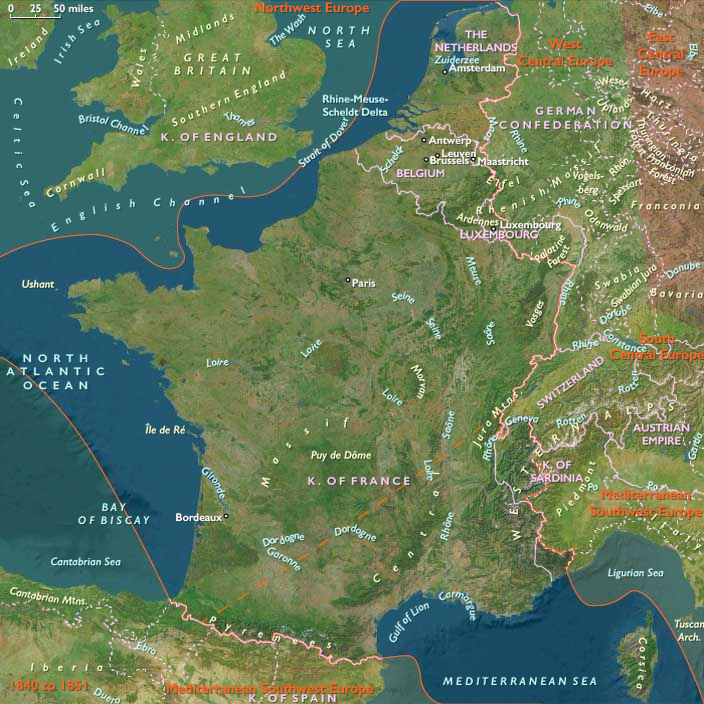
Together with Mary's stepsister, Claire Clairmont, they leave for France and travel through Europe; upon their return to England, Mary is pregnant with Percy's child.
Over the next two years, she and Percy face ostracism, constant debt, and the death of their prematurely born daughter.
They marry in late 1816 after the suicide of Percy Shelley's first wife, Harriet.
In 1816, the couple famously spends a summer with Lord Byron, John William Polidori, and Claire Clairmont near Geneva, Switzerland, where Mary conceives the idea for her novel Frankenstein.
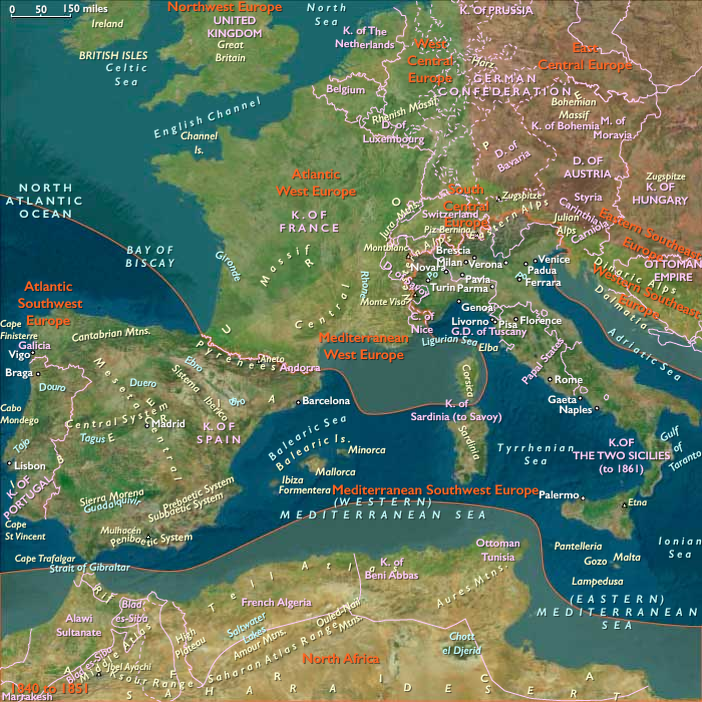
The Shelleys leave Britain in 1818 for Italy, where their second and third children die before Mary Shelley gives birth to her last and only surviving child, Percy Florence.
In 1822, her husband drowns when his sailing boat sinks during a storm in the Bay of La Spezia.
A year later, Mary Shelley returns to England and from this point forward devotes herself to the upbringing of her son and a career as a professional author.
The last decade of her life is dogged by illness, probably caused by the brain tumor that is to kill her at the age of 53.
Until the 1970s, Mary Shelley was known mainly for her efforts to publish Percy Shelley's works and for her novel Frankenstein, which remains widely read and has inspired many theatrical and film adaptations.
Recent scholarship has yielded a more comprehensive view of Mary Shelley’s achievements.
Scholars have shown increasing interest in her literary output, particularly in her novels, which include the historical novels Valperga (1823) and Perkin Warbeck (1830), the apocalyptic novel The Last Man (1826), and her final two novels, Lodore (1835) and Falkner (1837).
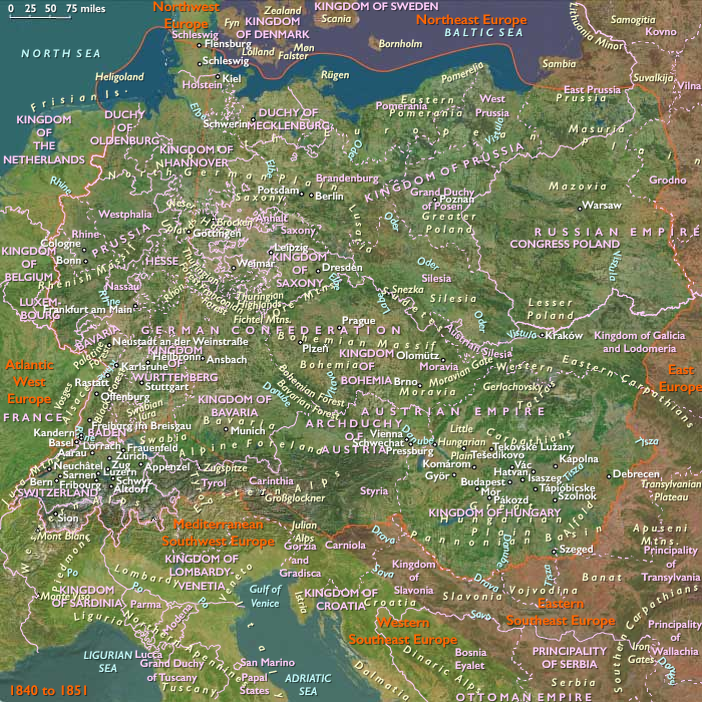
Studies of her lesser-known works such as the travel book Rambles in Germany and Italy (1844) and the biographical articles for Dionysius Lardner's Cabinet Cyclopaedia (1829–46) support the growing view that Mary Shelley remained a political radical throughout her life.
Mary Shelley's works often argue that cooperation and sympathy, particularly as practiced by women in the family, were the ways to reform civil society.
This view was a direct challenge to the individualistic Romantic ethos promoted by Percy Shelley and the Enlightenment political theories articulated by her father, William Godwin.