Maria Theresa
Empress consort of the Holy Roman Empire; Queen consort of Germany
Years: 1717 - 1780
Maria Theresa Walburga Amalia Christina (13 May 1717 – 29 November 1780) is the only female ruler of the Habsburg dominions and the last of the House of Habsburg.
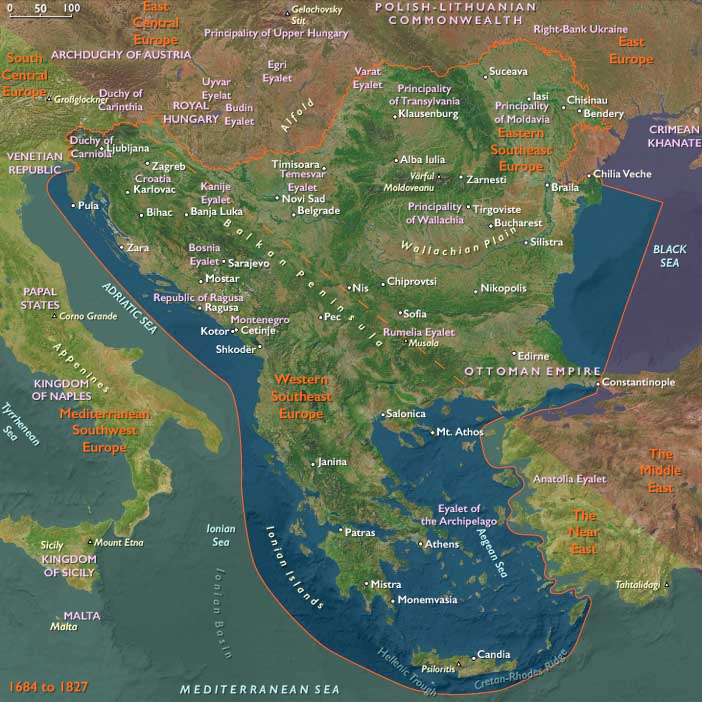
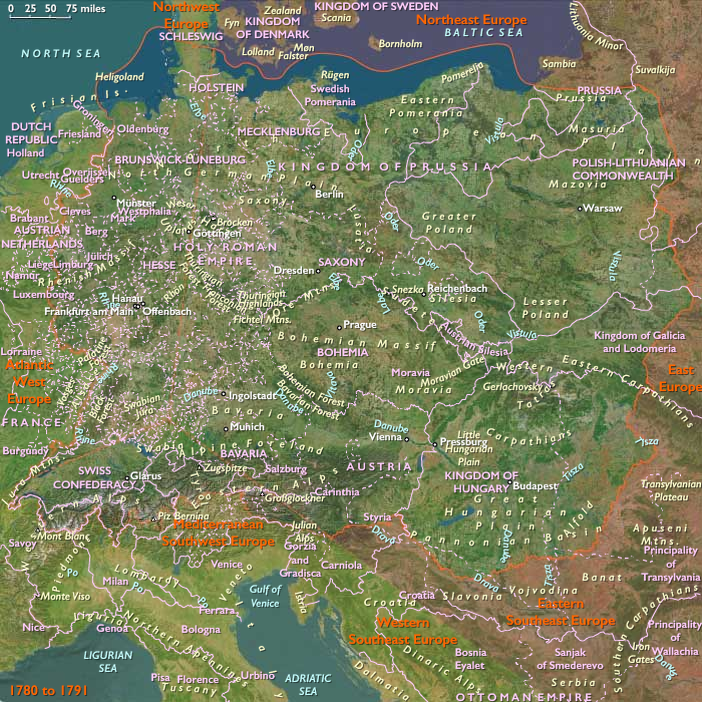
She is the sovereign of Austria, Hungary, Croatia, Bohemia, Mantua, Milan, Lodomeria and Galicia, the Austrian Netherlands and Parma.
By marriage, she is Duchess of Lorraine, Grand Duchess of Tuscany and Holy Roman Empress.
She begins her 40-year reign when her father, Emperor Charles VI, dies in October 1740.
Charles VI had paved the way for her accession with the Pragmatic Sanction of 1713 and spent his entire reign securing it.
Upon the death of her father, Saxony, Prussia, Bavaria and France repudiate the sanction they had recognized during his lifetime.
Prussia proceeds to invade the affluent Habsburg province of Silesia, sparking a nine-year conflict known as the War of the Austrian Succession.
Maria Theresa will later unsuccessfully try to reconquer Silesia during the Seven Years' War.
She marries Francis Stephen of Lorraine and has sixteen children, including Queen Marie Antoinette of France, Queen Maria Carolina of Naples, Duchess Maria Amalia of Parma and two Holy Roman Emperors, Joseph II and Leopold II.
Though she is expected to cede power to Francis and Joseph, both of whom are officially her co-rulers in Austria and Bohemia, Maria Theresa is the absolute sovereign who rules by the counsel of her advisers.
She criticizes and disapproves of many of Joseph's actions.
Although she is considered to have been intellectually inferior to both Joseph and Leopold, Maria Theresa understands the importance of her public persona and is able to simultaneously evoke both esteem and affection from her subjects.
Maria Theresa promulgates financial and educational reforms, with the assistance of Count Friedrich Wilhelm von Haugwitz and Gottfried van Swieten, promotes commerce and the development of agriculture, and reorganizes Austria's ramshackle military, all of which strengthen Austria's international standing.
However, she refuses to allow religious toleration and contemporary travelers think her regime is bigoted and superstitious.
As a young monarch who fights two dynastic wars, she believes that her cause should be the cause of her subjects, but in her later years she will believe that their cause must be hers.