Manuel I Komnenos
Emperor of the Eastern Roman (Byzantine) Empire
Years: 1118 - 1180
Manuel I Komnenos (or Comnenus) (Greek: Μανουήλ Α' Κομνηνός, Manouēl I Komnēnos) (28 November 1118 – 24 September 1180) is a Byzantine Emperor of the 12th century who reigns over a crucial turning point in the history of Byzantium and the Mediterranean.
Eager to restore his empire to its past glories as the superpower of the Mediterranean world, Manuel pursues an energetic and ambitious foreign policy.
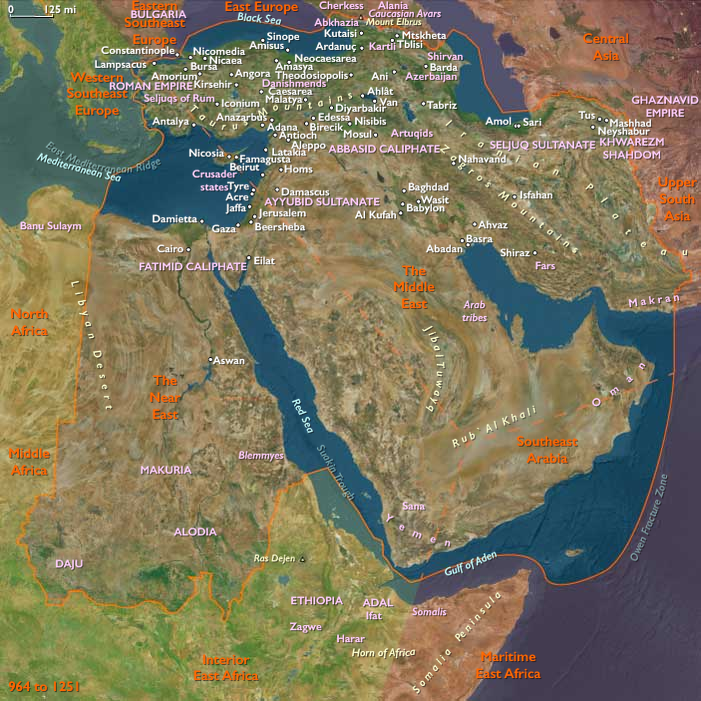
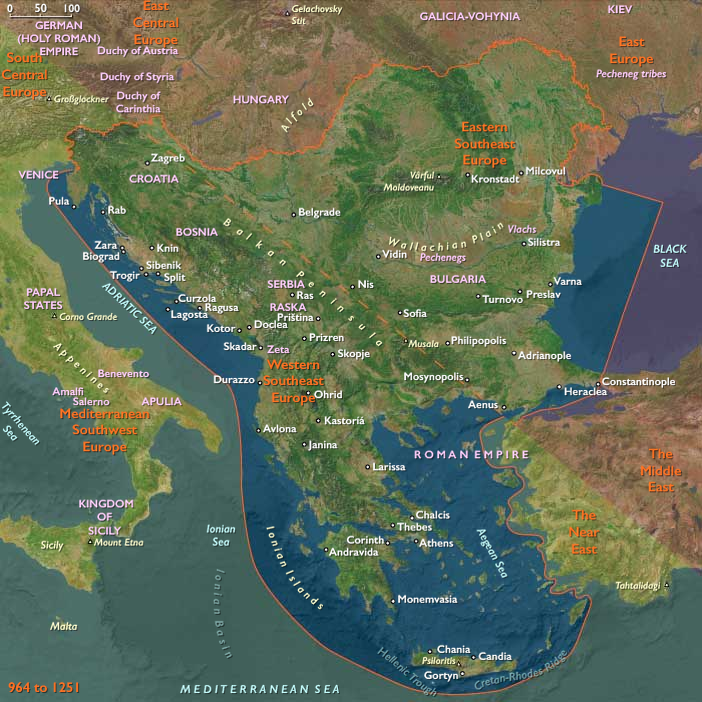
In the process he makes alliances with the Pope and the resurgent west, invades Italy, successfully handles the passage of the dangerous Second Crusade through his empire, and establishes a Byzantine protectorate over the Crusader states of Outremer.
Facing Muslim advances in the Holy Land, he makes common cause with the Kingdom of Jerusalem and participates in a combined invasion of Fatimid Egypt.
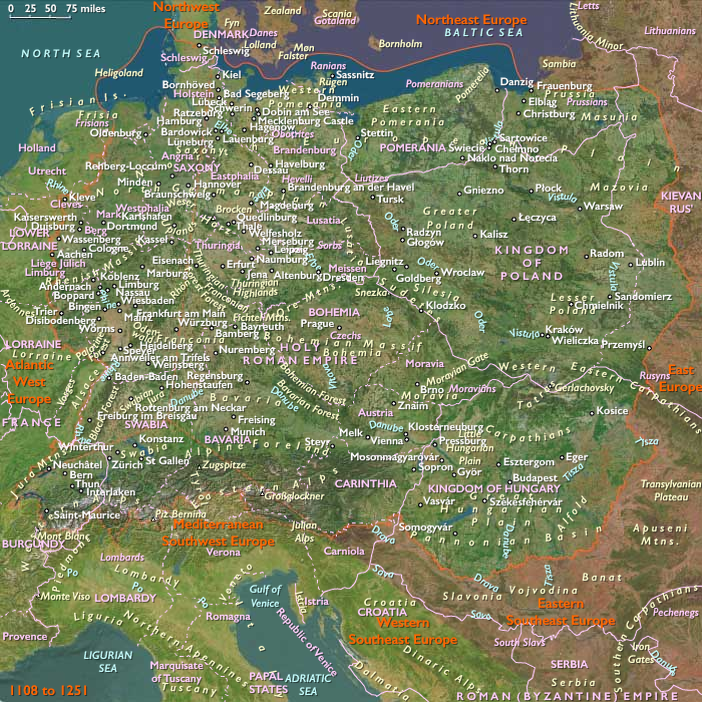
Manuel reshapes the political maps of the Balkans and the east Mediterranean, placing the kingdoms of Hungary and Outremer under Byzantine hegemony and campaigning aggressively against his neighbors both in the west and in the east.
However, towards the end of his reign Manuel's achievements in the east are compromised by a serious defeat at Myriokephalon, which in large part results from his arrogance in attacking a well-defended Seljuk position.
Called ho Megas (translated as "the Great") by the Greeks, Manuel is known to have inspired intense loyalty in those who served him.
He also appears as the hero of a history written by his secretary, John Kinnamos, in which every virtue is attributed to him.
odern historians, however, have been less enthusiastic about him.
Some of them assert that the great power he wielded was not his own personal achievement, but that of the dynasty he represented; they also argue that, since Byzantine imperial power declined catastrophically after Manuel's death, it is only natural to look for the causes of this decline in his reign.