Many of those in a position of power, who had not yet taken a clear side, now choose to support Sulla.
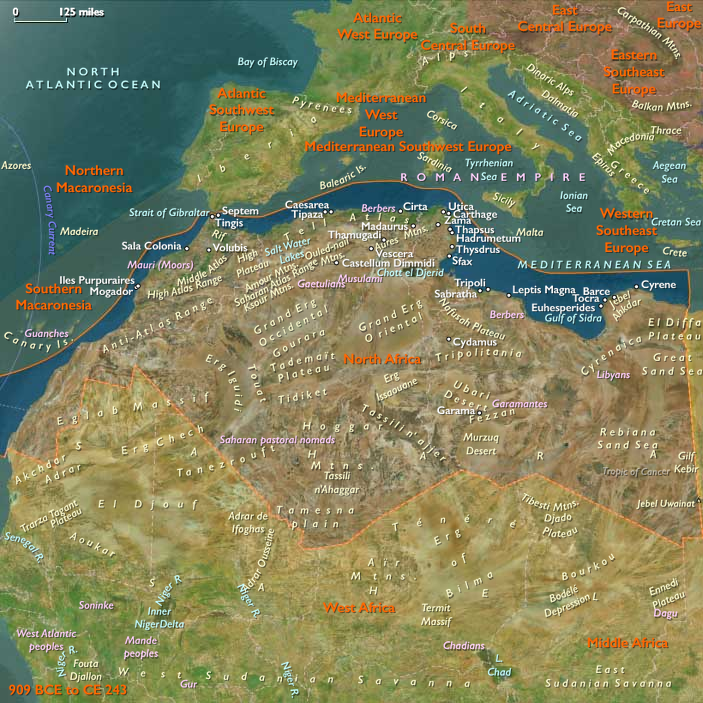
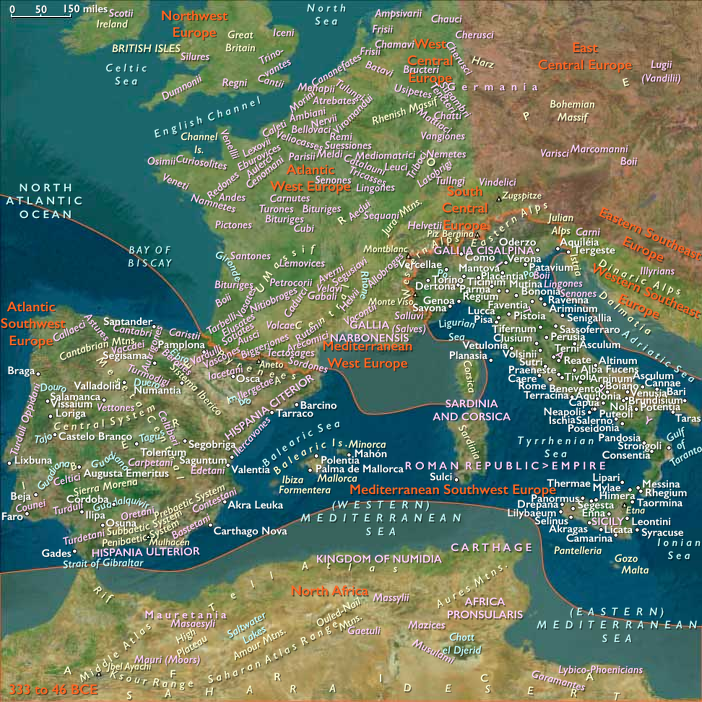
The first of these is Q. Caecilius Metellus Pius, who governs Africa.
The old enemy of Marius, and assuredly of Cinna as well, leads an open revolt against the Marian forces in Africa.
Additional help comes from Picenum and Spain.
Two of the three future triumvirs join Sulla's cause in his bid to take control.
Marcus Licinius Crassus, who had been forced by Cinna's proscription to flee to Hispania in 84, following two years of exile, marches to Rome with an army, his chief concern being the restoration of his family's prestige.
The young son of Pompeius Strabo (the butcher of Asculum during the Social War), raises an army of his own from among his father's veterans and throws his lot in with Sulla.
Pompey, at the age of twenty-three and never having held a Senatorial office, forces himself into the political scene with an army at his back.
Regardless, the war continues, with Asiagenus raising another army in defense.
This time he moves after Pompey, but once again, his army abandons him and goes over to the enemy.
As a result, desperation follows in Rome as the year 83 comes to a close.
The Senate reelects Cinna's old co-Consul, Papirius Carbo, to his third term, and Gaius Marius the Younger, the twenty-six-year-old son of the great general, to his first.
Hoping to inspire Marian supporters throughout the Roman world, recruiting begins in earnest among the Italian tribes who had always been loyal to Marius.
In addition, possible Sullan supporters are murdered.
The urban praetor L. Junius Brutus Damasippus leads a slaughter of those Senators who seem to lean towards the invading forces, yet one more incident of murder in a growing spiral of violence as a political tool in the late Republic.