Near East (573–562 BCE): Diplomatic Realignments and Power Shifts
Naukratis and Greek Influence in Egypt
The Ionian city of Miletus had earlier founded Naukratis, a prominent Greek settlement in Egypt’s Nile Delta. By this period, Greeks from various city-states have also settled here, creating a dynamic cultural and commercial hub. As an emporion, or exclusive trading station, Naukratis becomes a pivotal center for Greek-Egyptian interactions, significantly influencing cultural relations in the pre-Hellenistic Mediterranean. To manage Greek influence more carefully, Egyptian Pharaoh Amasis II (reigned 570–526 BCE) confines all Greek merchants to Naukratis, southwest of his capital, strengthening Egyptian control over foreign trade.
Turmoil and Diplomacy in Cyrene
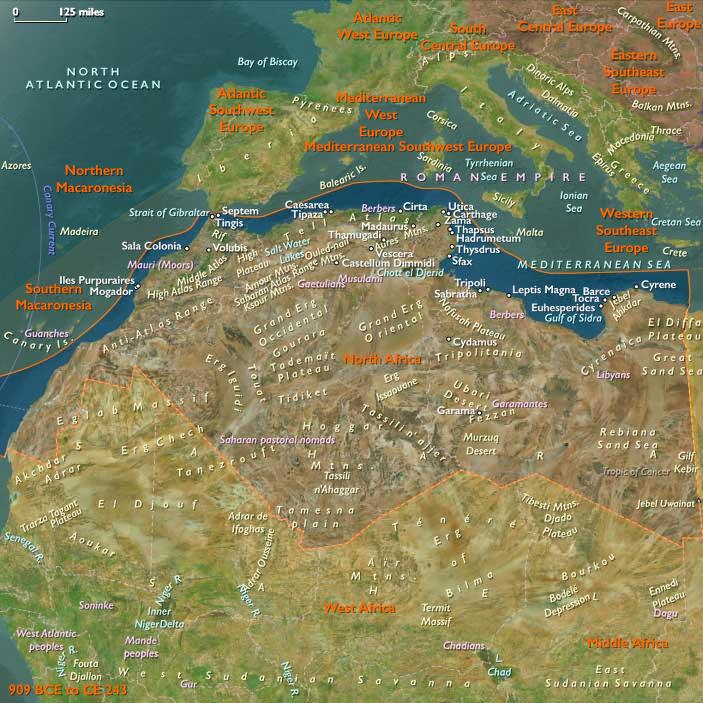
In neighboring Libya, the prosperous Greek colony of Cyrene sees its harmonious Greek-Libyan relations disrupted around 570 BCE due to increased immigration of Greek settlers and internal factional disputes under King Battus III. Conflict escalates, resulting in Cyrene repulsing an Egyptian invasion around the same year. However, this hostility transitions into diplomacy: Pharaoh Amasis II successfully forges an alliance with Cyrene by marrying Ladice, daughter of King Battus, consolidating Egyptian influence and mitigating tensions along Egypt’s western border.
Amasis II’s Rise and Egypt’s Resurgence
Previously a victorious Egyptian general under Pharaoh Psamtik II, Amasis II ascends the throne following a rebellion against Pharaoh Apries (Wahibre), who had disastrously mismanaged conflicts in Libya and internal military tensions. In 570 BCE, Egyptian native soldiers, suspecting betrayal by Apries, rally around Amasis. Following Apries’ defeat and exile, he returns with Babylonian support in 567 BCE but is likely killed in battle against Amasis’ forces. To legitimize his reign further, Amasis marries Apries’ daughter, Chedebnitjerbone II, becoming Egypt's uncontested ruler.
Egypt’s Mediterranean Ambitions and Greek Alliances
Under Amasis, Egypt asserts control over Cyprus around 570 BCE, with the island’s kingdoms formally recognizing him as their overlord. Cypriot art and statuary from this period frequently mirror Egyptian conventions, showcasing Egypt’s wide cultural influence. Amasis diligently cultivates strong alliances within the Greek world, making significant diplomatic gestures, including financial support for the reconstruction of the temple at Delphi. His friendly relations extend notably to Polycrates, tyrant of Samos, and to Croesus, the wealthy king of Lydia.
Nebuchadnezzar II and Babylonian Constraints
Meanwhile, Babylon, under King Nebuchadnezzar II, attempts to challenge Egyptian ascendancy. In the fourth year of Amasis’ reign (ca. 567 BCE), Nebuchadnezzar leads a military campaign against Egypt. This assault fails, forcing the Babylonians to retreat and redirect their energies to stabilizing their vast empire. The unsuccessful invasion underscores Egypt’s resilience and the limitations of Babylonian military capabilities at the empire's farthest reaches.
Edomite and Nabataean Movements in Jordan
The weakening of Judah following the Babylonian captivity provides a political vacuum in the region now known as Jordan. As Edomites increasingly relocate into southern Palestine—where they will later become known as Idumaeans in Roman times—an Arabian people, the Nabataeans, begin moving into traditional Edomite territory. Nabataean inscriptions gradually appear, signaling shifting settlement patterns and foreshadowing the rise of Nabataea as a regional power.
Legacy of the Era
This era notably represents a significant diplomatic and cultural reshuffling in the Near East. Egypt under Amasis II experiences heightened prosperity, expanded regional dominance, and increased integration with the Greek world. Meanwhile, Babylonia, despite its vast territorial holdings, encounters strategic limitations. The dynamics between Greek colonies, local powers, and major empires underline a complex geopolitical landscape that sets the stage for subsequent historical developments.