Kyansittha
king of Burma
Years: 1030 - 1112
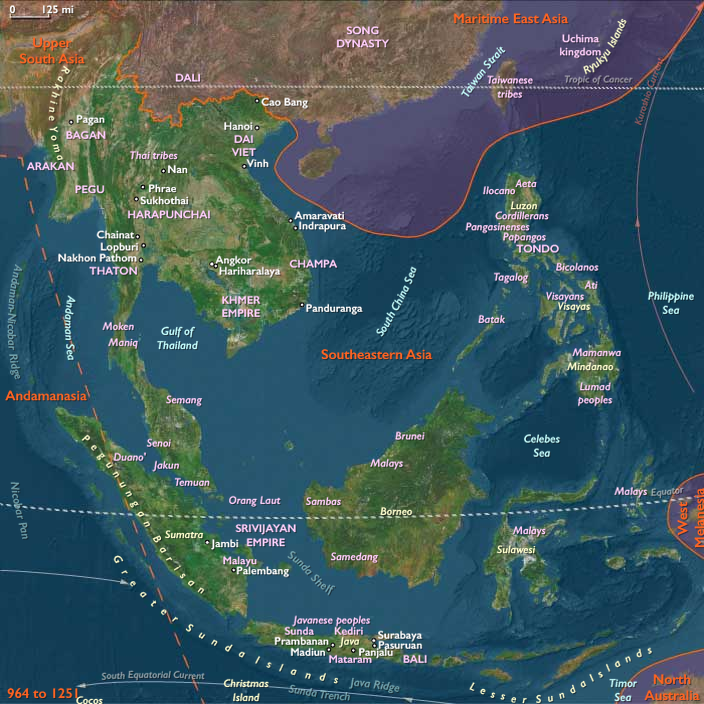
Kyansittha (also Kyanzittha; 1030 – 1112) was king of Pagan dynasty of Burma (Myanmar) from 1084 to 1112, and is considered one of the greatest Burmese monarchs.
He continues the social, economic and cultural reforms begun by his father, King Anawrahta.
Pagan becomes an internationally recognized power during his 28-year reign.
The Burmese language and culture continue to gain ground.
In his early life, Kyansittha is a popular and successful general who leads Anawrahta's major military campaigns that found the Pagan Empire.
He is exiled twice in the 1070s and 1080s for his affair with Queen Manisanda.
Kyansittha ascends to the Pagan throne in 1084 after suppressing a major Mon rebellion that kills King Sawlu.
His reign is largely peaceful.
A great admirer of Mon culture, he pursues a conciliatory policy towards the Mon of the south, and continues the patronage of Mon language and culture at his court.
It is in his reign that the synthesis of Burman, Mon, Pyu and Buddhist practices into a Burmese cultural tradition begins to reach a level of maturity.
The Burmese script begins to be used alongside Pyu, Mon, and Pali.
A peaceful Pagan grows wealthy from agriculture and trade, and large scale temple building begins in earnest.
Kyansittha completes Anawrahta's Shwezigon Pagoda and builds his crowning achievement, the Ananda Temple.
Pagan becomes a major center of Buddhist learning.
Theravada Buddhism continues to gain ground although many Ari, Mahayana and Hindu practices continue to pervade.
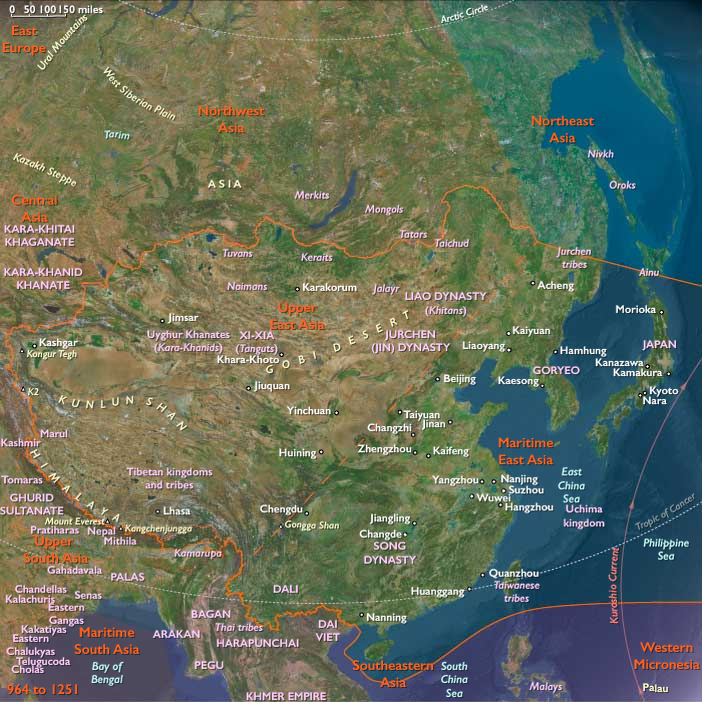
Pagan emerges a major power alongside the Khmer Empire in Southeast Asia, recognized as a sovereign kingdom by the Chinese Song Dynasty, and Indian Chola dynasty.
Kyansittha is one of the most famous monarchs in Burmese history.
His life stories and exploits are still retold in Burmese literature, theater, and cinema.