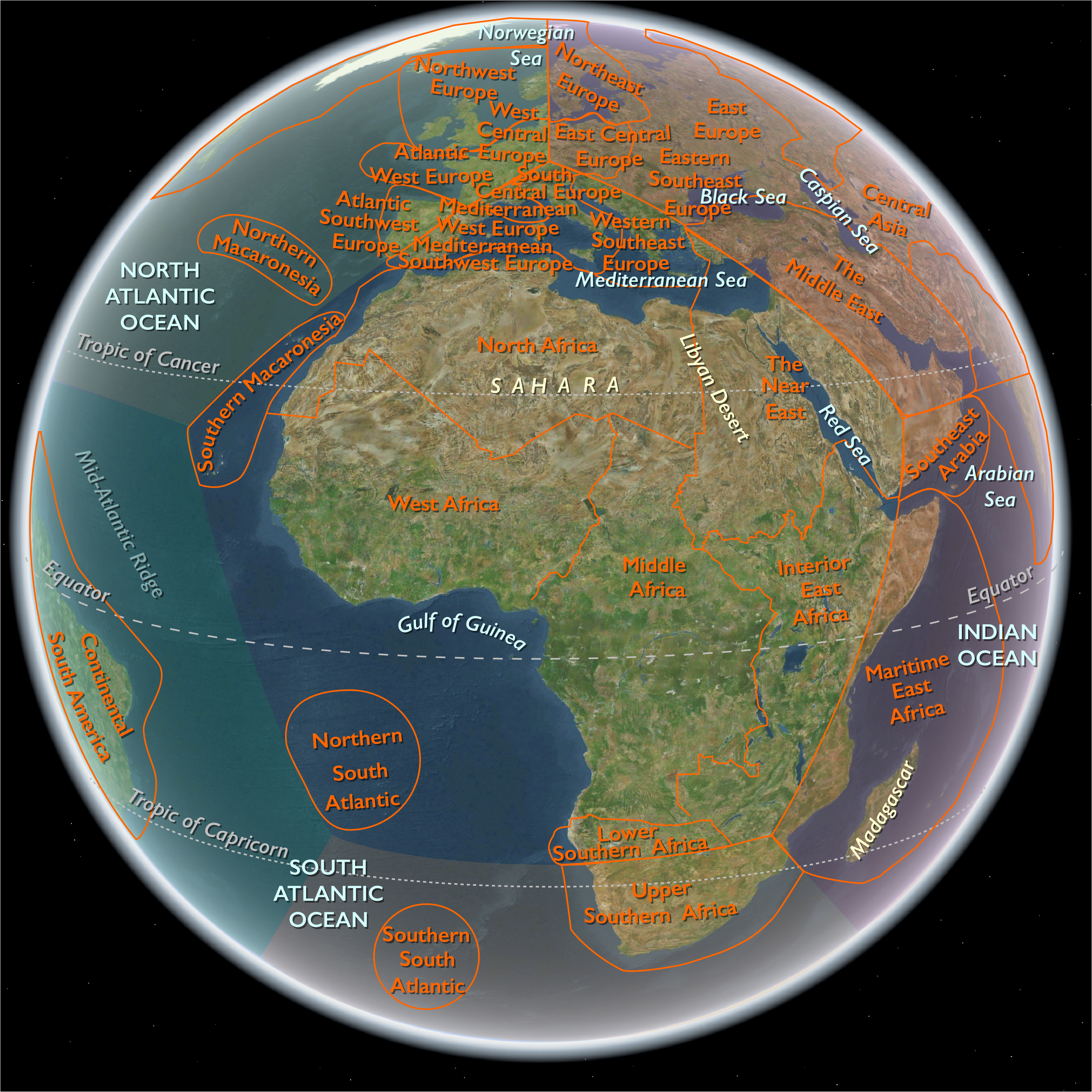
The Near East, 1924 to 1935 CE: Nationalism, Economic Change, and Colonial Tensions
Egyptian Politics and Nationalist Struggles
Political dynamics in Egypt during this era center around three major forces: the British colonial presence, the Egyptian monarchy, and the nationalist Wafd Party. The British maintain overwhelming influence through military occupation and strategic administrative positions, while the monarchy retains substantial constitutional power, particularly under the increasingly assertive rule of King Fuad I. The Wafd Party, deeply popular among Egyptians, consistently challenges both the British and the monarchy, advocating parliamentary democracy and full independence.
Ismail Sidky emerges prominently as a major opponent of the Wafd. In 1930, Sidky abolishes Egypt’s liberal constitution and replaces it with one significantly enhancing royal authority, subsequently founding his own political organization, Al Hizb ash Shaab (People's Party), which merges with the Ittihad Party in 1938. Internal divisions within the Wafd itself lead dissidents to establish the Saadist Party in 1938, named in honor of nationalist leader Saad Zaghlul.
Economic Developments in Sudan
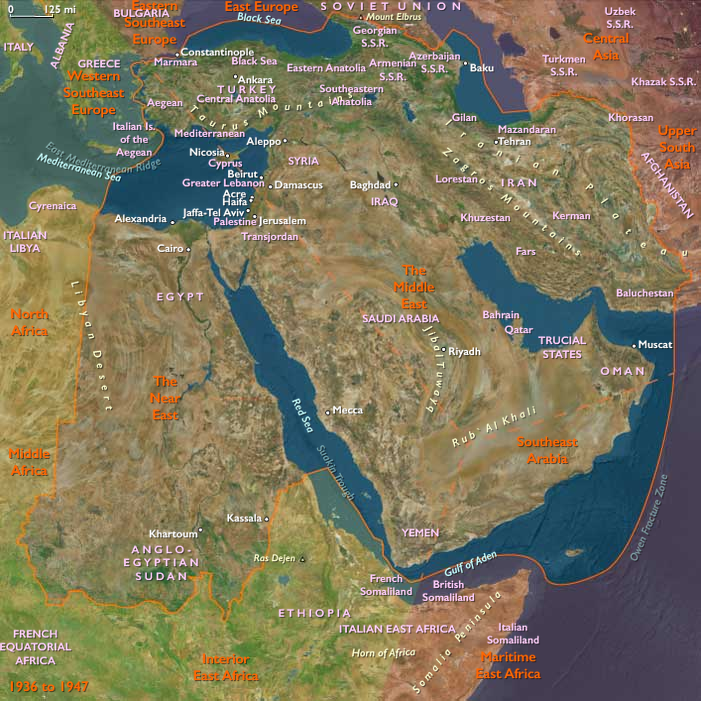
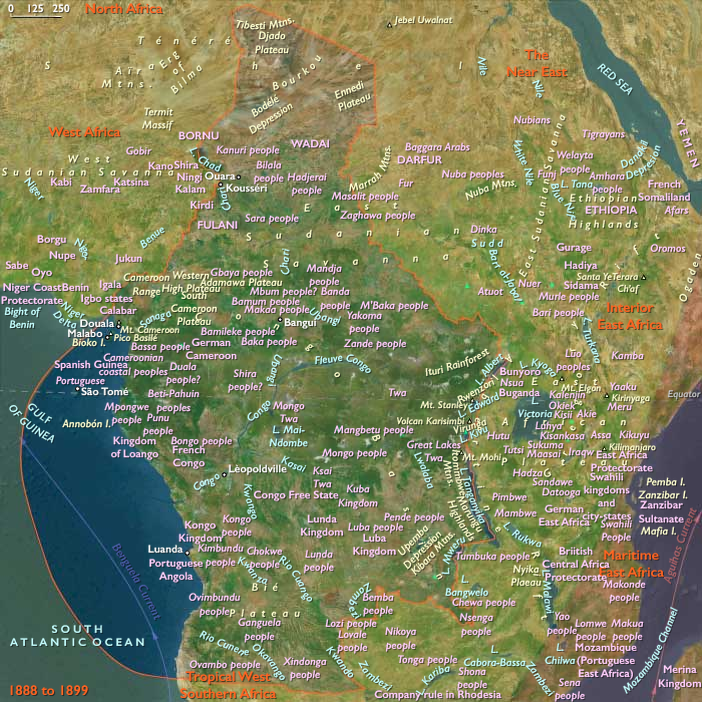
Under Anglo-Egyptian colonial rule, economic activity in Sudan intensifies notably through the Gezira Scheme, launched by the Sudanese government and the private Sudan Plantations Syndicate. This initiative, significantly expanded by the completion of an irrigation dam near Sennar in 1925, transforms Al Jazirah into a vital cotton-producing region supplying Britain's textile industry. The scheme brings widespread economic change and dense population growth to this formerly sparsely populated region, reinforcing British economic interests in the area.
British Administration and Nationalist Movements in Sudan
British colonial governance in Sudan relies heavily on a system of indirect rule, empowering local tribal sheikhs and chiefs to administer under British supervision. This policy proves controversial: supported by the Ansar, followers of the Mahdi, who benefit from local authority positions, yet strongly opposed by nationalists and members of the Khatmiyyah order. Sudanese nationalism grows significantly post-World War I, driven largely by educated elites advocating centralized governance and resisting British efforts at decentralization.
A key figure in this early nationalist movement is Ali Abd al Latif, a Muslim Dinka former army officer who leads the White Flag League, advocating independence and central governance. Following the assassination of Sir Lee Stack, Governor-General of Sudan, in 1924, Abd al Latif's subsequent arrest triggers significant nationalist unrest and a mutiny in the Sudanese army, although these are quickly suppressed by British forces. Britain's response to the crisis includes the removal of Egyptian troops from Sudan and the establishment of the Sudan Defence Force (SDF) in 1925.
Rising Arab-Jewish Tensions and Zionist Developments
The Revisionist Zionist movement, led by Vladimir Jabotinsky, advocates explicitly for the establishment of a Jewish state beyond Palestine’s original territorial claims, particularly extending east of the Jordan River. Revisionist Zionists form influential organizations such as the Betar youth movement and ETZEL (National Military Organization), later instrumental in founding the Herut Party and its successor, the modern Likud Party.
During this period, Arab-Jewish tensions escalate dramatically due to increased Jewish immigration prompted by rising anti-Semitism and Nazi persecution in Europe. Large-scale violence erupts, notably during significant Arab-Jewish clashes in 1929 and again in 1935, leading to severe unrest and British efforts to tighten immigration controls. These clashes mark a deepening conflict in Palestine, foreshadowing decades of future struggles.
Legacy of the Era: Roots of Continuing Struggle
From 1924 to 1935, the Near East undergoes significant shifts driven by nationalist movements, colonial policies, and economic transformations. Britain's indirect rule and economic projects in Sudan solidify its colonial control while stoking nationalist opposition. In Egypt, the period sets the stage for prolonged political tensions among nationalist forces, the monarchy, and British colonial power. Palestine witnesses intensifying Arab-Jewish conflict fueled by growing Zionist ambitions and deepening regional divides, presaging enduring conflicts of identity, land, and independence that would shape the region for decades to come.