Karadjordje Petrović
Grand Vožd of Serbia
Years: 1752 - 1817
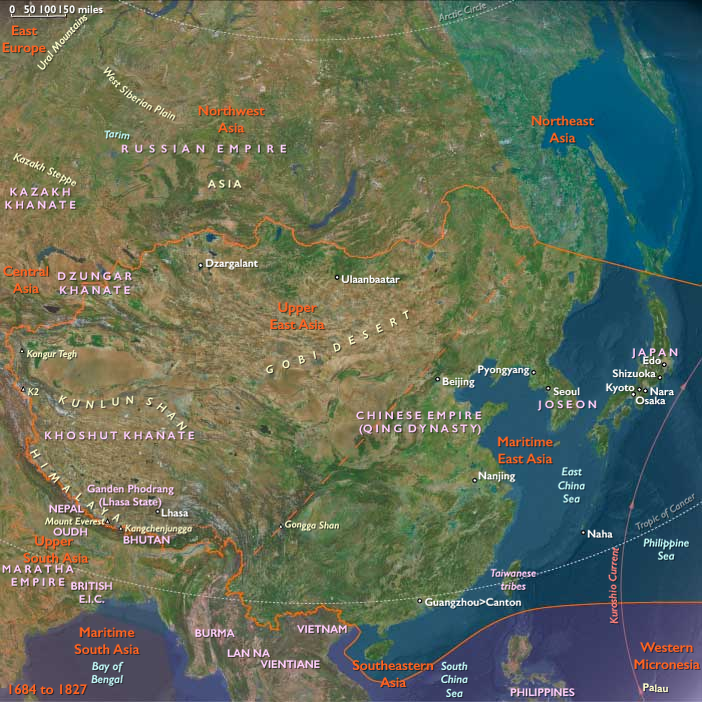
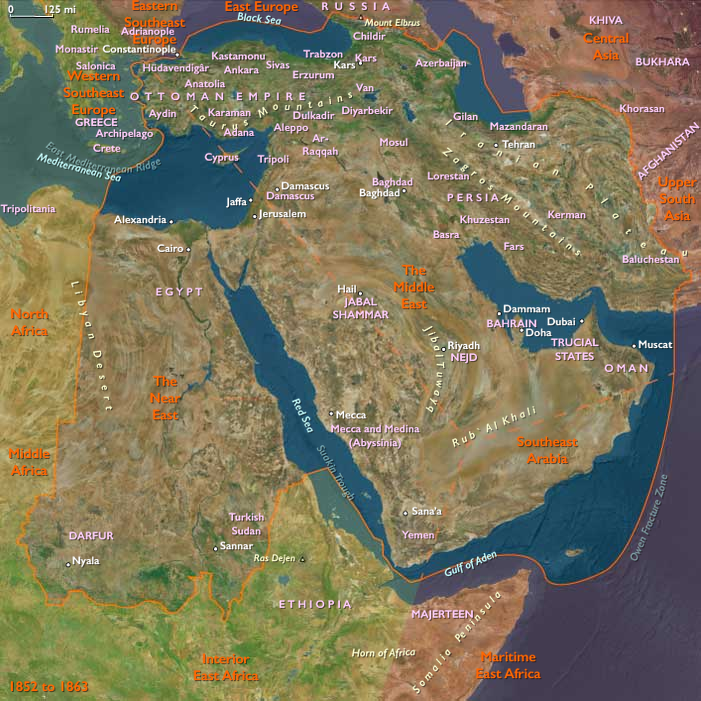
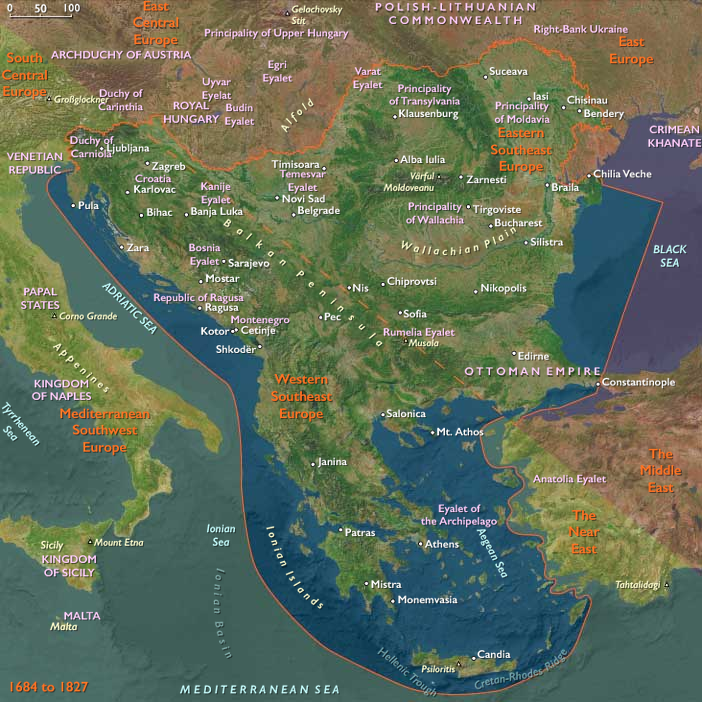
Đorđe Petrović OSA (Anglicized: George Petrovich), known as Karađorđe (Black George; 3 November 1752 – 24 July 1817), is the founder of modern Serbia, as the elected leader of the First Serbian Uprising (part of the Serbian Revolution) that aims at liberating Serbia from the Ottoman Empire (1804–1813); he personally leads armies against the Ottomans in several battles, which results in a short-lived state that he administers Grand Leader (Veliki Vožd) from 14 February 1804 to 21 September 1813, alongside the newly found Narodna Skupština (People's Assembly) and Praviteljstvujušči Sovjet (Governing Council), simulating a wholly functional state government in wartime.
Born into a poor family in Šumadija, part of the Sanjak of Smederevo (modern central Serbia), George begins life as a servant for affluent Serbs and Turks, but after having killed a Turk, his family flees across the Sava into Syrmia, a Habsburg-controlled area.
He rises to prominence in the Austrian army, participating in the liberation of the sanjak, which results in the short-lived Kingdom of Serbia.
He receives a medal of honor for his efforts, and when the Austrian army is forced to retreat, and Šumadija is reoccupied by the Ottomans, he joins the Hajduks and commands a unit, fighting the Ottomans until 1794, when he returns to his family.
In the following years, the local janissaries grow stronger and seize the sanjak from the Sultan, imposing greater taxes and violence against the population.
As the janissaries fear the Sultan will assign the task of retaliation to the Serbs, they execute prominent Serbs in what will be known as the Slaughter of the knezes (1804).
Some 300 nobility assemble and elected Karageorge as leader; by the end of the year, the janissaries are defeated, and the Serbs are praised by the Sultan.
However, when the pasha arrives in Serbia to reestablish Ottoman governance, he is killed.
The struggle morphs into a widescale revolt, the First Serbian Uprising, in which several battles are successfully fought against the Ottomans; a government is established.
Karageorge is noted for abolishing feudalism.
Napoleon, his contemporary, glorifies Karageorge as "the Greatest General".
After the suppression of the rebels’ activities in 1813, Karageorge and other leaders go into exile.
In 1815 Miloš Obrenović, a fellow rebel leader, initiates the Second Serbian Uprising, which ends in 1817, when Obrenović signs a treaty with the Ottomans and becomes the Prince of Serbia.
Seeing a threat in the possible return of the popular Petrović, and in the Ottomans, who despise him and fear more fighting, Obrenović plans the assassination of Karageorge.
When Karageorge returns in 1817 to start yet another uprising, he is betrayed by a former friend and killed; his head is sent to Istanbul and Obrenović retains his leadership.
Karageorge is the founder of the House of Karageorgevic, the Serbian royal family, which will later be given the Serbian crown after the deposition of the rival House of Obrenović.