Julian the Apostate
63rd Emperor of the Roman
Years: 331 - 363
Julian the Apostate (Latin: Flavius Claudius Julianus Augustus; 331/332 – 26 June 363), commonly known as Julian, or also Julian the Philosopher, is Roman Emperor from 355 to 363 and a noted philosopher and Greek writer.
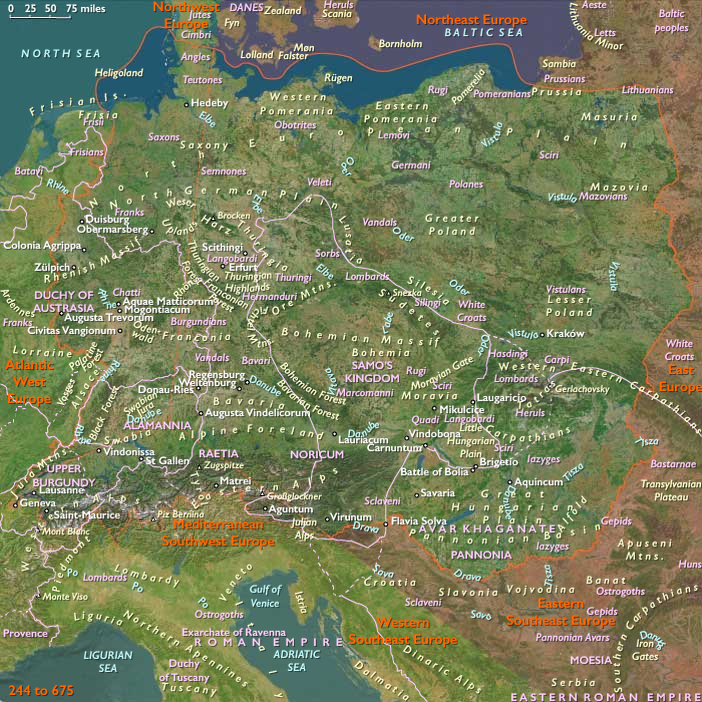
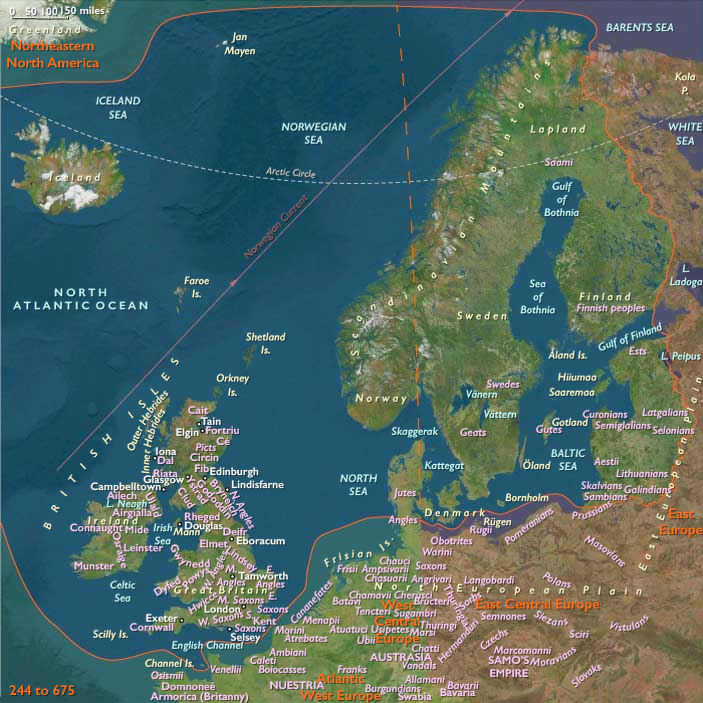
A member of the Constantinian dynasty, he is made Caesar over the western provinces, by Constantius II in 355, where he campaigns successfully against the Alamanni and Franks.
Most notable is his crushing victory over the Alamanni in 357 at the Battle of Argentoratum - despite being outnumbered.
In 360 he is acclaimed Augustus by his soldiers, sparking a civil war between Julian and Constantius.
However, Constantius dies before the two can face each other in battle, naming Julian as his rightful successor.
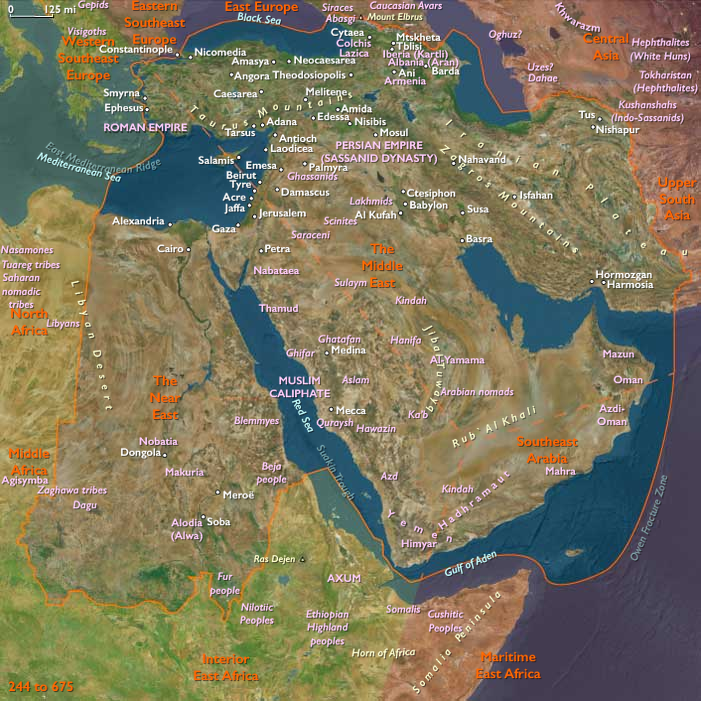
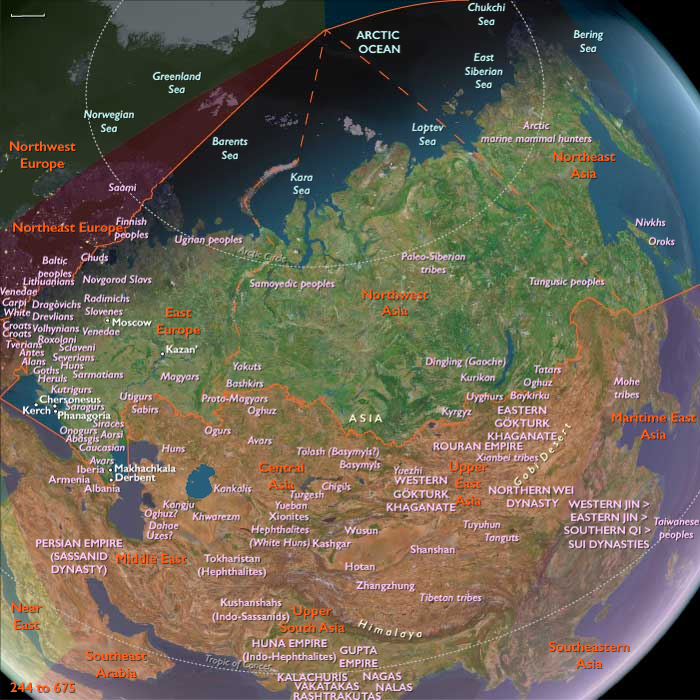
In 363, Julian embarks on an ambitious campaign against the Sassanid Empire.
Though initially successful, Julian is mortally wounded in battle and dies shortly after.
Julian was a man of unusually complex character.
He was the last non-Christian ruler of the Roman Empire and it was his desire to bring the Empire back to its ancient Roman values in order to save it from "dissolution".
He purged the top-heavy state bureaucracy and attempted to revive traditional Roman religious practices at the cost of Christianity.
His rejection of Christianity in favour of Neoplatonic paganism caused him to be called Julian the Apostate by the church.
Interestingly, he was also the last emperor of the Constantinian dynasty, the empire's first Christian dynasty.