Josip Broz Tito
1st President of Yugoslavia
Years: 1892 - 1980
Marshal Josip Broz Tito (born Josip Broz; May 7, 1892 – May 4, 1980) is the leader of the Yugoslav Partisans, Europe's most effective anti-Nazi resistance movement and a Yugoslav revolutionary and statesman, serving in various roles from 1945 until his death in 1980.
While his presidency has been criticized as authoritarian, Tito is seen by many as a benevolent dictator due to his successful economic and diplomatic policies and is a popular public figure both in Yugoslavia and abroad.
Viewed as a unifying symbol, his internal policies successfully maintain the peaceful coexistence of the nations of the Yugoslav federation.
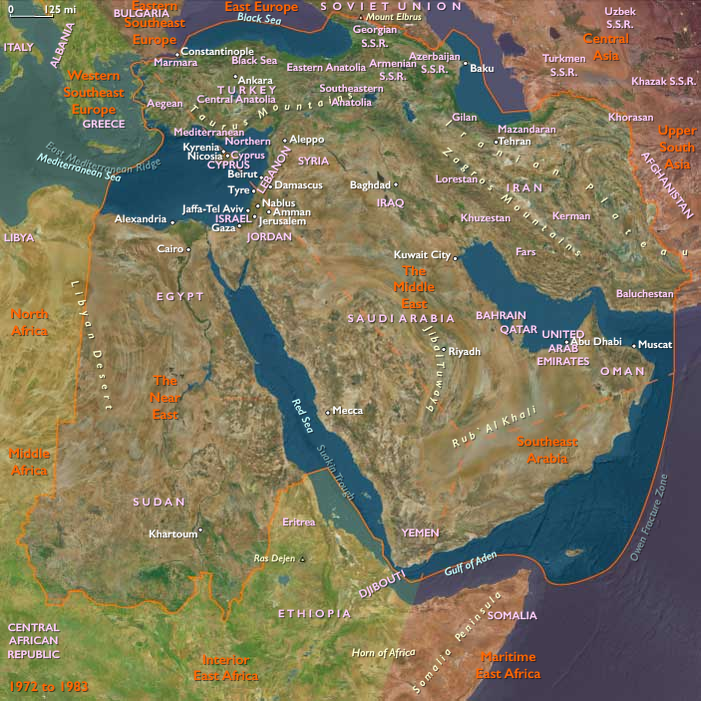
He gains international attention as the chief leader of the Non-Aligned Movement, working with Jawaharlal Nehru of India, Gamal Abdel Nasser of Egypt and Sukarno of Indonesia.
He is General Secretary (later Chairman of the Presidium) of the League of Communists of Yugoslavia (1939–80), and goes on to lead the Second World War Yugoslav guerrilla movement, the Partisans (1941–45).
After the war, he is the Prime Minister (1943–63), President (later President for Life) (1953–80) of the Socialist Federal Republic of Yugoslavia (SFRY).
From 1943 to his death in 1980, he holds the rank of Marshal of Yugoslavia, serving as the supreme commander of the Yugoslav military, the Yugoslav People's Army (JNA).
With a highly favorable reputation abroad in both Cold War blocs, Josip Broz Tito receives some 98 foreign decorations, including the Legion of Honour and the Order of the Bath.
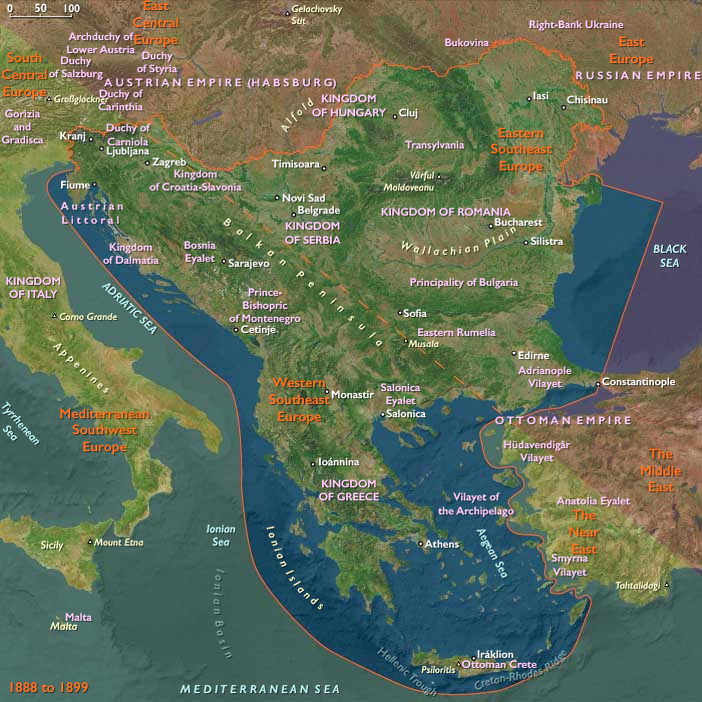
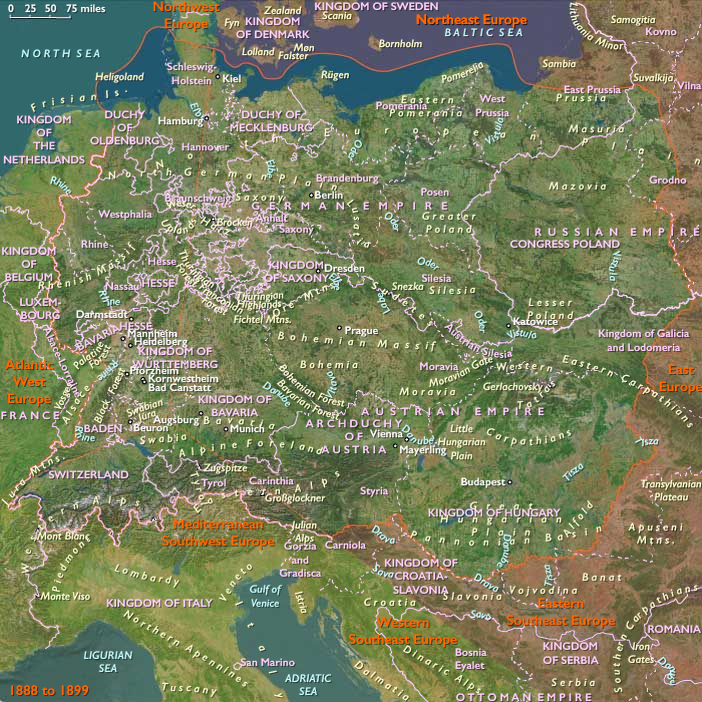
Josip was born as the seventh child to Croat father Franjo Broz and Slovene mother Marija Javoršek in the village of Kumrovec in Austria-Hungary.
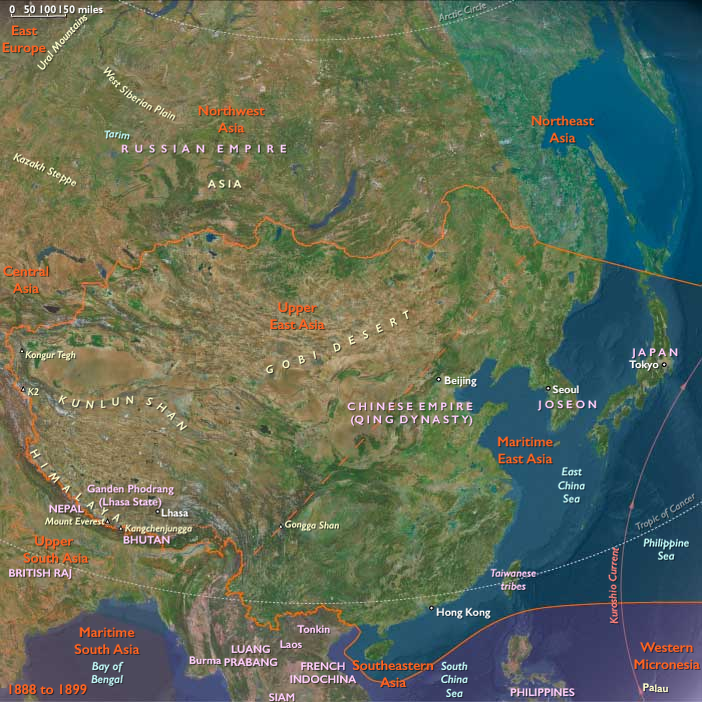
Drafted into military service, he distinguishes himself, becoming the youngest Sergeant Major in the Austro-Hungarian Army.After being seriously wounded and captured by the Imperial Russians during World War I, Josip is sent to a work camp in the Ural Mountains.
He participates in the October Revolution, and later joins a Red Guard unit in Omsk.
Upon his return home, Broz finds himself in the newly established Kingdom of Yugoslavia, where he joins the Communist Party of Yugoslavia (KPJ).
Tito is the chief architect of the second Yugoslavia, a socialist federation that lasts from 1943 to 1992 (though three out of six republics had declared independence in 1991).
Despite being one of the founders of Cominform, he is also the first (and the only successful) Cominform member to defy Soviet hegemony.
A backer of independent roads to socialism (sometimes referred to as, although incorrectly, "national communism" or more correctly "Titoism"), he is one of the main founders and promoters of the Non-Aligned Movement, and its first Secretary-General.
He supports the policy of nonalignment between the two hostile blocs in the Cold War.
Such successful diplomatic and economic policies allow Tito to preside over the Yugoslav economic boom and expansion of the 1960s and 1970s.
His internal policies include the suppression of nationalist sentiment and the promotion of the "brotherhood and unity" of the six Yugoslav nations.
After Tito's death in 1980, tensions between the Yugoslav republics emerge and in 1991 the country disintegrates and goes into a series of civil wars and unrest that lasts the rest of the decade and continues to impact most of the former Yugoslav republics to this day.
He remains a controversial figure in the former Yugoslavian republics.