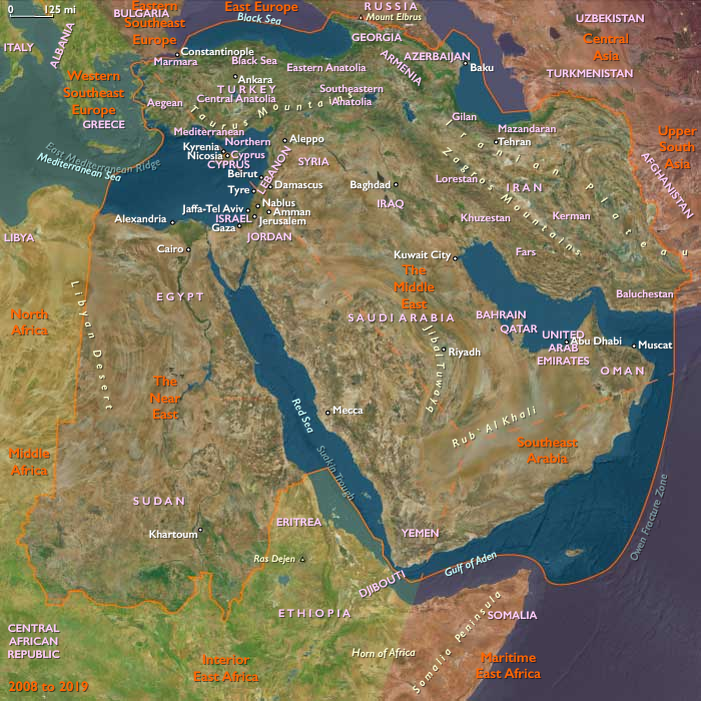
A conference between SSLM and Sudanese government delegations convenes at Addis Ababa, Ethiopia, in February 1972 after considerable consultation.
Initially, the two sides are far apart, the southerners demanding a federal state with a separate southern government and an army that will come under the federal president's command only in response to an external threat to Sudan.
Eventually, however, the two sides, with the help of Ethiopia's Emperor Haile Selassie, reach an agreement.
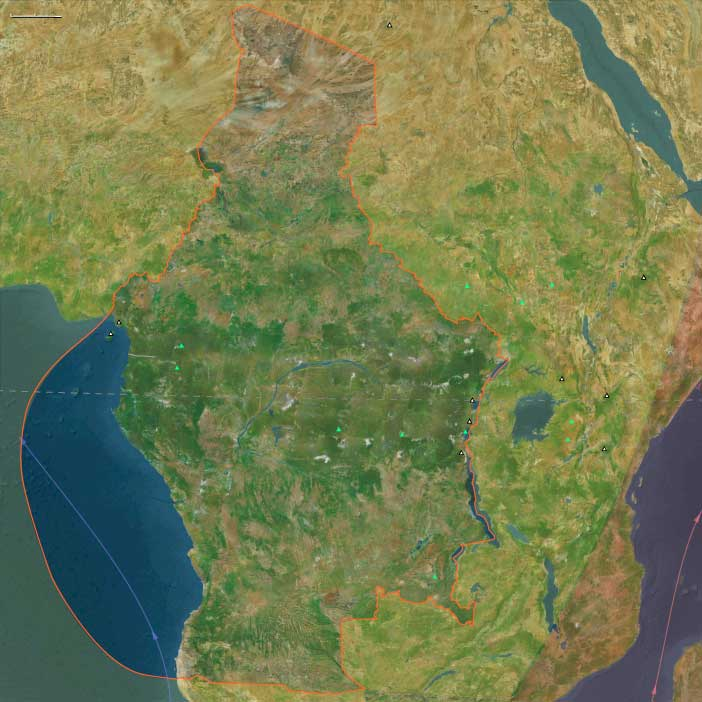
The Addis Ababa accords guarantee autonomy for a southern region—composed of the three provinces of Equatoria (present-day Al Istiwai), Bahr al Ghazal, and Upper Nile (present-day Aali an Nil)—under a regional president appointed by the national president on the recommendation of an elected Southern Regional Assembly.
The High Executive Council or cabinet named by the regional president will be responsible for all aspects of government in the region except such areas as defense, foreign affairs, currency and finance, economic and social planning, and interregional concerns, authority over which will be retained by the national government in which southerners will be represented.
Southerners, including qualified Anyanya veterans, will be incorporated into a twelve thousand-man southern command of the Sudanese army under equal numbers of northern and southern officers.
The accords also recognize Arabic as Sudan's official language, and English as the south's principal language, which will be used in administration and would be taught in the schools.
Although many SSLM leaders oppose the settlement, Joseph Lagu approves its terms and both sides agree to a cease-fire.
The national government issues a decree legalizing the agreement and creating an international armistice commission to ensure the well-being of returning southern refugees.
Khartoum also announces an amnesty, retroactive to 1955.
The two sides signed the Addis Ababa Agreement on March 27, 1972, which will hereafter be celebrated as National Unity Day.
View Event