John V of Portugal
King of Portugal and the Algarves
Years: 1689 - 1750
Dom João V (English: John V, October 22, 1689 – July 31, 1750), nicknamed "the Magnanimous", is King of Portugal and the Algarves.
He was born in Lisbon and succeeds his father Peter II in December 1706, and is proclaimed on January 1, 1707.
His father had long suffered from lack of heirs, and the relatively new royal house of Braganza was indeed on the verge of going extinct—the king had only one surviving (though sickly) daughter from his first marriage, John's half-sister Isabel Luisa, Princess of Beira.
However, after the death of his first wife, the old king remarried, and John's mother was able to produce eight more children, including John himself.
When John is born, he becomes Prince of Brazil as the king's heir-apparent, as well as the 11th Duke of Braganza.
Related Events
Filter results
Showing 10 events out of 10 total
João V of Portugal (r. 1706–1750): The Magnificent Reign of the Absolutist King
Ascending the throne at seventeen, João V (John V) of Portugal ruled as an energetic and lavish absolutist monarch, modeling his court after Louis XIV of France. His reign was marked by cultural flourishing, extravagant architectural projects, and economic policies supported by Brazil’s immense gold wealth.
The Wealth of Brazilian Gold and Absolutist Rule
- Gold from Brazil funded João V’s extravagant court and large-scale public works, allowing him to rule without needing to summon the Cortes (Portuguese Parliament).
- He centralized royal power, reinforcing absolutism in Portugal and asserting monarchical authority over the nobility and clergy.
Monumental Architectural and Cultural Patronage
-
The Royal Palace of Mafra (1717–1730s)
- Begun in 1717, the Palácio de Mafra was inspired by the Spanish Escorial, symbolizing João V’s ambitions and wealth.
- It included a basilica, monastery, library, and lavish decorations.
-
The University of Coimbra Library
- João V endowed the University of Coimbra with one of the most beautiful libraries in Europe, richly decorated in Baroque style.
-
Aqueduct of Free Waters (Aqueduto das Águas Livres)
- Constructed to provide Lisbon with fresh water, this engineering marvel demonstrated João V’s commitment to urban infrastructure.
-
Support for the Decorative Arts
- Under João V, Portugal saw a surge in artistic production, including:
- Furniture design.
- Clockmaking.
- Tapestry weaving.
- He encouraged the production of luxury goods, making Lisbon a cultural hub in Europe.
- Under João V, Portugal saw a surge in artistic production, including:
Economic and Mercantilist Policies
- João V pursued mercantilist policies to strengthen Portuguese industries and reduce dependence on imports.
- He protected indigenous industries, including:
- Papermaking at Lousã.
- Glassmaking at Marinha Grande.
- Textile weaving at Covilhã.
Intellectual and Literary Patronage
- João V subsidized major scholarly works, such as António Caetano de Sousa’s História Genealógica da Casa Real.
- His court became a center for intellectual activity, contributing to what is often called Portugal’s Second Renaissance.
Conclusion: João V’s Legacy of Grandeur and Cultural Revival
João V’s reign marked a golden age of absolutist rule and cultural flourishing in Portugal, fueled by Brazilian gold. His lavish architectural projects, promotion of the arts, and economic policies left a lasting impact on Portuguese identity and heritage. However, his extravagant spending also drained resources, contributing to economic difficulties in later years. Still, his reign remains one of the most magnificent periods in Portuguese history.
The Rise of Sebastião José de Carvalho e Melo, Marquis of Pombal (1750–1777)
With the death of João V in 1750, his indolent son, José I (r. 1750–1777), ascended the Portuguese throne. Rather than actively governing, José I entrusted full control of the state to Sebastião José de Carvalho e Melo, who would later become the Marquis of Pombal.
Carvalho, a shrewd and ambitious statesman, transformed Portugal from a rigid aristocratic society into a modernized, centralized state, using ruthless Enlightenment-inspired reforms to strengthen the economy, weaken the nobility, and build a strong middle class.
Carvalho’s Rise to Power: From Diplomat to Dictator
- Born into a minor noble family, Carvalho defied Portugal’s rigid class system through intelligence, political skill, and a strategic marriage.
- His diplomatic postings in Britain and Austria exposed him to Enlightenment ideals, particularly in:
- Economic modernization.
- Scientific progress.
- Administrative efficiency.
- Returning to Portugal, he became José I’s chief minister, effectively ruling as Portugal’s dictator for nearly three decades.
Pombal’s Enlightenment-Inspired Reforms
Recognizing Portugal’s economic and social stagnation, Pombal launched aggressive reforms to modernize the country:
✔ Economic and Industrial Modernization
- Promoted mercantilist policies and state-run monopoly companies.
- Strengthened manufacturing, agriculture, and trade, reducing reliance on imported goods.
- Founded textile, glass, and paper industries, protecting them with tariffs and subsidies.
✔ Weakened the Aristocracy and Church Power
- Curbed noble privileges, appointing capable commoners to key government positions.
- Expelled the Jesuits in 1759, accusing them of opposing reforms and inciting rebellion.
- Secularized education and administration, making them more state-controlled.
✔ Creation of a Middle Class
- Encouraged trade, entrepreneurship, and skilled labor, laying the foundation for a Portuguese bourgeoisie.
- Promoted scientific and educational reforms, reducing the influence of clerical instruction.
Conclusion: A Ruthless Modernizer
Though Pombal ruled as a near-dictator, his policies transformed Portugal into a more centralized and modernized state. He was admired for his efficiency but feared for his authoritarian methods. His influence dominated José I’s reign, and his legacy shaped Portugal’s political and economic trajectory for generations.
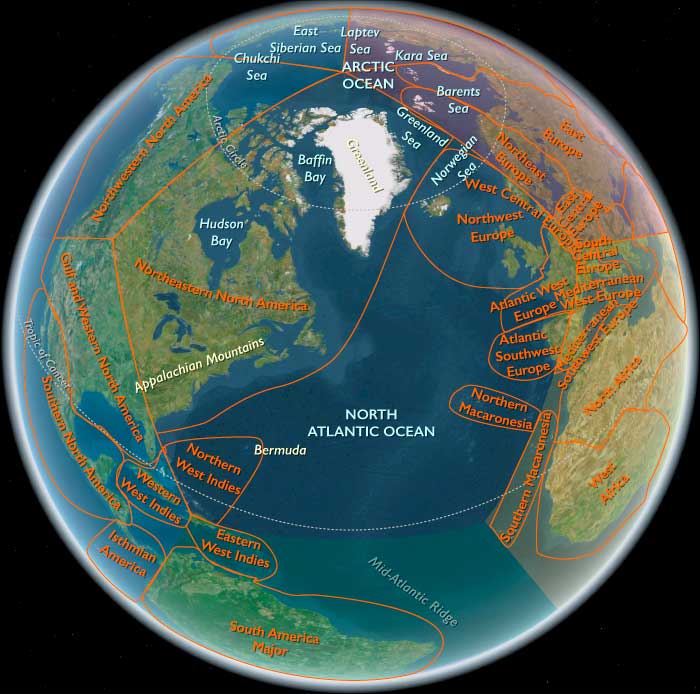
Atlantic Southwest Europe (1696–1707 CE): Dynastic Shifts, Economic Pressures, and Cultural Continuity
From 1696 to 1707, Atlantic Southwest Europe—including northern and central Portugal (Lisbon and Porto), Galicia, Asturias, Cantabria, northern León and Castile, northern Navarre, northern Rioja, and the Basque Country—experienced a critical period marked by significant political upheaval, economic strain from broader European conflicts, and ongoing regional resilience. The death of Spain’s last Habsburg monarch and subsequent War of the Spanish Succession reshaped political alignments, intensified local autonomy efforts, and challenged economic stability, while cultural and religious traditions persisted robustly despite external turmoil.
Political and Military Developments
Death of Charles II and Dynastic Crisis
The death of the childless Spanish king, Charles II, in 1700, triggered the War of the Spanish Succession (1701–1714). Atlantic Southwest Europe was drawn into the conflict, facing profound uncertainty as European powers vied to install their preferred successors—either Bourbon candidate Philip of Anjou or Archduke Charles of Austria—on the Spanish throne.
Impact on Northern Spanish Regions
The conflict significantly impacted northern Spain. The Basque Country, Navarre, and Galicia became strategically important territories due to their proximity to France and critical Atlantic trade routes. Regional leaders deftly negotiated their positions, seeking to maintain local autonomy and protecting their fueros amid centralizing pressures from Madrid under Bourbon rule.
Portugal's Strategic Realignment
Initially cautious, King Pedro II of Portugal (r. 1683–1706) and his successor João V (r. 1706–1750) eventually sided with the Grand Alliance (Britain, Austria, and the Netherlands) against Bourbon Spain and France. This alignment reinforced Portugal’s independence and secured valuable diplomatic and commercial support from Britain and other maritime powers, crucially benefiting Portuguese trade.
Economic Developments: Challenges and Resilience
Disruption from the War of Succession
The conflict severely disrupted regional trade networks, notably impacting maritime cities such as Bilbao, Santander, Porto, and Lisbon. Frequent naval engagements and privateering along Atlantic trade routes temporarily depressed commercial activities and strained local economies reliant on maritime trade.
Portuguese Economic Adaptation
Despite these disruptions, Portugal successfully adapted, strengthening trade partnerships with Britain and the Netherlands. Northern Portugal, especially Porto, continued to expand its international trade in Port wine, leveraging the Anglo-Portuguese alliance to mitigate wartime disruptions and maintain economic resilience.
Industrial and Commercial Stability in Northern Spain
The Basque Country and Cantabria sustained industrial output, particularly iron production in Bilbao and shipbuilding in Santander, despite increased demands from wartime pressures. Galicia maintained a robust fishing economy, partially offsetting disruptions caused by reduced maritime commerce during the war.
Religious and Cultural Developments
Continuation of Counter-Reformation Orthodoxy
Throughout the political and military upheaval, the Counter-Reformation remained influential. Ecclesiastical institutions in cities like Lisbon, Coimbra, Santiago de Compostela, and Pamplona reinforced religious orthodoxy and community cohesion, maintaining a sense of continuity and stability amid external uncertainties.
Flourishing Baroque Cultural Expression
Cultural and artistic activity continued to thrive, exemplified by rich Baroque architecture and artistic patronage throughout the region. Major construction and artistic projects persisted in Lisbon, Porto, Braga, Santiago de Compostela, and numerous Basque and Castilian cities, demonstrating sustained regional creativity and identity despite broader political challenges.
Social and Urban Developments
Urban Pressures and Regional Stability
Despite economic strains, urban centers such as Lisbon, Porto, Bilbao, and Santander remained resilient, leveraging stable governance and continued trade partnerships to sustain social stability. Urban populations continued to grow, bolstered by rural migration and local economic adaptation strategies.
Reinforcement of Local Autonomy
Amid broader centralizing pressures from the new Bourbon monarchy, the Basque territories, Navarre, and Galicia vigorously defended their fueros, maintaining a strong sense of regional identity and administrative autonomy. Local elites strategically negotiated with Madrid, preserving regional privileges and limiting central intervention.
Notable Regional Groups and Settlements
-
Portuguese (Northern and Central): Strengthened economic alliances with Britain, preserving maritime trade and political stability despite wartime disruptions.
-
Galicians and Asturians: Managed to sustain maritime economies and regional autonomy despite external military pressures.
-
Basques, Navarrese, and Cantabrians: Reinforced industrial and economic strength while fiercely defending traditional fueros against centralizing Bourbon policies.
-
Northern Castilians and Riojans: Maintained regional stability and local governance, carefully navigating political tensions resulting from the dynastic crisis.
Long-Term Significance and Legacy
Between 1696 and 1707, Atlantic Southwest Europe:
-
Endured significant political upheaval resulting from the Spanish dynastic crisis and War of Succession, shaping subsequent regional alignments.
-
Demonstrated economic resilience through strategic alliances and adaptation to wartime trade disruptions, notably benefiting northern Portugal.
-
Sustained vibrant cultural and religious life, with Baroque artistic flourishing and Counter-Reformation continuity providing regional stability.
-
Reinforced strong local autonomy through vigorous defense of regional privileges (fueros), profoundly influencing future regional governance structures.
This pivotal era set the stage for Atlantic Southwest Europe’s long-term trajectory, characterized by continued regional autonomy, resilient economies, and vibrant cultural expressions that shaped its enduring historical identity.
Atlantic Southwest Europe (1708–1719 CE): War, Economic Revival, and Strengthened Regional Identities
From 1708 to 1719, Atlantic Southwest Europe—including northern and central Portugal (Lisbon and Porto), Galicia, Asturias, Cantabria, northern León and Castile, northern Navarre, northern Rioja, and the Basque Country—witnessed significant political transitions, gradual economic revival, and robust affirmation of regional autonomy. The region remained heavily influenced by the ongoing War of the Spanish Succession (1701–1714), followed by tentative recovery and strengthened local governance under the new Bourbon monarchy in Spain and continued stability in Portugal under João V.
Political and Military Developments
Conclusion of the War of the Spanish Succession
The conclusion of the war in 1714 (Treaty of Utrecht, 1713–1714) reshaped political realities. Philip V consolidated Bourbon rule in Spain, ending decades of Habsburg control and initiating profound centralizing reforms that significantly affected northern Spanish territories.
Portuguese Diplomatic Stability
Under King João V (r. 1706–1750), Portugal maintained political stability and expanded diplomatic and trade alliances, particularly with Great Britain. The 1713 Treaty of Utrecht further solidified Portuguese independence and maritime commerce, boosting prosperity, especially in the key cities of Lisbon and Porto.
Impact of Bourbon Reforms in Northern Spain
Philip V’s attempts to centralize power profoundly impacted regions traditionally protective of their autonomy, notably the Basque Country and Navarre. Local elites strongly resisted royal decrees threatening their treasured fueros, often successfully, preserving significant regional autonomy despite Madrid’s pressures.
Economic Developments: Gradual Recovery and Expansion
Portuguese Maritime Prosperity
Portugal enjoyed sustained economic revival, particularly in maritime commerce. Lisbon and Porto expanded significantly as trade hubs, benefiting from strong commercial ties to Britain and the Americas. Port wine exports from Porto continued to grow, firmly establishing northern Portugal’s reputation in international markets.
Revival of Basque and Cantabrian Industries
In the aftermath of wartime disruption, the Basque Country and Cantabria swiftly rebounded economically. Shipbuilding, iron manufacturing, and fishing industries regained momentum in ports such as Bilbao and Santander, bolstered by renewed trade with northern Europe and the Americas.
Galician Maritime Resilience
Galicia’s fishing and maritime trade sectors in Vigo and A Coruña rapidly recovered post-war, strengthening the local economy and reestablishing commercial connections disrupted during the war.
Religious and Cultural Developments
Continued Influence of Counter-Reformation Catholicism
The Counter-Reformation retained its dominant cultural and social influence, reinforced by ecclesiastical institutions in cities like Braga, Santiago de Compostela, Pamplona, and Coimbra. Religious orders continued to shape educational and cultural life, fostering community cohesion and regional stability.
Vibrant Baroque Cultural Achievements
This period saw sustained investment in Baroque art and architecture, reflecting both religious devotion and regional pride. Notable projects included the expansion of churches and monasteries in Lisbon, Porto, Braga, and Santiago de Compostela, enriching local identities and urban landscapes.
Social and Urban Developments
Urban Prosperity and Demographic Expansion
Cities such as Lisbon, Porto, Bilbao, Santander, and Vigo experienced significant growth, fueled by economic revival, maritime trade, and rural migration. Urban infrastructure improvements and vibrant mercantile communities reflected increased prosperity and social mobility.
Strengthening of Regional Identities and Autonomy
Northern Spain’s regions, particularly the Basque provinces and Navarre, vigorously defended their fueros, successfully limiting Bourbon centralization. These victories in preserving regional rights bolstered local pride and administrative independence, becoming foundational elements of lasting regional identities.
Notable Regional Groups and Settlements
-
Portuguese (Lisbon and Porto): Flourished economically through maritime trade, reinforcing Portugal’s diplomatic and commercial independence.
-
Galicians and Asturians: Revived maritime and agricultural sectors, sustaining regional stability and distinctiveness amid broader political shifts.
-
Basques and Navarrese: Defended traditional fueros successfully, preserving significant regional autonomy against Bourbon centralization efforts.
-
Northern Castilians, Cantabrians, and Riojans: Experienced economic renewal and maintained local governance structures, benefiting from post-war stability.
Long-Term Significance and Legacy
Between 1708 and 1719, Atlantic Southwest Europe:
-
Transitioned successfully from wartime instability to a period of recovery, marked by enhanced maritime trade, economic revival, and urban prosperity.
-
Reinforced regional autonomy and distinct identities, particularly in northern Spanish territories, through effective resistance to Bourbon centralizing reforms.
-
Sustained vibrant cultural expression, exemplified by ongoing Baroque artistic and architectural patronage, underpinning strong regional identities and community cohesion.
-
Set critical foundations for future economic prosperity and enduring regional governance structures, significantly influencing the trajectory of subsequent historical developments.
This pivotal era thus reinforced Atlantic Southwest Europe’s resilience, autonomy, and cultural vitality, profoundly shaping its enduring historical character.
Some historians view this as a key point in the evolution of the modern nation state.
Britain is usually seen as the main beneficiary, Utrecht marking its rise to becoming the primary European commercial power.
It establishes naval superiority over its competitors, controls the strategic Mediterranean ports of Gibraltar and Menorca, and gains commercial access to Spanish America.
France accepts the Protestant succession, ensuring a smooth inheritance by George I in August 1714 and will end support for the Stuarts under the 1716 Anglo-French Treaty.
Lastly, the war has left all the participants with unprecedented levels of government debt but only Britain successfully has financed it.
Philip is confirmed as King of Spain, which retains its independence and the majority of its Empire but cedes the Spanish Netherlands and most of their Italian possessions.
The 1707 Nueva Planta decrees had transferred powers to Madrid and largely abolished regional political structures.
These reforms have enabled Spain to recover remarkably quickly and only British naval power will prevent them regaining Naples and Sicily in 1718.
Despite its failure in Spain, Austria has secured its position in Italy and Hungary and acquired the bulk of the Spanish Netherlands.
Even after reimbursing the Dutch for most of the expenses associated with their Barrier, the increased tax revenues will help fund a significant expansion of Austrian military forces.
The acquisition of maritime territories in the Netherlands and Italy increases the potential for conflict in an area where Austria has traditionally relied on others, and Spain will recapture Sicily and Naples during the War of the Polish Succession in 1734.
Wider implications include the beginning of the rise of Prussia and Savoy, while many of the participants are involved in the Great Northern War, with Russia becoming a European power for the first time as a result.
Finally, while colonial conflicts had been relatively minor and largely confined to the North American theater or the so-called Queen Anne's War, they are to become a key element in future wars.
The Treaty of Utrecht (1713): The End of the War of the Spanish Succession
The Treaty of Utrecht (1713) was a series of peace agreements that formally ended the War of the Spanish Succession (1701–1714) and redrew the political map of Europe. These treaties were signed in the Dutch city of Utrecht between March and April 1713, involving Great Britain, France, Spain, Portugal, the Dutch Republic, and Savoy. The agreements established a new balance of power in Europe and granted Britain significant colonial and commercial advantages.
Background: Peace Negotiations Begin (1711–1712)
- France and Britain had reached a preliminary peace agreement in October 1711, tacitly accepting the partition of Spain’s European territories.
- The Congress of Utrecht opened on January 29, 1712, with British representatives John Robinson (Bishop of Bristol) and Thomas Wentworth (Lord Strafford) leading negotiations.
- The Dutch reluctantly participated, while the Holy Roman Emperor Charles VI only joined after assurances that the preliminaries were not binding.
- Spain initially did not send representatives, as Philip V was not yet recognized as king, but later participated.
- Philip V signed a renunciation of his claim to the French throne on July 10, 1712, resolving a major point of contention.
- With Great Britain and France agreeing to a truce, negotiations accelerated, culminating in the formal signing of the treaties in 1713.
Key Terms of the Treaty of Utrecht (1713)
✔ Recognition of Philip V as King of Spain
- Britain and Austria formally accepted Philip V as the legitimate King of Spain.
- Philip renounced his claim to the French throne, ensuring that France and Spain would never unite under a single ruler.
✔ Britain’s Territorial and Commercial Gains
- First Treaty of Utrecht (March 27, 1713, between Britain and Spain):
- Spain ceded Gibraltar and Minorca to Britain, strengthening British naval power in the Mediterranean.
- Second Treaty of Utrecht (April 11, 1713, between Britain and France):
- France ceded Newfoundland, Acadia, Hudson Bay, and St. Kitts to Britain, expanding British influence in North America.
- Britain secured the lucrative Asiento de Negros, granting it exclusive rights to supply enslaved Africans to Spanish America for 30 years, marking a major economic victory.
✔ Division of the Spanish European Empire
- The Spanish Netherlands (modern Belgium) passed to Austrian control.
- Savoy received Sicily and parts of the Duchy of Milan.
- The Holy Roman Emperor Charles VI received:
- The Kingdom of Naples.
- Sardinia.
- The bulk of the Duchy of Milan.
✔ French Ambitions Checked
- The treaty ended Louis XIV’s expansionist wars and preserved the European balance of power.
- France acknowledged British sovereignty over the Hudson Bay territories and agreed to fortification limits.
Consequences of the Treaty of Utrecht
✔ Britain Emerges as the Dominant Naval Power
- The treaty solidified British colonial supremacy, paving the way for the British Empire’s global dominance.
✔ Spain’s Decline as a European Power
- The treaty permanently reduced Spanish influence in Europe, though Spain retained its vast American colonies.
✔ Austria’s Rise in Central Europe
- The Habsburgs gained significant territory, making Austria a dominant power in Italy and the Low Countries.
✔ France’s Loss of Prestige and Influence
- Louis XIV’s dream of uniting France and Spain under Bourbon rule was thwarted.
- France was forced to accept Britain’s rise as a naval and colonial rival.
Conclusion: A Turning Point in European History
The Peace of Utrecht (1713) marked the end of France’s aggressive expansion under Louis XIV, securing a new balance of power in Europe. While Philip V remained King of Spain, Spain’s European holdings were divided, and Britain gained crucial commercial and territorial advantages. The treaty laid the foundations for 18th-century European diplomacy, influencing the colonial struggles and power shifts that shaped the modern world.
Atlantic Southwest Europe (1720–1731 CE): Economic Prosperity, Political Stability, and Cultural Vitality
Between 1720 and 1731, Atlantic Southwest Europe—including northern and central Portugal (Lisbon and Porto), Galicia, Asturias, Cantabria, northern León and Castile, northern Navarre, northern Rioja, and the Basque Country—experienced a decade marked by sustained economic prosperity, reinforced political stability, and significant cultural flourishing. The period solidified the region’s position as an economically dynamic, politically resilient, and culturally vibrant area, strongly influenced by maritime commerce, regional autonomy, and the ongoing expansion of Baroque culture.
Political and Military Developments
Consolidation of Bourbon Power in Spain
Under King Philip V of Spain (r. 1700–1746), efforts to centralize political control continued, although resistance from northern territories—particularly the Basque Country and Navarre—resulted in compromises that preserved significant regional autonomy and local governance through their fiercely defended fueros.
Portuguese Stability and Diplomatic Strength
In Portugal, King João V (r. 1706–1750) presided over a stable and prosperous period, reinforcing Portugal’s diplomatic ties, especially with Britain. Portugal remained largely insulated from European military conflicts during this decade, enabling further economic growth and urban development in Lisbon and Porto.
Regional Autonomy and Governance
Throughout northern Spain, local authorities effectively leveraged their privileges (fueros) to negotiate favorable terms with Madrid, maintaining regional stability and autonomy. This fostered stable governance and encouraged local economic initiatives, especially in Cantabria, Galicia, Asturias, and the Basque provinces.
Economic Developments: Maritime Expansion and Industrial Growth
Portuguese Maritime and Commercial Growth
Portuguese maritime commerce thrived, driven by the robust trade of luxury goods, particularly Port wine exported from Porto and Brazil's colonial products through Lisbon. Lisbon and Porto became vital European trading hubs, significantly enhancing Portugal’s wealth and international prestige.
Industrial and Commercial Prosperity in Northern Spain
Economic growth accelerated in northern Spanish ports such as Bilbao, Santander, Vigo, and A Coruña. Industries including shipbuilding, ironworking, and fisheries expanded markedly, stimulated by growing trade connections with Britain, France, and the Netherlands, further integrating Atlantic Southwest Europe into broader European commercial networks.
Agricultural and Rural Stability
Improved agricultural methods and favorable economic conditions benefited rural areas in Galicia, Asturias, and northern Castile-León. Increased productivity supported urban growth by supplying expanding cities with essential foodstuffs, stabilizing the rural economy, and reducing chronic poverty.
Religious and Cultural Developments
Baroque Cultural Flourishing
The period witnessed continued investment in elaborate Baroque artistic and architectural projects, enhancing urban landscapes in cities such as Lisbon, Porto, Braga, Santiago de Compostela, Pamplona, and Bilbao. Churches, monasteries, and public buildings exhibited rich ornamentation, reflecting regional wealth and religious devotion.
Strengthening Catholic Identity
Counter-Reformation Catholicism maintained its central role in regional life, upheld through influential educational and religious institutions, notably in Coimbra, Braga, and Valladolid. Religious festivities, processions, and pilgrimages—particularly the pilgrimage route to Santiago de Compostela—reinforced cultural cohesion and regional identity.
Social and Urban Developments
Urban Expansion and Social Mobility
Cities such as Lisbon, Porto, Bilbao, and Santander experienced significant growth due to maritime prosperity, attracting migrants seeking economic opportunities. Growing urban populations supported a dynamic merchant and artisan class, contributing to increased social mobility and vibrant civic life.
Reinforcement of Regional Autonomy and Identity
Local governance structures—particularly the Basque and Navarrese fueros—continued to provide a framework for regional self-governance, contributing significantly to social stability and local identity. Galicia, Asturias, and northern Portuguese regions similarly reinforced their distinct regional characteristics through cultural and linguistic traditions.
Notable Regional Groups and Settlements
-
Portuguese (Lisbon and Porto): Achieved substantial economic prosperity from maritime trade, consolidating national and international commercial influence.
-
Basques and Navarrese: Maintained robust autonomy and economic prosperity through strategic defense of fueros, fostering local industries and maritime commerce.
-
Galicians and Asturians: Benefited from stable agricultural productivity and renewed maritime trade, reinforcing regional economies and identities.
-
Cantabrians and Northern Castilians: Experienced economic growth and urban development, notably in Santander and inland cities like Burgos, contributing to regional prosperity.
Long-Term Significance and Legacy
Between 1720 and 1731, Atlantic Southwest Europe:
-
Consolidated its economic and political stability, effectively balancing centralized authority with strong regional autonomy, particularly through sustained protection of traditional fueros.
-
Expanded maritime commerce and industrial growth, significantly integrating regional economies into broader European trade networks.
-
Enhanced urban development and social mobility, reinforcing the vitality and prosperity of key regional cities.
-
Fostered vibrant cultural and religious life, deeply rooted in Counter-Reformation traditions and Baroque artistic expression, strengthening regional identities and cohesion.
This decade of sustained growth and stability laid the groundwork for continued prosperity and distinct regional character in Atlantic Southwest Europe, shaping its historical trajectory significantly in subsequent decades.
Pope Benedict XIII has endeavored to put a stop to the decadent lifestyles of the Italian priesthood and of the cardinalate.
He has also abolished the lottery in Rome.
A man fond above all of asceticism and religious celebrations, according to Cardinal Lambertini (later Pope Benedict XIV) he "did not have any idea about how to rule".
(Rendina, Claudio (1993). I papi. Storia e segreti. p. 590. Rome: Newton Compton.)
The government is effectively held in his lieu by Cardinal Niccolò Coscia, who had been Benedict's secretary when he was archbishop of Benevento, and who has committed a long series of financial abuses at his own advantage, causing the ruin of the Papal treasure.
According to Montesquieu, "All the money of Rome go to Benevento... as the Beneventani direct [Benedict's] weakness". (Rendina, p. 592) In foreign politics, he has struggled with John V of Portugal and the Jansenists.
He has repealed the world-wide smoking ban set by Pope Urban VIII.
Benedict XIII, whose orders are descended from Scipione Rebiba, has personally consecrated at least 139 bishops for various important European sees, including German, French, English and New World bishops.
These bishops in turn will consecrate bishops almost exclusively for their respective countries, causing other episcopal lineages to die.
As a result, more than ninety percent of present-day bishops trace their episcopal lineage through him to Cardinal Rebiba.
He had in 1727 inaugurated the famous Spanish Steps and founded the University of Camerino.
Benedict dies on February 21, 1730 and is buried in a tomb in Santa Maria sopra Minerva completed by Pietro Bracci and others.
Atlantic Southwest Europe (1732–1743 CE): Economic Expansion, Enlightenment Influences, and Regional Dynamics
Between 1732 and 1743, Atlantic Southwest Europe—including northern and central Portugal (Lisbon and Porto), Galicia, Asturias, Cantabria, northern León and Castile, northern Navarre, northern Rioja, and the Basque Country—continued experiencing steady economic growth, political stability, and increasingly vibrant cultural developments. The region benefited from expanding Atlantic trade, early Enlightenment influences, and resilient regional autonomy, reinforcing both economic prosperity and distinctive cultural identities.
Political and Military Developments
Portuguese Diplomatic Stability and Influence
Under King João V of Portugal (r. 1706–1750), Portugal maintained diplomatic neutrality amid European conflicts, strategically benefiting from strong alliances, particularly with Britain. Northern Portugal, particularly Porto and Lisbon, prospered from continued maritime commerce, underpinned by effective royal patronage and governance.
Spain: Regional Autonomy and Central Compromise
In Spain, Philip V continued centralizing efforts but faced enduring resistance from northern territories, notably the Basque provinces and Navarre, which vigorously defended their fueros (traditional privileges). This resulted in pragmatic compromises, preserving considerable regional self-governance and political stability.
Limited Military Involvement
Atlantic Southwest Europe largely remained insulated from direct military conflicts of the period, allowing regional economies to prosper without the disruptive impacts of war. Coastal defense structures, especially in key ports (Bilbao, Santander, Lisbon, Porto), were maintained effectively, safeguarding maritime trade routes.
Economic Developments: Maritime Trade and Industrial Expansion
Portuguese Maritime Prosperity
Portuguese maritime trade flourished, especially in Lisbon and Porto, driven by lucrative transatlantic commerce with colonies in Brazil, Africa, and Asia. Porto’s wine exports (Port wine) grew substantially, solidifying its commercial importance and enriching local merchant classes.
Basque and Cantabrian Economic Growth
The Basque Country and Cantabria enjoyed substantial industrial expansion. Bilbao emerged as a major iron export center, significantly supplying British industries and shipyards. Santander similarly benefited from expanding trade and shipbuilding activities, reinforcing economic vitality along the Cantabrian coast.
Agricultural and Rural Stability
Galicia, Asturias, and northern Castile experienced sustained agricultural stability, supported by improved farming techniques and trade connectivity. Rural productivity provided urban centers with food and raw materials, bolstering regional economic integration and reducing chronic poverty.
Cultural and Religious Developments
Early Enlightenment Influences
Early Enlightenment ideas gradually began influencing the region’s intellectual and cultural life, especially within educated circles in cities like Lisbon, Coimbra, Braga, and Valladolid. Universities and elite intellectual groups increasingly engaged with rationalist and scientific approaches, cautiously challenging traditional scholasticism.
Baroque Artistic and Cultural Flourishing
Baroque cultural expressions continued thriving, visible in extensive architectural and artistic patronage across the region. In cities such as Santiago de Compostela, Braga, Lisbon, and Bilbao, elaborate churches, palaces, and civic buildings showcased sophisticated Baroque styles, reflecting regional wealth and religious devotion.
Continued Strength of Catholic Orthodoxy
Counter-Reformation Catholicism remained influential, maintained through ecclesiastical institutions and regional religious festivities, particularly significant in Galicia and northern Portugal. Pilgrimage traditions, notably to Santiago de Compostela, remained vibrant, reinforcing local identities and spiritual cohesion.
Social and Urban Developments
Urban Expansion and Merchant Class Prosperity
Economic prosperity stimulated urban growth in major cities like Lisbon, Porto, Bilbao, and Santander. Merchant classes expanded significantly, influencing local governance, financing urban improvements, and supporting cultural patronage, thus enhancing social mobility and civic vitality.
Regional Identity and Autonomy
Regional identities, especially in the Basque territories, Navarre, Galicia, and northern Portugal, further strengthened. Fueled by economic prosperity and cultural dynamism, local governance structures and traditional fueros continued empowering regional autonomy, reinforcing distinct identities within broader state frameworks.
Notable Regional Groups and Settlements
-
Portuguese (Lisbon and Porto): Continued maritime prosperity and cultural flourishing, benefiting from robust Atlantic commerce and stable royal governance.
-
Basques and Navarrese: Maintained significant autonomy and economic strength through trade, industry, and strategic defense of their fueros.
-
Galicians and Asturians: Benefited from stable agriculture, maritime trade growth, and ongoing religious and cultural dynamism.
-
Cantabrians and Northern Castilians: Achieved sustained economic prosperity through maritime industries, trade expansion, and urban growth.
Long-Term Significance and Legacy
Between 1732 and 1743, Atlantic Southwest Europe:
-
Consolidated economic prosperity through sustained maritime trade, industrial growth, and agricultural stability.
-
Experienced early influences of Enlightenment thought, subtly shaping intellectual developments despite continued dominance of religious orthodoxy.
-
Strengthened urbanization and regional merchant classes, significantly enhancing local civic life, social mobility, and cultural patronage.
-
Reinforced regional autonomy and distinctive identities, particularly in the Basque territories, Navarre, and northern Portuguese regions, setting critical precedents for future governance and regional resilience.
This period of sustained growth, political stability, and vibrant cultural developments significantly positioned Atlantic Southwest Europe to navigate forthcoming transformations in the mid-eighteenth century.
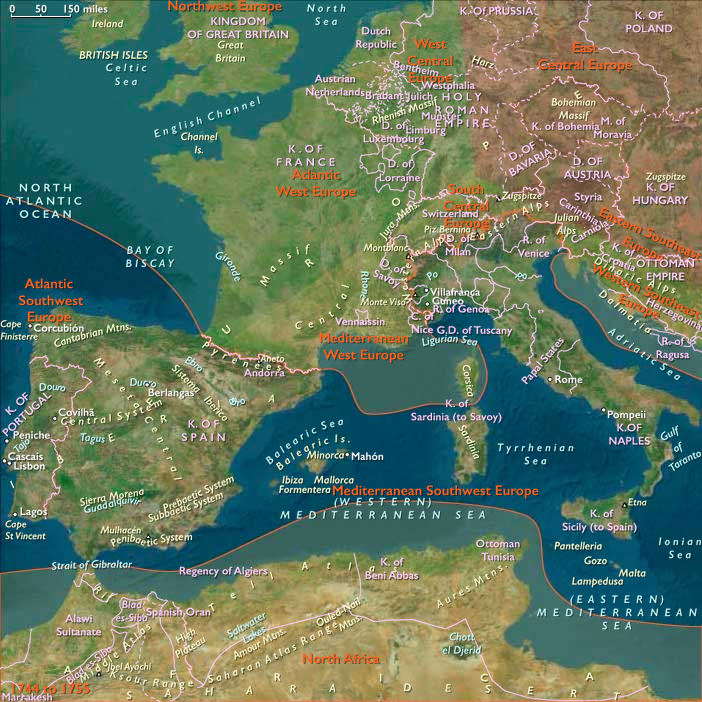
Atlantic Southwest Europe (1744–1755): Enlightenment Influences, Economic Expansion, and Catastrophic Disaster
Between 1744 and 1755, Atlantic Southwest Europe—including northern and central Portugal (with Lisbon), Galicia, Asturias, Cantabria, northern León and Castile, northern Navarre, northern Rioja, and the Basque Country—witnessed significant economic growth, intellectual vitality influenced by Enlightenment ideals, and increased commercial prosperity driven by maritime trade. However, this flourishing era ended abruptly with the catastrophic Lisbon Earthquake of 1755, profoundly reshaping the region’s political, economic, cultural, and social trajectory.
Political and Military Developments
Portuguese Governance and Enlightenment Reform
-
Portugal under King João V (r.1706–1750) and his successor, José I (r.1750–1777), experienced political stability with emerging Enlightenment-inspired reforms. José I's influential minister, Sebastião José de Carvalho e Melo (later Marquis of Pombal), promoted modernization and administrative centralization.
-
Northern Portugal, particularly Porto, benefited from improved governance, infrastructural enhancements, and supportive commercial policies.
Regional Stability in Northern Spain
-
In Spain under King Ferdinand VI (r.1746–1759), northern provinces—including Galicia, Asturias, Cantabria, and the Basque Country—experienced political stability and economic expansion. Local privileges (fueros) continued to underpin strong regional autonomy, providing robust governance and economic benefits.
-
Northern Navarre and the Basque provinces remained politically stable, leveraging local autonomy and economic self-governance to enhance regional prosperity.
Economic Developments: Maritime Prosperity and Trade Growth
Portuguese Maritime Trade Expansion
-
Northern and central Portugal’s maritime economy, centered on Lisbon and Porto, prospered with expanded transatlantic trade, particularly to Brazil. Port wine exports from the Douro region surged, bolstering Porto’s economy and enhancing Lisbon’s international stature as a trading hub.
-
Shipbuilding and fisheries thrived along Portugal’s Atlantic coast, significantly contributing to urban prosperity and expanding merchant classes.
Basque and Cantabrian Commercial Strength
-
The Basque Country, notably Bilbao, emerged as a critical European commercial center, excelling in iron production, shipbuilding, and transatlantic trade.
-
Cantabria, particularly Santander, continued to grow economically, leveraging Atlantic trade routes, maritime industry, and fishing to foster regional prosperity.
Religious and Cultural Developments
Enlightenment and Baroque Cultural Fusion
-
The Enlightenment influenced cultural institutions, fostering intellectual debates and advancements in education, notably at the University of Coimbra in Portugal and in Spanish institutions such as those in Bilbao and Santander.
-
Baroque artistic expression continued to flourish, particularly in architecture, with impressive developments in Lisbon, Porto, Braga, Santiago de Compostela, and Pamplona.
Social and Urban Developments
Urban Expansion and Merchant Class Growth
-
Lisbon, Porto, Bilbao, and Santander saw significant urban growth, fueled by maritime commerce and expanding merchant wealth. Urban infrastructure improved markedly, with public works enhancing civic life.
-
Regional autonomy under fueros strengthened the social cohesion of communities in northern Spanish provinces, emphasizing distinct cultural and political identities.
The Lisbon Earthquake of 1755: Catastrophe and Consequences
On November 1, 1755, Lisbon experienced a catastrophic earthquake—one of Europe's most devastating natural disasters. The quake destroyed vast portions of Lisbon, followed by destructive fires and a massive tsunami that devastated coastal areas. An estimated 40,000 to 50,000 lives were lost in Lisbon alone, with destruction also affecting coastal communities across Portugal, including Cascais, Setúbal, and regions as far north as Porto and Galicia in northwest Spain.
-
Immediate Response and Crisis Management: Minister Sebastião José de Carvalho e Melo swiftly directed emergency responses, organizing relief, controlling disorder, and initiating rapid urban reconstruction. His effective handling greatly increased his political authority, allowing extensive reforms and modernization projects in subsequent years.
-
Regional Impact: Porto, while spared catastrophic damage, faced economic disruptions from interrupted trade and damaged maritime infrastructure. Galicia and other northern coastal regions experienced milder effects but endured temporary trade setbacks due to maritime disruptions.
-
Cultural and Intellectual Effects: The disaster profoundly impacted European intellectual life, prompting debates about divine providence, philosophical skepticism, and human reason. Enlightenment thinkers such as Voltaire and Kant commented extensively on the earthquake’s moral and philosophical implications.
Legacy and Significance
The period 1744–1755 dramatically transformed Atlantic Southwest Europe. Initially marked by stability, economic expansion, and cultural vitality, the era abruptly ended with the 1755 Lisbon earthquake, reshaping political authority in Portugal and sparking profound intellectual reflections across Europe. The catastrophe accelerated administrative centralization, economic modernization, and urban planning innovations, leaving a lasting imprint on the region’s historical trajectory.