John Quincy Adams
6th President of the United States
Years: 1767 - 1848
John Quincy Adams (July 11, 1767 – February 23, 1848) is the sixth President of the United States (1825–1829).
He serves as an American diplomat, Senator, and Congressional representative.
He is a member of the Federalist, Democratic-Republican, National Republican, and later Anti-Masonic and Whig parties.
Adams is the son of former President John Adams and Abigail Adams.
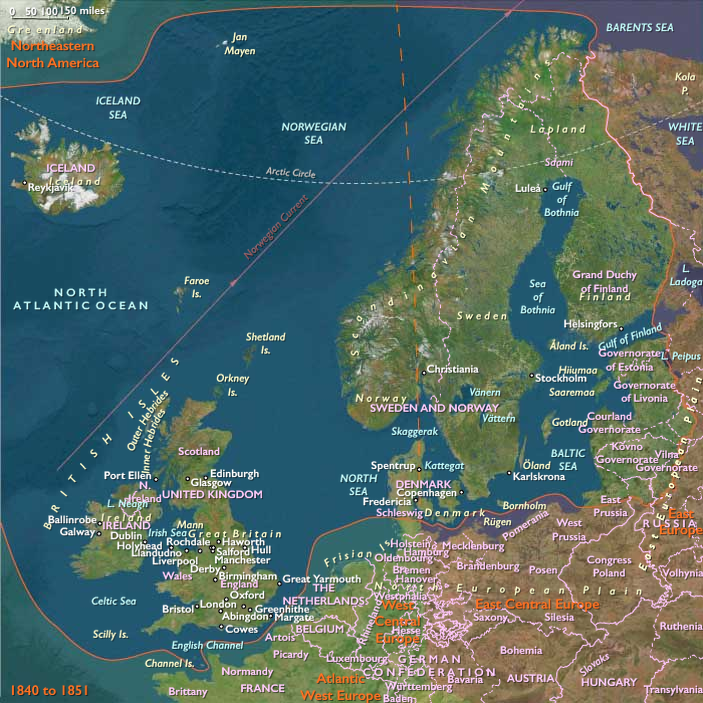
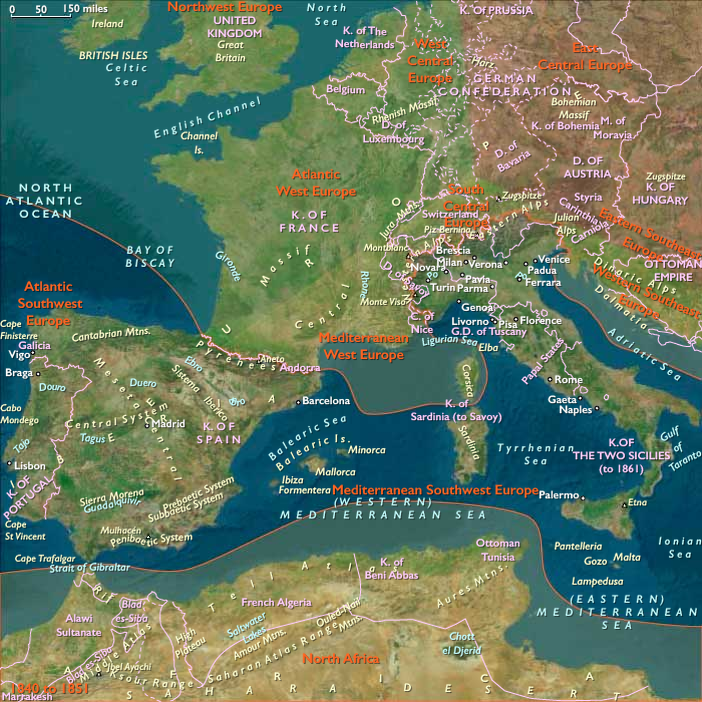
As a diplomat, Adams plays an important role in negotiating many international treaties, most notably the Treaty of Ghent, which ends the War of 1812.
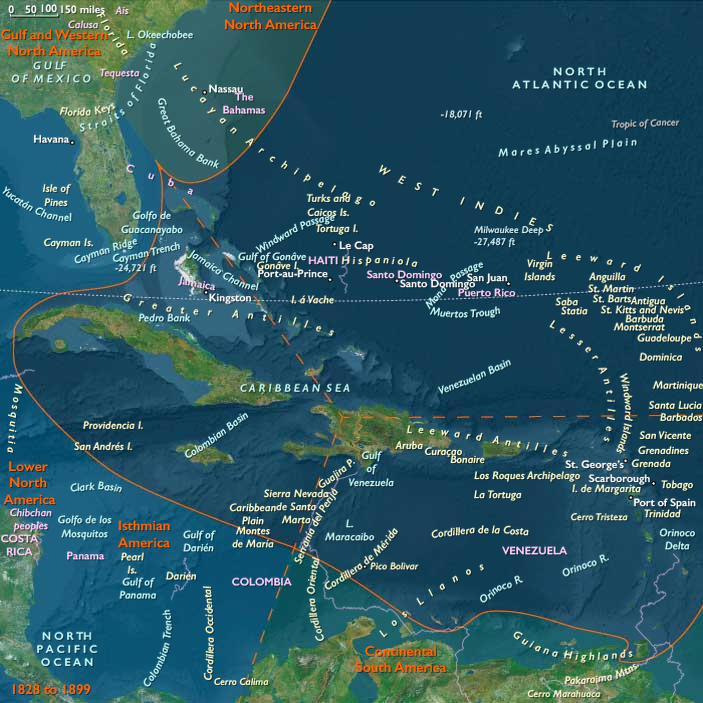
As Secretary of State, he negotiates with the United Kingdom over America's northern border with Canada, negotiates with Spain the annexation of Florida, and authors the Monroe Doctrine.
Historians agree he was one of the greatest diplomats and secretaries of state in American history.
As president, he seeks to modernize the American economy and promote education.
Adams enacts a part of his agenda and pays off much of the national debt.
He is stymied by a Congress controlled by his enemies, and his lack of patronage networks help politicians eager to undercut him.
He loses his 1828 bid for reelection to Andrew Jackson.
In doing so, he becomes the first President since his father to serve a single term.
Adams is best known as a diplomat who shaped America's foreign policy in line with his ardently nationalist commitment to America's republican values.
More recently Howe (2007) portrayed Adams as the exemplar and moral leader in an era of modernization.
During Adams' lifetime, technological innovations and new means of communication spread messages of religious revival, social reform, and party politics.
Goods, money and people traveled more rapidly and efficiently than ever before.
(Howe, Daniel Walker.
What Hath God Wrought: The Transformation of America, 1815-1848.
2007.)
Adams is elected a U.S. Representative from Massachusetts after leaving office, the only president ever to be so, serving for the last 17 years of his life with far greater success than he had achieved in the presidency.
Animated by his growing revulsion against slavery, Adams becomes a leading opponent of the Slave Power.
He predicts that if a civil war were to break out, the president could abolish slavery by using his war powers.
Adams also predicts the Union's dissolution over the slavery issue, but says that if the South becomes independent there would be a series of bloody slave revolts.