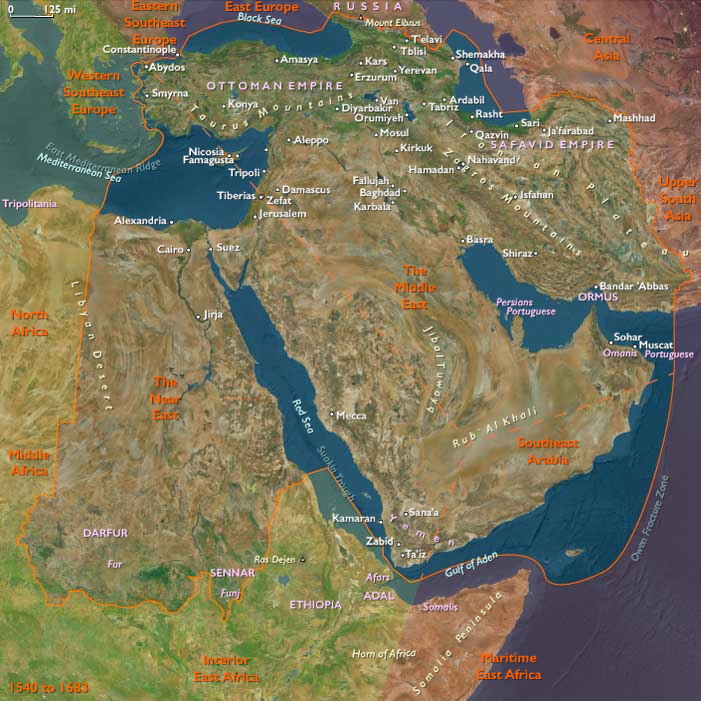
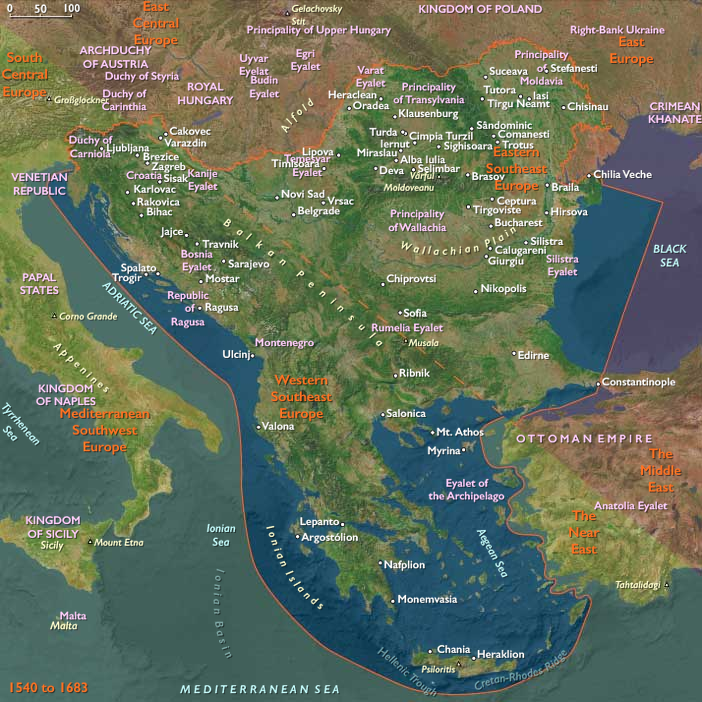
Transylvania, the eastern part of the former Hungarian Kingdom that after 1526 had gained semi-independence while paying tribute to the Ottoman Empire, had felt strong enough in 1657, to attack the Tatars (the Empire's vassals) to the East, and later the Ottoman Empire itself, which had come to the Tatars' defense.
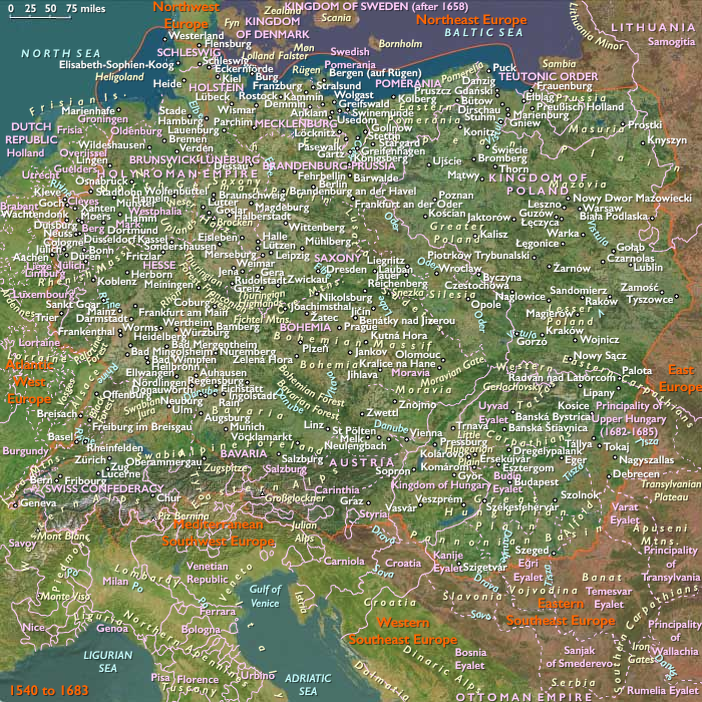
Transylvania’s Prince György II Rákóczi has turned to Austria for help against the invasion of his Ottoman Turkish suzerain, making land concessions, but the Austrians have delayed.
A Ottoman army in 1660 makes a tour of destruction from northeastern Hungary, enters Transylvania, and in May defeats Rákóczi at the Battle of Gyula, near Fenes, where he is mortally wounded; he dies at Nagy-Várad in June.
His son, Ferenc Rákóczi, had in 1652 been designated to become prince of Transylvania, but is never to reign after his father's death.
The Sublime Porte now openly disregards the Transylvanian Estates' right to elect the prince.
Hungarian aristocrat János Kemény views this, and the successive invasions of Transylvania by the Turks and their Crimean Tatar allies, as an end of Transylvania's autonomy, which he thinks can be prevented only with reliance on Habsburg help.