John III Sobieski
King of Poland and Grand Duke of Lithuania
Years: 1629 - 1696
John III Sobieski (Polish: Jan III Sobieski) (17 August 1629 – 17 June 1696) is one of the most notable monarchs of the Polish-Lithuanian Commonwealth, from 1674 until his death King of Poland and Grand Duke of Lithuania.
Sobieski's 22-year-reign is marked by a period of the Commonwealth's stabilization, much needed after the turmoil of the Deluge and Khmelnytsky Uprising.
Popular among his subjects, he is also a military genius, most famous for the victory over the Turks in the 1683 Battle of Vienna.
Following his victories over the Ottoman Empire, he is called by the Turks the "Lion of Lehistan."
Related Events
Filter results
Showing 10 events out of 56 total
The partisan Tyszowce Confederation is constituted on December 29 under the auspices of Great Crown Hetman Stanisław Rewera Potocki and Field Crown Hetman Stanisław Lanckoroński in Tyszowce, east of Zamość.
It is the turning point of the war.
The Polish Catholic army, offended by the Swedish siege of Jasna Góra monastery, proclaims a national uprising against the Swedes.
Jan Sobieski, after graduating from the Nowodworski College in Kraków, had then graduated from the philosophical faculty of the Jagiellonian University.
After finishing his studies, together with his brother Marek, John had left for western Europe, where he had spent more than two years traveling.
During that time he had met such major political figures as Louis II de Bourbon, Charles II of England and William II, Prince of Orange, and learned French, German and Italian, in addition to Latin.
This will prove to be vital during his later military career.
Both brothers returned to Poland in 1648 and volunteered for the army during the Khmelnytsky Uprising.
Jan had founded his own banner of cavalry and commanded it in the rank of Rotamaster.
The brothers had been separated after the Battle of Zboriv, and Marek had died in Tatar captivity the following year.
Jan, promoted to the rank of pułkownik, had fought with distinction in the Battle of Berestechko.
A promising commander, Jan had been sent by King John II Casimir to Istanbul in the Ottoman Empire as an envoy, where Sobieski had learnt the Tatar language and studied Turkish military traditions and tactics.
After the start of the Swedish invasion of Poland known as "The Deluge", Sobieski had been among the Greater Polish regiments led by Krzysztof Opaliński, Palatine of Poznań which capitulated at Ujście, and sworn allegiance to King Charles X Gustav of Sweden.
However, in less than a year he had returned with his unit to the Polish side, and after April 1656, he again fought for the Polish king.
During the three-day long battle of Warsaw of 1656, Sobieski's command of a two thousand man-strong regiment of Tatar cavalry earned him promotion to the title of Lord Standard-Bearer of the Crown.
He had married Marie Casimire Louise de la Grange d'Arquien in 1665 and had been promoted to the rank of Grand Marshal of the Crown, and the following year, to the rank of Field Hetman of the Crown.
A strong supporter of the French faction, Sobieski remains loyal to the King during the infamous Lubomirski Rebellion, which further helps his military career, though Lubomirski’s rebels defeat royal forces led by Sobieski at Mątwy in 1666.
Northeast Europe (1672–1683 CE): Regional Rivalries, Diplomatic Shifts, and Cultural Continuity
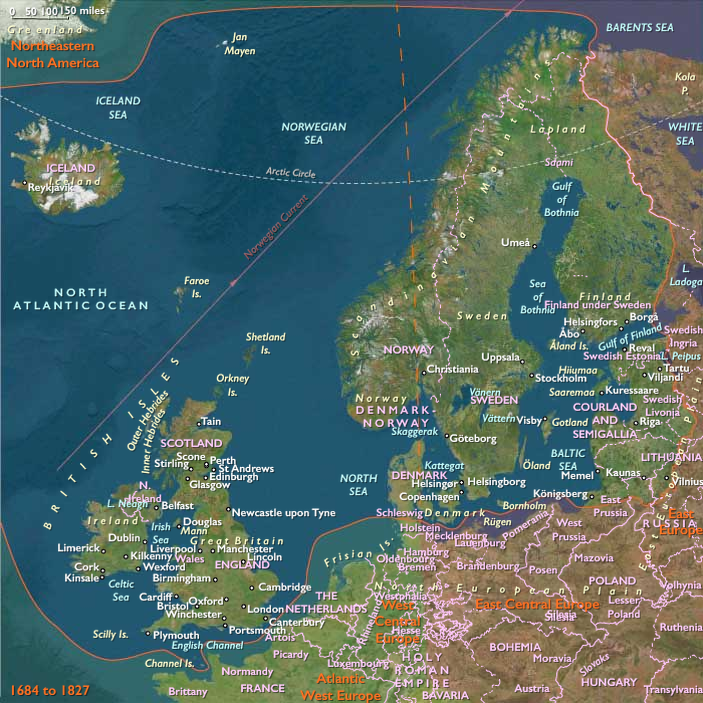
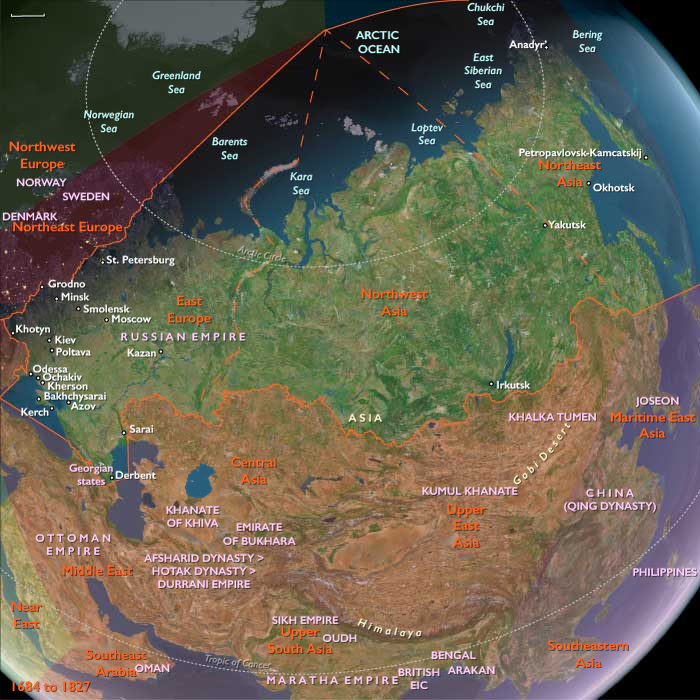
Between 1672 and 1683 CE, Northeast Europe experienced renewed regional rivalries, significant diplomatic shifts, and sustained cultural and economic developments. This era marked the maturation of Swedish absolutism, intensified Danish–Swedish tensions, continued cautious Muscovite expansion, and the steady economic and intellectual growth of urban centers.
Swedish Absolutism and Military Reforms
Under King Charles XI (r. 1672–1697), Sweden solidified its absolutist monarchy, strengthening royal authority through significant administrative and military reforms. Charles XI implemented a comprehensive military reorganization, bolstering Sweden’s defensive capabilities and reinforcing control over Baltic territories, notably Estonia, Livonia, Scania, and key urban centers like Reval (Tallinn), Riga, and Narva.
Danish–Swedish Rivalry and Strategic Maneuvering
Denmark–Norway, under King Christian V (r. 1670–1699), intensified efforts to counterbalance Sweden’s regional dominance. Strategic military preparations and diplomatic maneuvers characterized Danish policies, aiming to reclaim territories lost to Sweden and protect vital Baltic maritime interests, significantly increasing regional tensions.
Polish–Lithuanian Commonwealth's Continued Challenges
The Polish–Lithuanian Commonwealth, under King John III Sobieski (r. 1674–1696), struggled with internal political fragmentation and external pressures from Sweden, Muscovy, and the Ottoman Empire. Despite these challenges, Sobieski’s diplomatic skill and military successes stabilized the Commonwealth's territories, preserving its critical geopolitical role in Northeast Europe.
Muscovy’s Steady Expansion and Diplomacy
Under Tsar Alexis I until 1676, followed by his successor Feodor III, Muscovy maintained cautious territorial ambitions, gradually expanding influence in contested frontier regions. Strategic diplomatic engagements sought incremental gains without provoking large-scale conflicts, laying foundations for future territorial aspirations in the Baltic.
Prussian Consolidation and Economic Strength
The Duchy of Prussia, led by Frederick William I (the Great Elector), further consolidated internal governance, strengthened military capabilities, and maintained strategic neutrality. Königsberg and other Prussian cities flourished economically, reinforcing Prussia’s position as a stable and influential player amid broader regional tensions.
Economic Prosperity and Urban Stability
Major cities including Reval (Tallinn), Riga, Königsberg, and Visby continued to experience economic prosperity. Maritime commerce, active merchant communities, and efficient urban administration ensured sustained economic stability and integration, serving as significant regional economic anchors despite geopolitical uncertainties.
Cultural and Intellectual Continuity
Protestant educational institutions, particularly influenced by Lutheranism, continued flourishing, enhancing literacy rates, scholarly achievements, and cultural expression. Universities and academies supported ongoing intellectual innovation and cultural development, enriching Northeast Europe's cultural identity.
Scientific and Scholarly Developments
Northeast Europe maintained a robust tradition in scientific inquiry and scholarship, building upon intellectual legacies from earlier periods. Continued advancements in astronomy, mathematics, and natural sciences reinforced the region’s reputation as a significant center for early modern intellectual and scientific progress.
Diplomatic Complexity and Strategic Alliances
Diplomatic interactions during this era remained strategically complex, characterized by shifting alliances, cautious negotiations, and careful balancing of territorial ambitions. Relations among Sweden, Denmark–Norway, Poland–Lithuania, Muscovy, and Prussia demonstrated ongoing regional caution, highlighting the delicate diplomatic management necessary for maintaining regional stability.
Legacy of the Era
The period from 1672 to 1683 CE profoundly shaped Northeast Europe through intensified regional rivalries, diplomatic realignments, and sustained cultural and economic advancements. These developments significantly influenced subsequent historical trajectories, establishing enduring regional boundaries, political alliances, and cultural identities for future generations.
East Central Europe (1672–1683 CE): Ottoman Wars, Polish-Lithuanian Struggles, and Prelude to Vienna
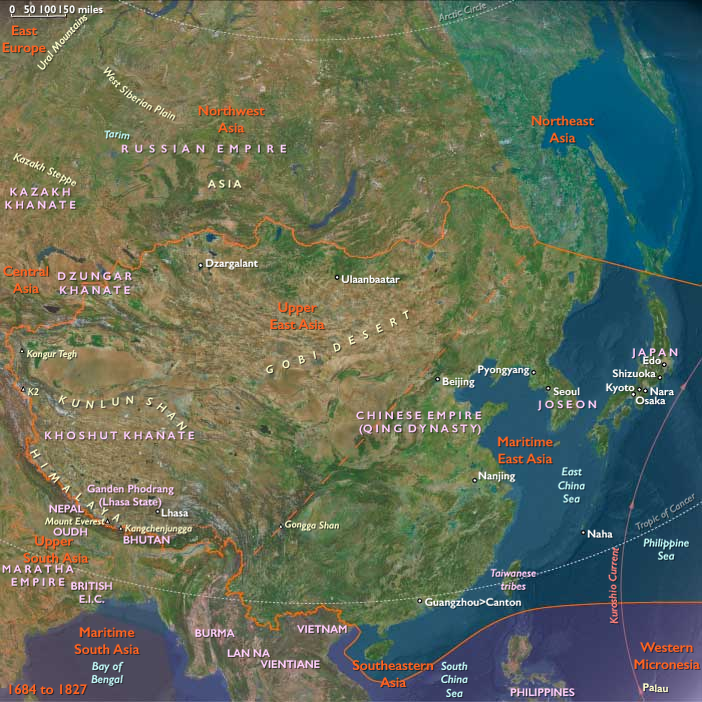
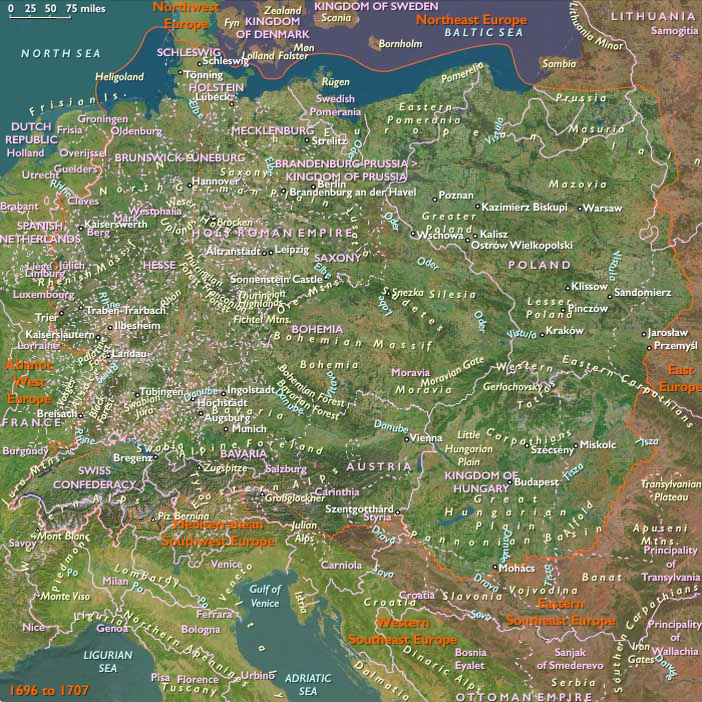
Between 1672 and 1683 CE, East Central Europe—covering modern-day Poland, Czechia, Slovakia, Hungary, and eastern Germany and Austria east of 10°E and north of the defined boundary—faced intensified Ottoman expansion, deepening political instability in the Polish-Lithuanian Commonwealth, and a critical period of preparation culminating in the decisive Battle of Vienna (1683). This era was marked by significant military confrontations, shifting alliances, and intensified defense efforts that profoundly shaped regional stability and geopolitical alignments.
Political and Military Developments
Ottoman Invasions and Polish-Lithuanian Decline
-
The Ottoman Empire, under Sultan Mehmed IV, launched a significant invasion of the Polish-Lithuanian Commonwealth in 1672, capturing the strategic fortress-city of Kamianets-Podilskyi.
-
Poland-Lithuania, weakened by internal divisions, signed the unfavorable Treaty of Buchach (1672), ceding Podolia and agreeing to pay tribute to the Ottoman Empire. King Michał Korybut Wiśniowiecki’s reign (1669–1673) witnessed severe internal strife and declining royal authority.
-
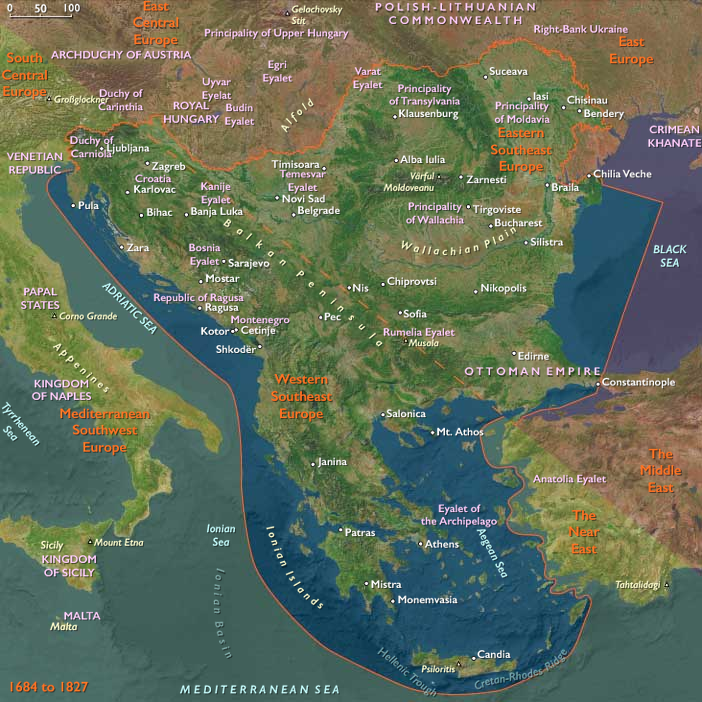
King John III Sobieski (r. 1674–1696) ascended the throne in 1674, gradually stabilizing Poland’s military and political situation, most notably achieving victory against Ottoman forces at the Battle of Chocim (Khotyn, 1673), restoring some regional authority.
Rising Ottoman Pressure on Habsburg Hungary
-
The Ottomans intensified their incursions into Habsburg-controlled Royal Hungary, capturing key fortresses and borderlands.
-
Habsburg Emperor Leopold I (r. 1658–1705) responded by forming defensive alliances, notably with Poland-Lithuania, preparing military fortifications, and strengthening Habsburg defensive strategies along Hungary’s vulnerable border.
Brandenburg-Prussian Diplomatic Realignment
-
Brandenburg-Prussia, under Frederick William, the Great Elector, pursued strategic diplomatic neutrality and careful positioning between the Ottoman Empire, Poland-Lithuania, and Habsburg Austria. His policy reinforced Brandenburg’s growing military strength and diplomatic influence.
Economic and Technological Developments
Economic Strain from Warfare
-
Continuous warfare disrupted trade networks, particularly affecting Hungary, southern Poland, and the Carpathian regions, although German states further west (such as Saxony and Brandenburg) managed modest economic stability and growth.
-
Agricultural productivity and artisanal production were negatively impacted in areas directly affected by Ottoman invasions, particularly southern Poland and Hungary, where rural devastation was substantial.
Cultural and Artistic Developments
Baroque Cultural Resilience
-
Despite disruptions, cultural patronage persisted, particularly in less-affected areas like Bohemia and Austria, where Baroque architecture, religious artwork, and music thrived in major centers such as Prague and Vienna.
-
Ecclesiastical institutions continued promoting religious education, artistic patronage, and literary production, contributing to cultural resilience amidst regional instability.
Settlement and Urban Development
Defensive Urbanization and Fortifications
-
Significant investments in fortifications occurred in cities such as Vienna, Pressburg (Bratislava), Győr, Kraków, and Wrocław, reflecting intensified military preparations against Ottoman invasions.
-
Urban centers away from conflict zones, particularly in Brandenburg-Prussia and Bohemia, continued expanding economically, benefiting from comparative stability.
Social and Religious Developments
Religious Mobilization and Unity
-
Ottoman threats galvanized Catholic religious mobilization, significantly strengthening ecclesiastical influence in Habsburg territories and Poland-Lithuania, reinforcing Catholic cultural and social cohesion.
-
Protestant populations within Brandenburg-Prussia and Saxony maintained relative religious stability, protected under the Westphalian settlement, facilitating regional coexistence.
Prelude to the Battle of Vienna
-
By 1682–1683, Ottoman forces under Grand Vizier Kara Mustafa Pasha mobilized a massive army targeting Vienna, directly threatening Habsburg heartlands.
-
Emperor Leopold I sought alliances, notably with King John III Sobieski of Poland and various German princes, leading to a significant European coalition preparing for the coming decisive confrontation at Vienna.
Long-Term Consequences and Historical Significance
The period 1672–1683 CE represented a critical juncture in East Central European history, characterized by intensified Ottoman aggression, Polish-Lithuanian internal struggles, and extensive military preparations culminating in the 1683 Siege of Vienna. This era's diplomatic realignments, economic disruptions, and defensive strategies significantly reshaped regional alliances and geopolitical dynamics. The preparations and alliances formed in response to the Ottoman threat set the stage for the decisive Christian coalition victory at Vienna, profoundly influencing subsequent European history and halting Ottoman expansion into Central Europe.
Mehmet, followed by his son Ahmet, overhaul the bureaucracy and institute military reforms.
Crete and Lemnos are taken from Venice, and large provinces in Ukraine are wrested temporarily from Poland and Russia.
The Koprulu family also resumes the offensive against Austria, pushing the Ottoman frontier to within one hundred and twenty kilometers of Vienna.
An attempt in 1664 to capture the Habsburg capital is beaten back, but Ahmet Koprulu extorts a huge tribute as the price of a nineteen-year truce.
When it expires in 1683, the Ottoman army again invades Austria, laying siege to Vienna for two months, only to be routed ultimately by a relief force led by the king of Poland, Jan Sobieski.
King Michael Wisniowiecki, a native Pole and descendant of Korybut, brother of King Wladyslaw II Jagiello, had in 1669 been freely elected by the unanimous vote of the Polish nobility but had been chosen chiefly for the merit of his father, Jérémi Wisniowiecki, a great border magnate.
The senior Wisniowiecki had kept in check the Cossacks who, allied with Turks and Tatars, had refused to accept Polish authority in the western Ukraine after the Russo-Polish War of 1658-57; they continue to stage bloody raids in the region.
The junior Wisniowiecki proves to be a passive tool in the hands of the Habsburgs.
The French party, in view of this, rallies round Jan Sobieski, a military commander of rising fame.
Unprepared for war, and torn by internal conflict between the king and the szlachta nobility, the Commonwealth Sejm cannot act to raise taxes and gather a larger army The dissensions between the two camps cost Poland a new defeat at the hands of the united Turks and Cossacks.
The causes of the Polish-Ottoman War of 1672 to 1767 can be traced to 1666, when Petro Doroshenko, Hetman of Right-bank Ukraine, had aimed to gain control of Ukraine but suffered defeats from other factions struggling over control of that region.
Hetman Doroshenko, in final bid to preserve his power in Ukraine, had signed a treaty with Sultan Mehmed IV that recognized the Cossack Hetmanate as a vassal of the Ottoman Empire.
Commonwealth forces had in the meantime been trying to put down unrest in Ukraine, but had been weakened by decades-long wars (the Khmelnytsky Uprising, The Deluge, and the Russo-Polish War of 1654–1667).
Trying to capitalize on that weakness, Tatars, who commonly raid across the Commonwealth borders in search of loot and plunder, had invaded, this time allying themselves with Cossacks under Doroshenko.
They had been stopped, however, by Commonwealth forces under hetman Jan Sobieski, who halted their first push (1666–67), defeating them several times, and finally gaining an armistice after the battle of Podhajce.
Hetman Doroshenko had in 1670, however, tried once again to take over Ukraine, and in 1671 the Khan of Crimea, Adil Giray, supportive of the Commonwealth, had been replaced with a new khan, Selim I Giray, by the Ottoman sultan.
Selim has entered into an alliance with the Doroshenko's Cossacks; but again, as in 1666–67, the Cossack-Tatar forces had been dealt defeats by Sobieski.
Selim now renews his oath of allegiance to the Ottoman Sultan and pleads for assistance, to which the Sultan agrees.
Thus an irregular border conflict escalates into a regular war, as the Ottoman Empire is now prepared to send its regular units onto the battlefield in a bid to try to gain control of this region for itself.
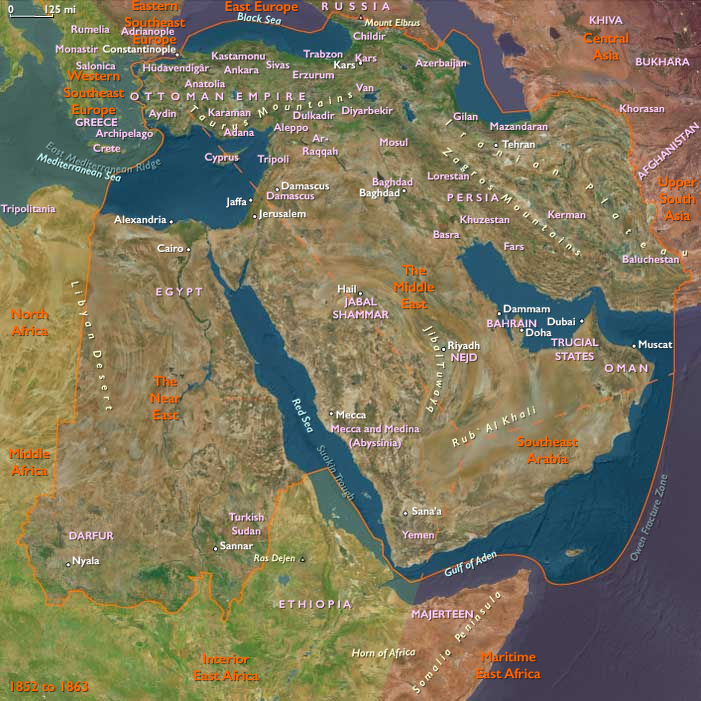
Ottoman forces, numbering eighty thousand men and led by Grand Vizier Köprülü Fazıl Ahmed and Ottoman sultan Mehmed IV, invade the province of Podolia in August, take the Commonwealth fortress at Kamianets-Podilskyi and ...
...besiege Lviv.
Sobieski's forces are too small to meet the Ottoman army head on, and can only score several minor tactical victories over the Ottoman detached units.
The Lipka Rebellion, a mutiny of several choragwie (regiments) of Lipka Tatar cavalry in 1672, which had been serving in the forces of the Polish Lithuanian Commonwealth since the fourteenth century, involves between two thousand and three thousand Tatar soldiers, although exact numbers have not been established.
The immediate cause of the rebellion is arrears of payment of soldiers' wages, although increasing restrictions on their established privileges and religious freedoms also play a role.
Notably, only those Tatar units serving in the army of the Crown rebel, but not the units which serve in the army of the Grand Duchy of Lithuania.
Some sources also state that an unknown number of Chermis, who had been deprived of livelihood by the Chmielnicki Uprising, also joined the rebellion.
As a result of the rebellion, the Lipkas become subjects of the Ottoman Sultan Mehmed IV.
Initially, the mutinied units join forces with Ottoman allied Cossack Hetman Petro Doroshenko and await the anticipated invasion of the Commonwealth by the Sultan's army.
During the campaign of the Polish-Ottoman War the rebels serve as guides and scouts for the Sultan's main army as they are very familiar with the terrain, and as a result cause great harm to the Polish-Lithuanian war effort.
The leader of the mutiny, rotmistrz (rotamaster) Aleksander Kryczynski, is made the Bey of Bar by the Sultan as a reward for his defection.
While the main Turkish army besieges Kamieniec Podolski, the Tatar units pillages and burns the surrounding areas of Podolia.
On several occasions the Lipkas, dressed in Polish uniforms, would ride into Polish villages as allies, then quickly attack and capture the surprised inhabitants.
The Sultan settles some of the Lipkas around Kamieniec after the city's fall.
These will tend to be the Tatars who do not return to the Commonwealth after the end of the rebellion.
The Kamieniec Lipkas still hold on to their separate traditions to this day.