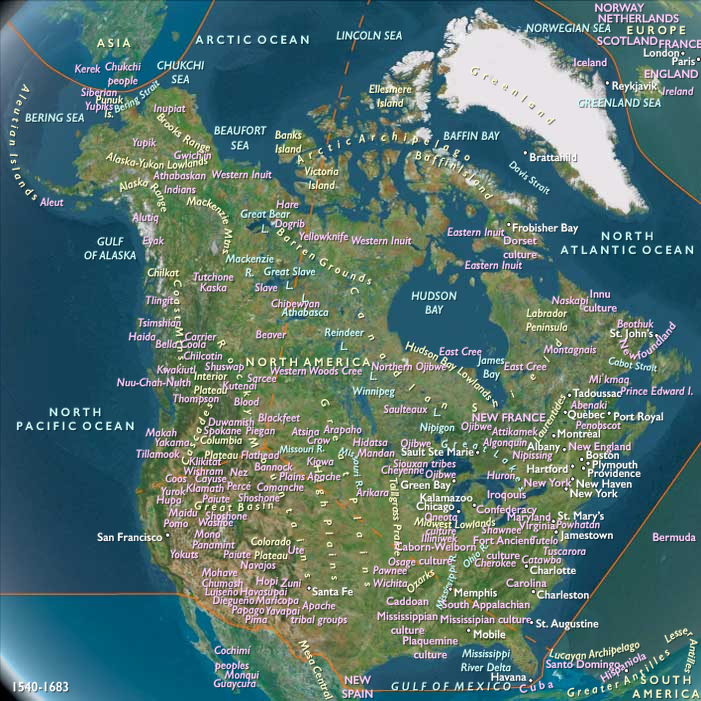
John Cabot had become the first European since the Vikings to discover Newfoundland (although Portuguese explorer João Vaz Corte-Real may have preceded him), landing at Bonavista on June 24, 1497.
Sir Humphrey Gilbert had on August 5, 1583, formally claimed Newfoundland as England's first overseas colony under Royal Prerogative of Queen Elizabeth.
Bristol's Society of Merchant Venturers had decided in 1607 to seek the approval of King James to establish a colony in Newfoundland.
John Guy, a merchant and member of Bristol's Common Council, who had acted as its sheriff from 1605 to 1606, had visited the island in 1608 to scout possible locations for a settlement, selecting Cuper's Cove (present day Cupids) as the site of the colony.
The privy council had accepted a petition by a consortium of London and Bristol merchants and on May 2, 1610, had issued a charter to establish the Newfoundland colony, giving it a monopoly in agriculture, mining, fishing and hunting on the Avalon Peninsula.
Guy, appointed governor of the enterprise, the London and Bristol Company, had set sail from Bristol for Newfoundland on July 3, 1610, with thirt-nine other colonists who had applied for incorporation as the “Treasurer and the Company of Adventures and Planters of the City of London and Bristol for the Colony of Plantation in New found land”.
Arriving at Cupers Cove in August of this year with grain and livestock, they will spend the winter of 1610–1611 in the colony.