John Dudley
1st Duke of Northumberland; English general, admiral, and politician
Years: 1504 - 1553
John Dudley, 1st Duke of Northumberland KG (1504 – 22 August 1553) is an English general, admiral, and politician, who leads the government of the young King Edward VI from 1550 until 1553, and unsuccessfully tries to install Lady Jane Grey on the English throne after the King's death.
The son of Edmund Dudley, a minister of Henry VII whom Henry VIII executed, John Dudley became Sir Edward Guildford's ward at the age of seven.
He grew up in Guildford's household together with his future wife, Guildford's daughter Jane, with whom he is to have 13 children.
Dudley serves as Vice-Admiral and Lord Admiral from 1537 until 1547, during which time he sets novel standards of navy organization and is an innovative commander at sea.
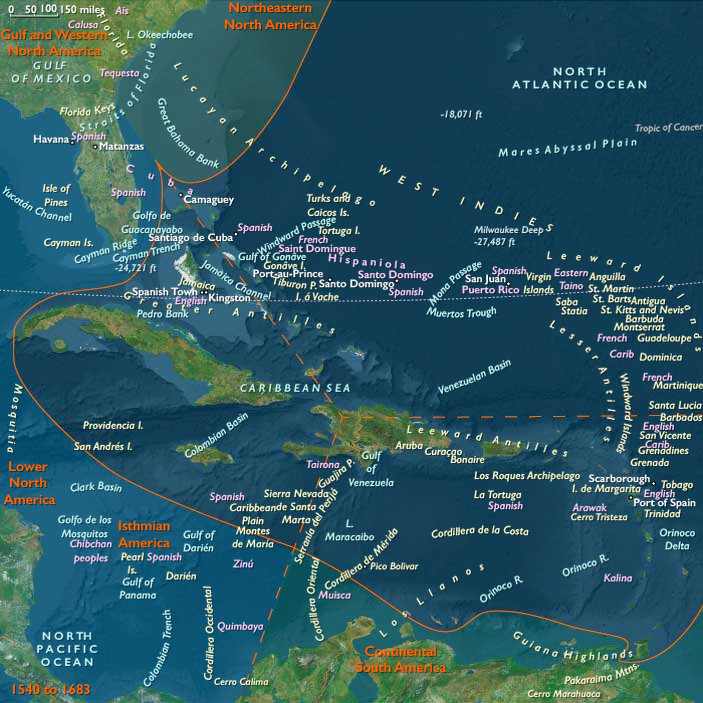
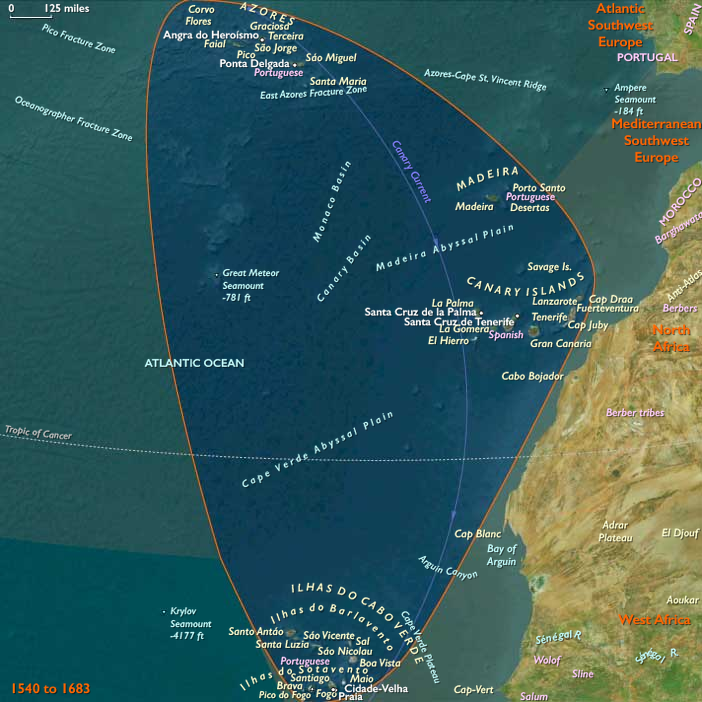
He also develops a strong interest in overseas exploration.
Dudley takes part in the 1544 campaigns in Scotland and France and is one of Henry VIII's intimates in the last years of the reign.
He is also a leader of the religious reform party at court.
In 1547, Dudley is created Earl of Warwick and, with the Duke of Somerset, England's Lord Protector, distinguishes himself in the renewed Scottish war at the Battle of Pinkie.
During the countrywide uprisings of 1549, Dudley puts down Kett's Rebellion in Norfolk.
Convinced of the Protector's incompetence, he and other privy councilors force Somerset out of office in October 1549.
Having averted a conservative reaction in religion and a plot to destroy him alongside Somerset, Dudley emerges in early 1550 as de facto regent for the 12-year-old Edward VI.
He reconciles himself with Somerset, who nevertheless soon begins to intrigue against him and his policies.
Somerset is executed on largely fabricated charges, three months after Dudley had been raised to the Dukedom of Northumberland in October 1551.
As Lord President of the Council, Dudley heads a distinctly conciliar government and seeks to introduce the adolescent King into business.
Taking over an almost bankrupt administration, he endedsthe costly wars with France and Scotland and tackles finances in ways that lead to some economic recovery.
To prevent further uprisings he introduces countrywide policing on a local basis, appointing Lords Lieutenants who are in close contact with the central authority.
Dudley's religious policy is—in accordance with Edward's proclivities—decidedly Protestant, further enforcing the English Reformation and promoting radical reformers to high Church positions.
The 15-year-old King falls ill in early 1553 and excludes his half-sisters Mary and Elizabeth, whom he regards as illegitimate, from the succession, designating nonexistent, hypothetical male heirs.
As his death approaches, Edward changes his will so that his Protestant cousin Jane Grey, Northumberland's daughter-in-law, could inherit the Crown.
To what extent the Duke influences this scheme is uncertain.
The traditional view is that it was Northumberland's plot to maintain his power by placing his family on the throne.
Many historians see the project as genuinely Edward's, enforced by Dudley after the King's death.
The Duke does not prepare well for this occasion.
Having marched to East Anglia to capture Princess Mary, he surrenders on hearing that the Privy Council has changed sides and proclaimed Mary as Queen.
Convicted of high treason, Northumberland returns to Catholicism and abjures the Protestant faith before his execution.
Having secured the contempt of both religious camps, popularly hated, and a natural scapegoat, he becomse the "wicked Duke"—in contrast to his predecessor Somerset, the "good Duke".
Only since the 1970s has he also been seen as a Tudor Crown servant: self-serving, inherently loyal to the incumbent monarch, and an able statesman in difficult times.