John Churchill, 1st Duke of Marlborough
English soldier and diplomat
Years: 1650 - 1722
John Churchill, 1st Duke of Marlborough, Prince of Mindelheim, KG, PC (26 May 1650 – 16 June 1722) (O.S), is an English soldier and statesman whose career spans the reigns of five monarchs through the late 17th and early 18th centuries.
Rising from a lowly page at the court of the House of Stuart, he loyally serves James, Duke of York, through the 1670s and early 1680s, earning military and political advancement through his courage and diplomatic skill.
Churchill's role in defeating the Monmouth Rebellion in 1685 helps secure James on the throne, yet just three years later he abandons his Catholic patron for the Protestant Dutchman, William of Orange.
Honored for his services at William's coronation with the earldom of Marlborough, he serves with further distinction in the early years of the Nine Years' War, but persistent charges of Jacobitism bring about his fall from office and temporary imprisonment in the Tower.
It is not until the accession of Queen Anne in 1702 that Marlborough reaches the zenith of his powers and secures his fame and fortune.
His marriage to the hot-tempered Sarah Jennings – Anne's intimate friend – ensures Marlborough's rise, first to the Captain-Generalcy of British forces, then to a dukedom.
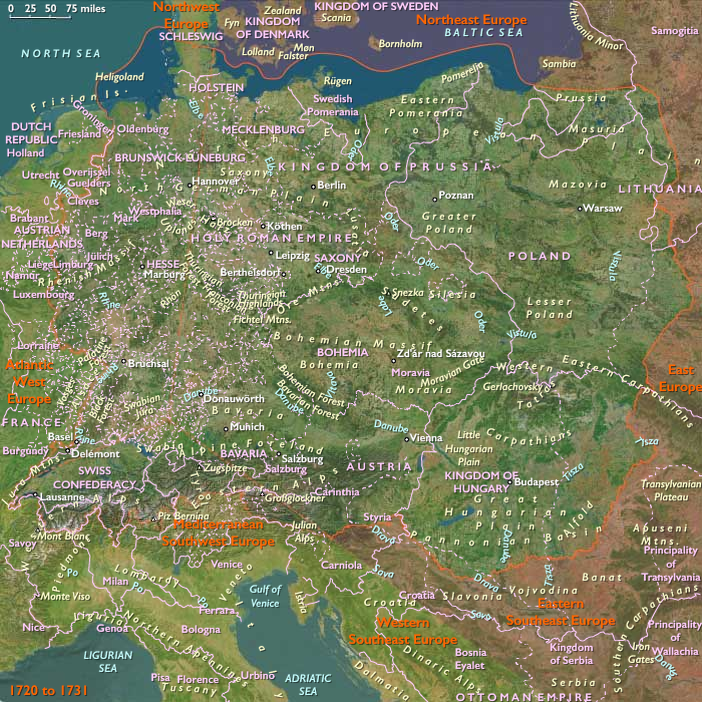
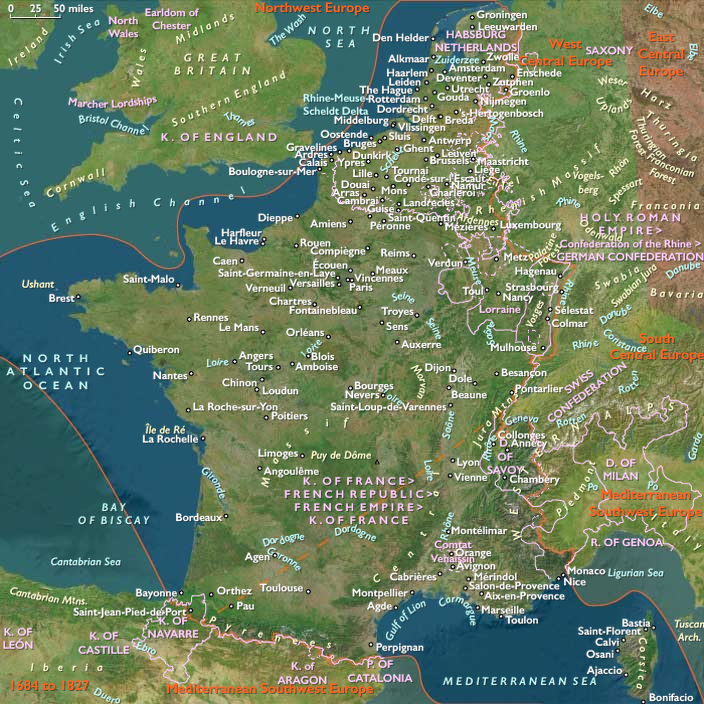
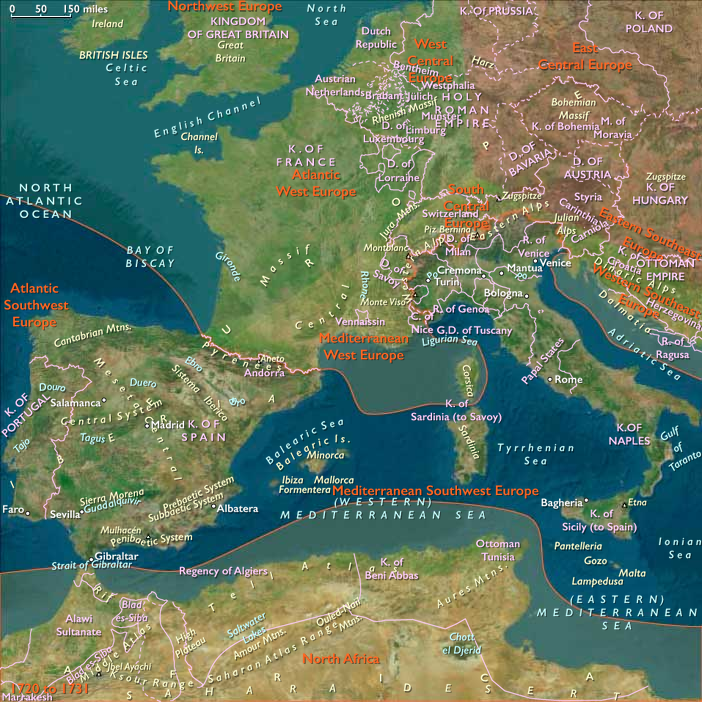
Becoming de facto leader of Allied forces during the War of the Spanish Succession, his victories on the fields of Blenheim (1704), Ramillies (1706), Oudenarde (1708), and Malplaquet (1709), ensure his place in history as one of Europe's great generals.
But his wife's stormy relationship with the Queen, and her subsequent dismissal from court, is central to his own fall.
Incurring Anne's disfavor, and caught between Tory and Whig factions, Marlborough, who had brought glory and success to Anne's reign, is forced from office and goes into self-imposed exile.
He returns to England and to influence under the House of Hanover with the accession of George I to the British throne in 1714, but following a series of strokes in later age his health gradually deteriorates, and he dies on June 16, 1722 (O.S), at Windsor Lodge.
Marlborough's insatiable ambition propelled him from poor obscurity to prominence in British and European affairs, becoming the richest of all Anne's subjects.
His family connections wove him into the fabric of European politics (his sister Arabella became James II's mistress, and their son, the Duke of Berwick, emerged as one of Louis XIV's greatest Marshals).
Throughout ten consecutive campaigns during the Spanish Succession war Marlborough held together a discordant coalition through his sheer force of personality and raised the standing of British arms to a level not known since the Middle Ages.
Although in the end he could not extort total capitulation from his enemies, his victories allowed Britain to rise from the periphery of influence to major power status, thus ensuring the country's growing prosperity throughout the 18th century.