Filters:
John Barrow, 1st Baronet
English statesman and writer
Years: 1764 - 1848
Sir John Barrow, 1st Baronet, FRS, FRGS (June 19, 1764 – November 23, 1848) is an English statesman and writer.
Related Events
Filter results
Showing 10 events out of 25 total
Macartney chooses George Staunton as his right-hand man, whom he entrusts to continue the mission should Macartney himself prove unable to do so.
Staunton will bring along his son, Thomas, who serves the mission as a page.
John Barrow (later Sir John Barrow, 1st Baronet) serves as the embassy's comptroller.
Joining the mission are two doctors (Hugh Gillan and William Scott), two secretaries, three attachés, and a military escort.
Artists William Alexander and Thomas Hickey will produce drawings and paintings of the mission's events.
A group of scientists will also accompany the embassy, led by James Dinwiddie.
The mission will bring along four Chinese Catholic priests as interpreters.
Two are from the Collegium Sinicum in Naples, where George Staunton had recruited them.
They are familiar with Latin, but not English.
The other two are priests returning to China, to whom Staunton offers free passage to Macau.
The one hundred-member delegation will also include scholars and valets.
View Event
Staunton will bring along his son, Thomas, who serves the mission as a page.
John Barrow (later Sir John Barrow, 1st Baronet) serves as the embassy's comptroller.
Joining the mission are two doctors (Hugh Gillan and William Scott), two secretaries, three attachés, and a military escort.
Artists William Alexander and Thomas Hickey will produce drawings and paintings of the mission's events.
A group of scientists will also accompany the embassy, led by James Dinwiddie.
The mission will bring along four Chinese Catholic priests as interpreters.
Two are from the Collegium Sinicum in Naples, where George Staunton had recruited them.
They are familiar with Latin, but not English.
The other two are priests returning to China, to whom Staunton offers free passage to Macau.
The one hundred-member delegation will also include scholars and valets.
Sir Joseph Banks is among those who have called for a mission to China.
Banks had been the botanist on board the HMS Endeavour for the first voyage of Captain James Cook, as well as the driving force behind the 1787 expedition of the HMS Bounty to Tahiti.
As president of the Royal Society, Banks, who has been growing tea plants privately since 1780, has ambitions to gather valuable plants from all over the world to be studied at the Royal Botanic Gardens at Kew and the newly established Calcutta Botanical Garden in Bengal.
Above all, he wants to grow tea in Bengal or Assam, and address the "immense debt of silver" caused by the tea trade.
At this time, botanists are not yet aware that a variety of the tea plant (camellia sinensis var. assamica) is already growing natively in Assam, a fact that Robert Bruce will discover in 1823.
Banks advises the embassy to gather as many plants as possible in their travels, especially tea plants.
He had also insisted that gardeners and artists be present on the expedition to make observations and illustrations of local flora.
Accordingly, David Stronach and John Haxton will serve as the embassy's botanical gardeners.
View Event
Banks had been the botanist on board the HMS Endeavour for the first voyage of Captain James Cook, as well as the driving force behind the 1787 expedition of the HMS Bounty to Tahiti.
As president of the Royal Society, Banks, who has been growing tea plants privately since 1780, has ambitions to gather valuable plants from all over the world to be studied at the Royal Botanic Gardens at Kew and the newly established Calcutta Botanical Garden in Bengal.
Above all, he wants to grow tea in Bengal or Assam, and address the "immense debt of silver" caused by the tea trade.
At this time, botanists are not yet aware that a variety of the tea plant (camellia sinensis var. assamica) is already growing natively in Assam, a fact that Robert Bruce will discover in 1823.
Banks advises the embassy to gather as many plants as possible in their travels, especially tea plants.
He had also insisted that gardeners and artists be present on the expedition to make observations and illustrations of local flora.
Accordingly, David Stronach and John Haxton will serve as the embassy's botanical gardeners.
More British subjects have been trading in China than any other Europeans.
Despite this, the British have no direct contact with the emperor, in contrast to the Portuguese, whose Jesuit missionaries retain permanent positions at the imperial court.
Henry Dundas, Viscount Melville, officially instructs Lord Macartney to negotiate a relaxation of the Canton System, such that British traders can operate in more ports and markets, and to obtain a small island on the Chinese coast from which British merchants can operate under British jurisdiction.
He is also to establish a permanent embassy in Beijing so as to create a direct line of communication between the two governments, cutting out the Cantonese merchants who had served as middlemen.
Finally, he is to gather intelligence on the Chinese government and society, about which little is known in Europe at this time.
The instructions from Dundas also stipulate that Macartney should establish trade relations with other nations of the East.
To this effect, Macartney is given letters of credence to the Emperor of Japan, to be executed after completing his mission to China.
The instructions state that it may be useful for him to visit Japan to establish trade relations, particularly to enable a trade in tea.
Despite the misgivings of the East India Company about the potential downsides of the mission, the Company is compelled by the government to fund the effort.
Dundas and Macartney prioritize national interests over those of the Company, which fears the loss of its monopoly position, and the possibility that the embassy will strain diplomatic relations instead of improving them.
By sending a direct representative of the British crown, British politician and later Foreign Secretary Lord Grenville reasons that the mission will be given greater attention than if it had been sent "only in the name of a trading company".
One of the goals of the embassy is to demonstrate the utility of British science and technology, in hopes of encouraging Chinese purchases of British goods.
In keeping with these objectives, the mission is to bring with it a number of gifts including clocks, telescopes, weapons, textiles, and other products of technology.
Macartney intends the display of technical prowess to reflect Britain's "national character", one of ingenuity, exploration, and curiosity about the natural world.
Nevertheless, Dundas reminds him that the mission is not "a delegation of the Royal Society"
View Event
Despite this, the British have no direct contact with the emperor, in contrast to the Portuguese, whose Jesuit missionaries retain permanent positions at the imperial court.
Henry Dundas, Viscount Melville, officially instructs Lord Macartney to negotiate a relaxation of the Canton System, such that British traders can operate in more ports and markets, and to obtain a small island on the Chinese coast from which British merchants can operate under British jurisdiction.
He is also to establish a permanent embassy in Beijing so as to create a direct line of communication between the two governments, cutting out the Cantonese merchants who had served as middlemen.
Finally, he is to gather intelligence on the Chinese government and society, about which little is known in Europe at this time.
The instructions from Dundas also stipulate that Macartney should establish trade relations with other nations of the East.
To this effect, Macartney is given letters of credence to the Emperor of Japan, to be executed after completing his mission to China.
The instructions state that it may be useful for him to visit Japan to establish trade relations, particularly to enable a trade in tea.
Despite the misgivings of the East India Company about the potential downsides of the mission, the Company is compelled by the government to fund the effort.
Dundas and Macartney prioritize national interests over those of the Company, which fears the loss of its monopoly position, and the possibility that the embassy will strain diplomatic relations instead of improving them.
By sending a direct representative of the British crown, British politician and later Foreign Secretary Lord Grenville reasons that the mission will be given greater attention than if it had been sent "only in the name of a trading company".
One of the goals of the embassy is to demonstrate the utility of British science and technology, in hopes of encouraging Chinese purchases of British goods.
In keeping with these objectives, the mission is to bring with it a number of gifts including clocks, telescopes, weapons, textiles, and other products of technology.
Macartney intends the display of technical prowess to reflect Britain's "national character", one of ingenuity, exploration, and curiosity about the natural world.
Nevertheless, Dundas reminds him that the mission is not "a delegation of the Royal Society"
The Macartney embassy to China departs Portsmouth aboard three ships on September 26, 1792.
The warship HMS Lion, commanded by Captain Sir Erasmus Gower, leads the mission.
The Hindostan, belonging to the East India Company (and later purchased by the Royal Navy as HMS Hindostan), is commanded by Captain William Mackintosh.
These two vessels are accompanied by a brig, the Jackall.
View Event
The warship HMS Lion, commanded by Captain Sir Erasmus Gower, leads the mission.
The Hindostan, belonging to the East India Company (and later purchased by the Royal Navy as HMS Hindostan), is commanded by Captain William Mackintosh.
These two vessels are accompanied by a brig, the Jackall.
A storm soon hits the squadron, forcing it to stop temporarily at Tor Bay.
After making repairs, the Lion and Hindostan resume their voyage without the Jackall, which had gone missing in the storm.
Fortunately, the gifts to be presented to the emperor are stored on the Lion and the Hindostan.
Thomas Staunton will spend the voyage studying Chinese with the mission's interpreters.
View Event
After making repairs, the Lion and Hindostan resume their voyage without the Jackall, which had gone missing in the storm.
Fortunately, the gifts to be presented to the emperor are stored on the Lion and the Hindostan.
Thomas Staunton will spend the voyage studying Chinese with the mission's interpreters.
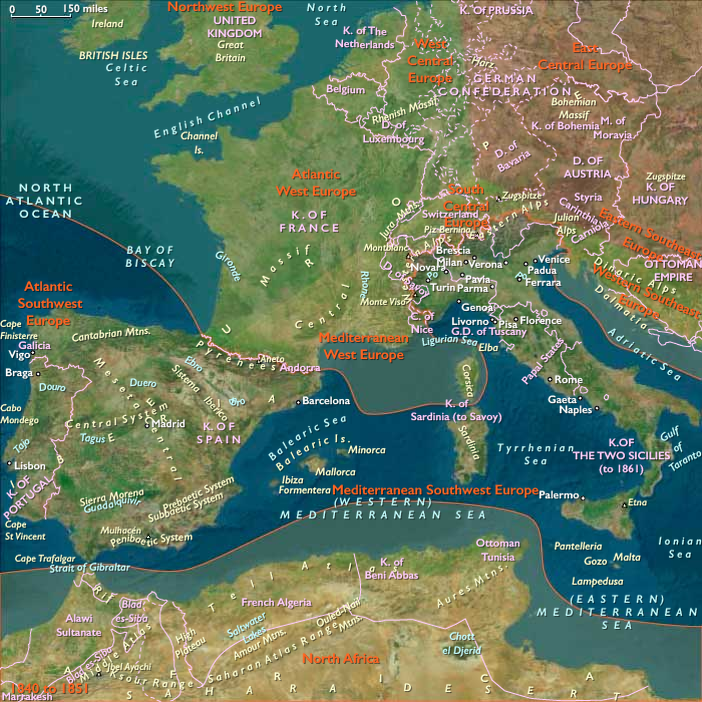
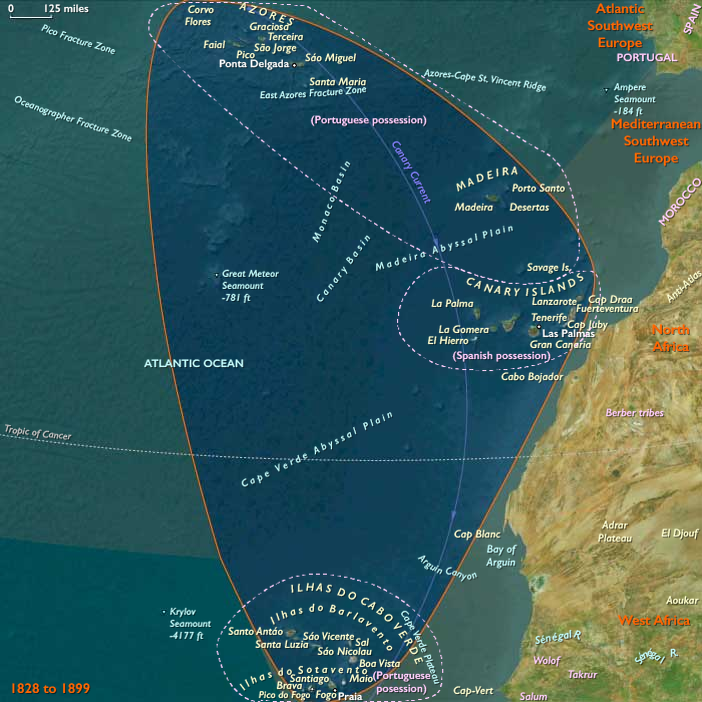
In early October, Earl Macartney's squadron made a stop at Madeira, followed by the Canary Islands later that month.
On November 1, 1792, they reached Cape Verde, waiting for five days for the arrival of the Jackall before continuing their journey.
View Event
On November 1, 1792, they reached Cape Verde, waiting for five days for the arrival of the Jackall before continuing their journey.
The trade winds off the coast of Africa force the Macartney squadron to sail west all the way to Rio de Janeiro, where they had arrived at the end of November.
Macartney suffers an attack of gout that lasts a month.
As young Thomas Staunton studies the Chinese language, Macartney learns everything he can about China from the books he has placed in the Lion's library.
View Event
Macartney suffers an attack of gout that lasts a month.
As young Thomas Staunton studies the Chinese language, Macartney learns everything he can about China from the books he has placed in the Lion's library.
The Macartney expedition had departed Rio de Janeiro on 17 December and sailed east once more, rounding the Cape of Good Hope on January 7. 1793.
They had passed Java in February, and reach Jakarta (at this time known as Batavia) on March 6.
Here, they buy a French brig, which they christen the Clarence, to replace the missing Jackall.
The Jackall itself, however, rejoins the squadron at Jakarta, after having turned back for repairs after the storm that had struck the ships at the start of their voyage.
View Event
They had passed Java in February, and reach Jakarta (at this time known as Batavia) on March 6.
Here, they buy a French brig, which they christen the Clarence, to replace the missing Jackall.
The Jackall itself, however, rejoins the squadron at Jakarta, after having turned back for repairs after the storm that had struck the ships at the start of their voyage.
Macartney's full squadron had sailed on to Macau, where they arrive on June 19, 1793.
Here, George Staunton disembarks to meet with officials of the East India Company.
The two Chinese Catholic priests who had been offered free passage to Macau depart here, along with one of the two priests from Naples, leaving only one Chinese interpreter with the mission.
For the next leg of the trip, Macartney and Dundas intend to avoid Guangzhou altogether.
Instead of proceeding overland from here, the plan is for the embassy to continue by sea to Tianjin, the closest major port to Beijing.
View Event
Here, George Staunton disembarks to meet with officials of the East India Company.
The two Chinese Catholic priests who had been offered free passage to Macau depart here, along with one of the two priests from Naples, leaving only one Chinese interpreter with the mission.
For the next leg of the trip, Macartney and Dundas intend to avoid Guangzhou altogether.
Instead of proceeding overland from here, the plan is for the embassy to continue by sea to Tianjin, the closest major port to Beijing.
Representatives of the East India Company had met with the military governor of Guangdong ahead of Macartney's arrival, in order to request permission for the embassy to land at Tianjin instead of Guangzhou.
The governor had at first refused, as it is considered improper for a tributary mission to select its own port of arrival.
The British officials had pointed out, however, that the ships carry many large, precious items that might be damaged if taken overland.
Moreover, as the governor notes in his report to the emperor, the embassy has journeyed a great distance, and will be greatly delayed if sent back to Guangzhou from Tianjin.
The Qianlong Emperor agrees to the request, and instructs his officials to lead the embassy to him with the utmost civility.
The emperor's response is brought back to Guangzhou by General Fuk'anggan, Viceroy of Liangguang, who had recently returned after fighting in the Sino-Nepalese War.
View Event
The governor had at first refused, as it is considered improper for a tributary mission to select its own port of arrival.
The British officials had pointed out, however, that the ships carry many large, precious items that might be damaged if taken overland.
Moreover, as the governor notes in his report to the emperor, the embassy has journeyed a great distance, and will be greatly delayed if sent back to Guangzhou from Tianjin.
The Qianlong Emperor agrees to the request, and instructs his officials to lead the embassy to him with the utmost civility.
The emperor's response is brought back to Guangzhou by General Fuk'anggan, Viceroy of Liangguang, who had recently returned after fighting in the Sino-Nepalese War.
Loading...