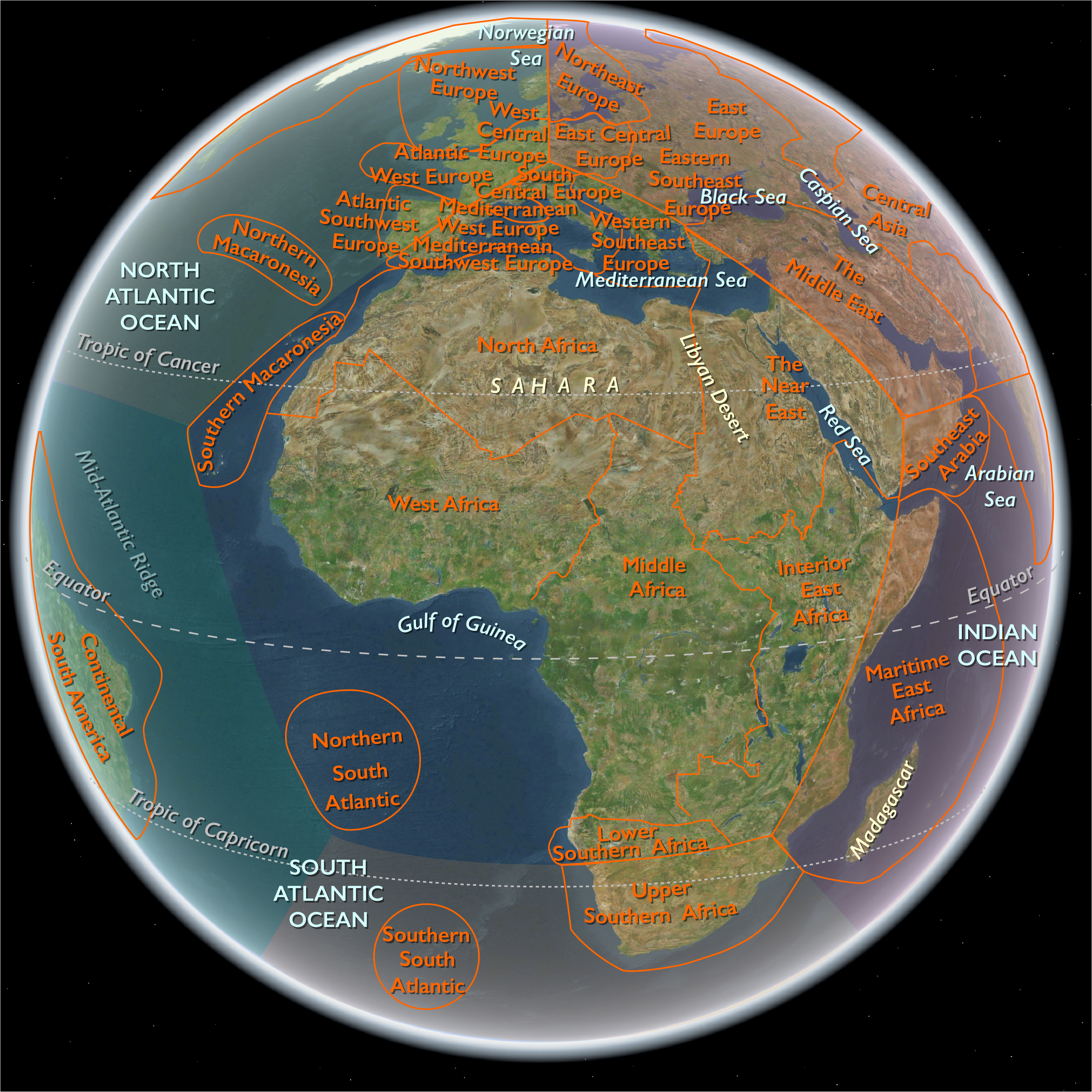
Middle Africa (1396–1539 CE): Equatorial Forests, River Corridors, and Atlantic Horizons
Geographic & Environmental Context
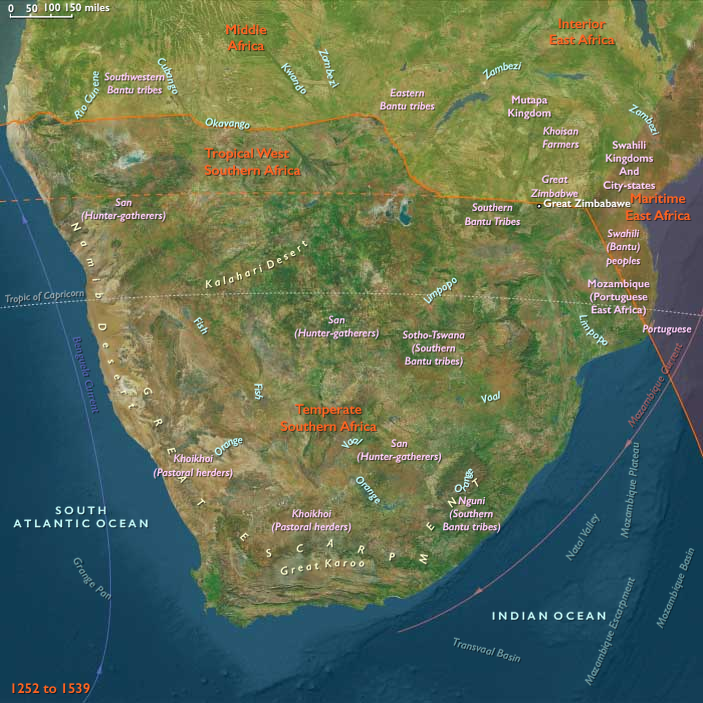
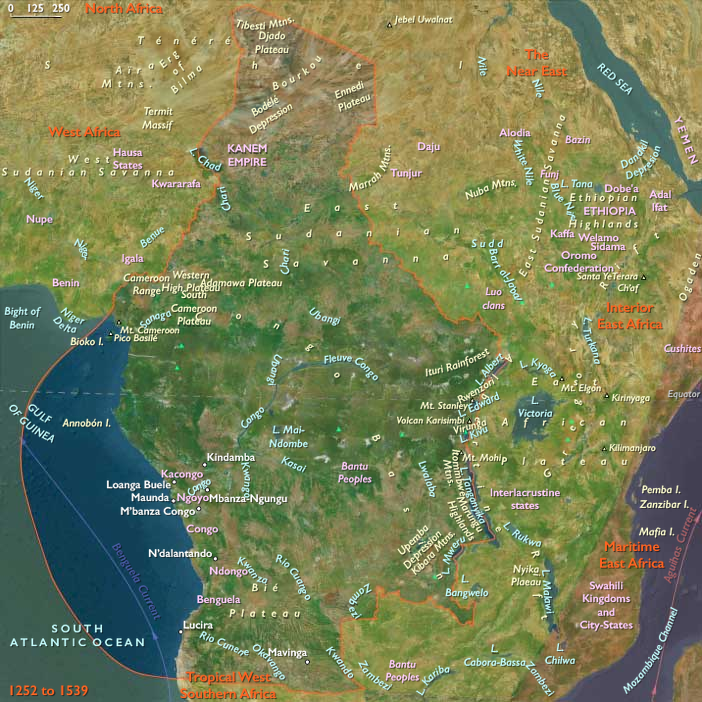
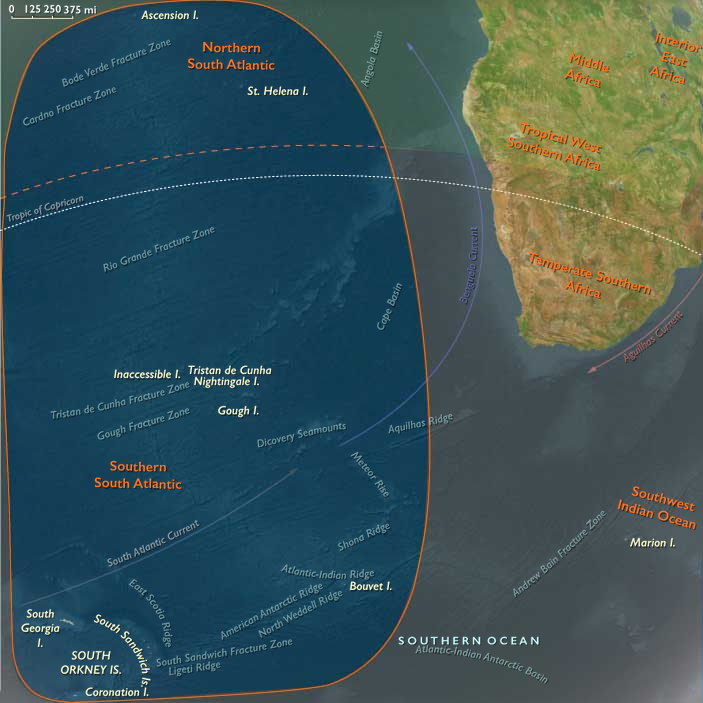
The subregion of Middle Africa includes Chad, the Central African Republic, Cameroon, Equatorial Guinea, São Tomé and Príncipe, Gabon, the Republic of the Congo, the Democratic Republic of the Congo, and Angola.Anchors include the Congo River basin and its tributaries (Ubangi, Kasai), the Gulf of Guinea islands (São Tomé, Príncipe), the Atlantic mangrove–estuary belt, the Cameroon Highlands, and the northern savanna–Sahel fringetoward Lake Chad. This is a world where dense evergreen forests yield to mosaics of woodland, floodplain, and savanna, threaded by some of Earth’s most voluminous rivers.
Climate & Environmental Shifts
The Little Ice Age introduced modest cooling and shifts in rainfall seasonality. Equatorial belts retained high annual precipitation, but interannual variability—longer dry seasons in some decades, intensified rains in others—reshaped farming calendars and fish runs. Along the Atlantic coast, estuaries and mangroves buffered storm surges; inland, floodplains rose and fell with the Congo’s pulse, redistributing soils and fisheries.
Subsistence & Settlement
Households combined shifting cultivation (sorghum, pearl millet on northern fringes; plantain, yam, taro, and bananas in forest belts) with cassava’s gradual spread (accelerating later, but present in pockets by this era), plus oil palm, legumes, gourds, and leafy greens. Riverine and lacustrine fisheries furnished key protein; forest hunting and gathering (duiker, bushpig, wild fruits, kola, honey) remained integral. Settlement patterns ranged from riverside towns and hill-foot villages to dispersed hamlets along canoe routes and forest paths. In the far north, Lake Chad basincommunities practiced flood-recession farming and herding.
Technology & Material Culture
Ironworking thrived: hoes, axes, knives, and spearheads supplied farms and hunting; blacksmiths held ritual esteem. Canoe carpentry produced long dugouts for river trade; basketry and pottery stored grain and palm oil. In forest polities, raffia textiles, barkcloth, and beadwork marked status. Copper and salt circulated from regional sources; carved ivories and wood sculpture expressed courtly and ritual aesthetics. Early coastal contacts brought small quantities of European cloth and metal goods by the early 16th century, but inland systems remained largely endogenous.
Movement & Interaction Corridors
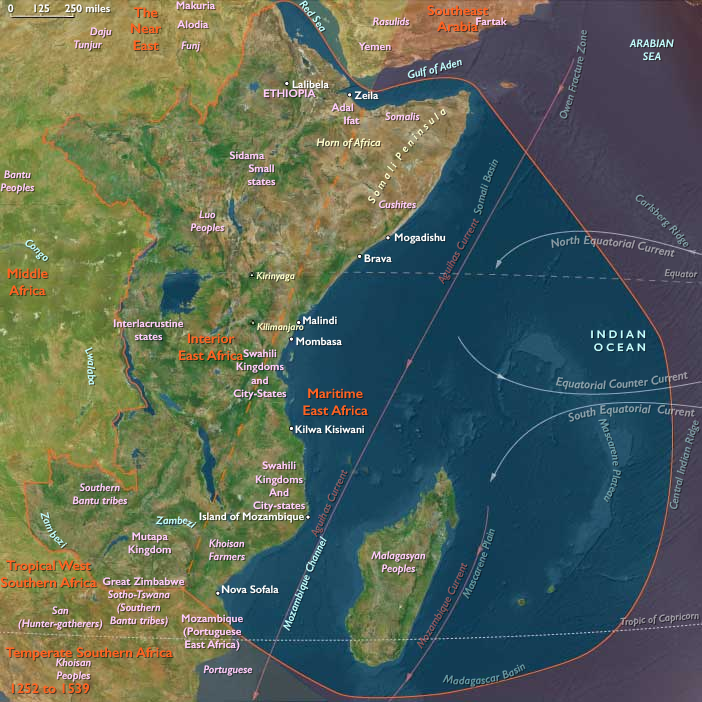
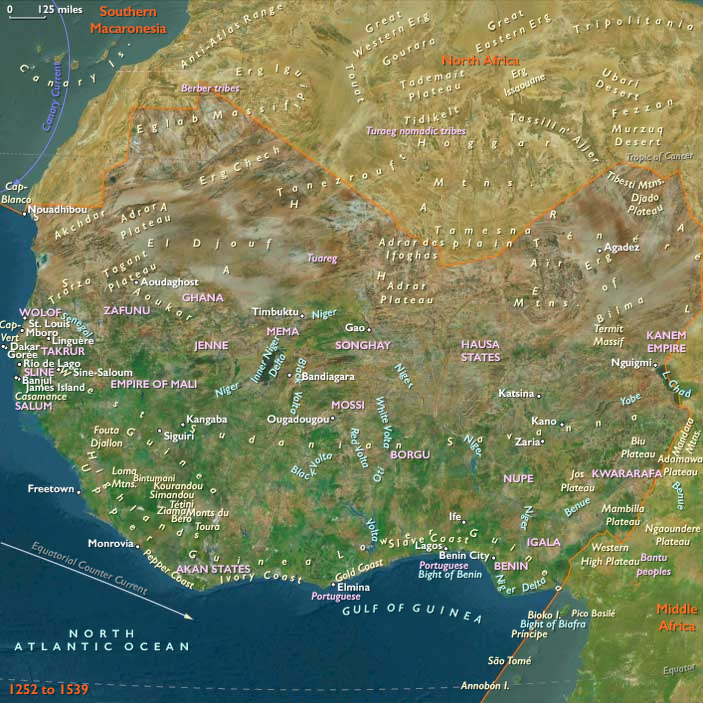
The Congo–Kasai–Ubangi waterways were the great arteries, moving palm oil, salt, fish, smoked meat, raffia cloth, and ironware among river towns. Overland paths crossed the Mayombe and Plateaux Batéké, linking forest and savanna markets. To the north, caravan paths brushed the Sahel–Lake Chad edge, exchanging salt, kola, and textiles. From the late 15th century, Atlantic corridors opened: Portuguese ships probed the Kongo–Angola littoral, touching São Tomé and Príncipe (colonized as sugar and way-stations) and forging ties with coastal polities near the Congo estuary and Angola.
Cultural & Symbolic Expressions
Political authority ranged from acephalous village federations to centralized courts. Along the lower Congo, the Kingdom of Kongo—a regional power by the late 15th century—projected influence through provincial lineages, tribute, and ritual kingship. Across forest belts, initiation societies structured life stages; masked dances, ancestor shrines, and sacred groves anchored moral order. Praise poetry and drum speech memorialized rulers and genealogies; sculptural arts (ivory, wood) encoded sovereignty and cosmology. Northward, Sahel–savanna Islam brushed Middle Africa’s margins via traders and scholars, without displacing local ritual life.
Environmental Adaptation & Resilience
Farming systems hedged risk through multicropping, staggered planting, and field rotation; fallow cycles regenerated soils. Floodplain agriculture followed river pulses; smoked fish and dried grains bridged hungry seasons. Forest households balanced gardens with foraging and hunting, guided by ritual taboos that conserved keystone species. In drier zones, mobile herding and dry-season wells buffered drought. Trade networks redistributed surpluses after crop failure, while kinship and initiation societies mobilized labor for clearing, house-building, and canal/landing-site upkeep.
Transition
By 1539 CE, Middle Africa was interlaced by river trade and forest pathways, with Kongo ascendant on the lower river and Atlantic contact growing at coastal nodes and on São Tomé and Príncipe. Inland subsistence systems remained resilient and diverse; courtly and village religions flourished; blacksmiths, canoe builders, and ritual specialists sustained everyday life. The next age would tighten the Atlantic hinge—sugar, Christianity at Kongo’s court, and an accelerating slave trade—reshaping corridors that had long run with the current of the Congo.