Jigme Dorji Wangchuck
3rd King (Druk Gyalpo) of Bhutan
Years: 1929 - 1972
Jigme Dorji Wangchuck (May 2, 1929 – 21 July 1972) is the Third Druk Gyalpo of Bhutan.
He begins to open Bhutan to the outside world, begins modernization, and takes the first steps toward democratization.
Upon succeeding his father, Jigme Wangchuck, on 27 October 1952, Jigme Dorji Wangchuck puts an end to feudalism and slavery and releases all remaining serfs.
He encourages certain modern inventions to assist the local peasantry and introduces wheeled vehicles, where previously the transportation of crops and people was done manually.
He establishes a High court and reorganizes the judicial system.
In 1953, he establishes the Tshogdu or National Assembly – Bhutan's first unicameral Parliament.
During his reign Bhutan's first planned economic development plan is drafted.
In 1961, a five-year economic development plan is launched for the years 1961–1966.
Bhutan is still following this economic development plan.
He creates Bhutan's first Council of Ministers in 1968.
In 1963, Bhutan joins the Colombo Plan.
During his 20-year reign, 1770 km of roads are constructed, the number of schools rises to 102 and 6 hospitals are established.
In 1971, he sets up a Planning Commission.
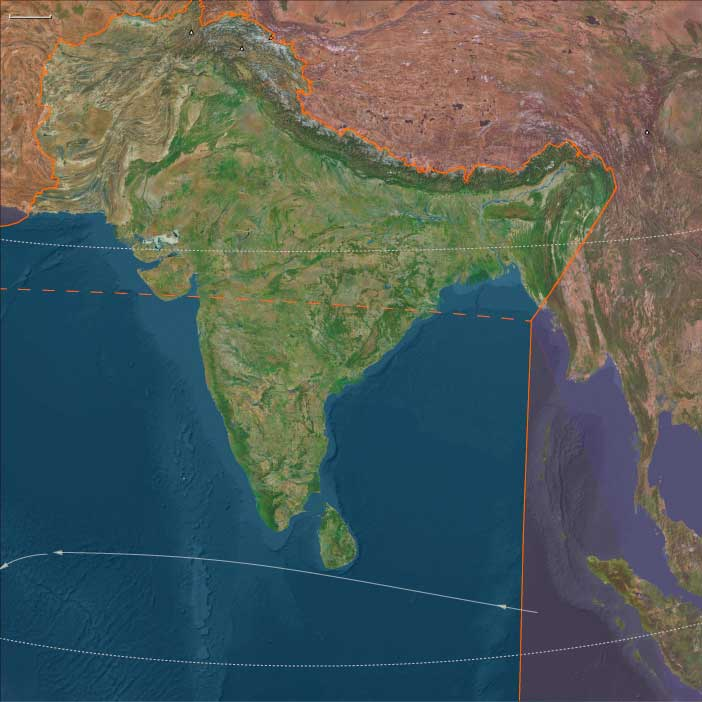
Neighboring Tibet's union with the People's Republic of China in 1951 encourages the king to foster stronger ties with foreign nations, especially India, and culminates with Bhutan joining the United Nations in 1971.
At the same time, he empowers the National Assembly to remove him or any of his successors with a two-thirds majority.
Jigme Dorji Wangchuck suffers his first heart attack at the age of twenty.
He makes frequent visits overseas for medical treatment, dying in Nairobi, Kenya, while receiving medical treatment in 1972.