Jeremiah
prophet
Years: 655BCE - 575BCE
Jeremiah, meaning "Yahweh exalts", also called the "Weeping prophet" is one of the major prophets of the Hebrew Bible.
Jeremiah is traditionally credited with authoring the Book of Jeremiah, 1 Kings, 2 Kings and the Book of Lamentations with the assistance and under the editorship of Baruch ben Neriah, his scribe and disciple.
Judaism considers the Book of Jeremiah part of its canon, and regards Jeremiah as the second of the major prophets.
Islam also considers Jeremiah a prophet.
Christianity also regards Jeremiah as a prophet and he is quoted in the New Testament.
According to the Book of Jeremiah, Jeremiah was a kohen (Jewish priest), from a landowning family.
It is mentioned that he had a joyful early life, however, the difficulties in Jeremiah and the Book of Lamentations have prompted scholars to refer to him as "the weeping prophet".
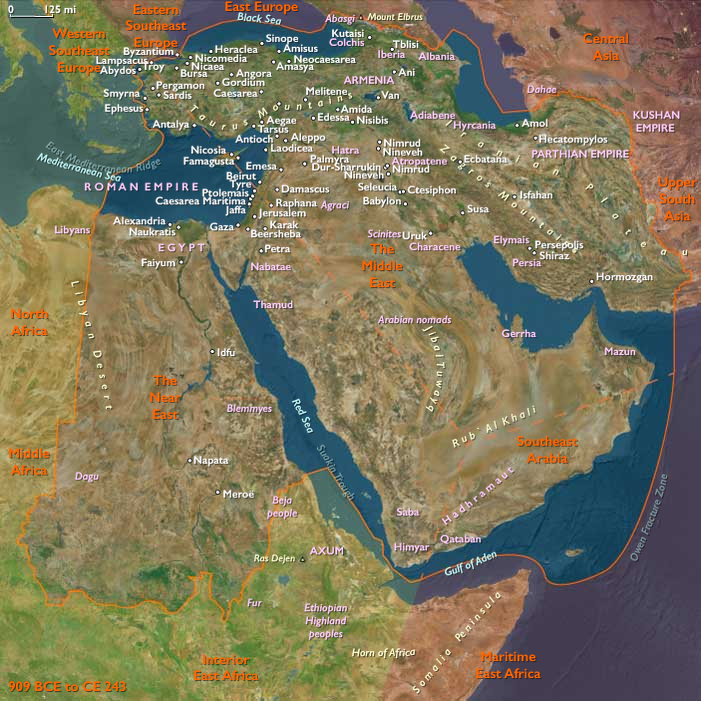
Jeremiah was called to prophetic ministry in c. 626 BCE, a few years after King Josiah of Judah had turned the nation toward repentance from the widespread idolatrous practices of his father and grandfather.
Jeremiah’s job was to reveal the sins of the people and explain the reason for the impending disaster (destruction by the Babylonian army and captivity), “And when your people say, 'Why has the LORD our God done all these things to us?'
you shall say to them, 'As you have forsaken me and served foreign gods in your land, so you shall serve foreigners in a land that is not yours.'"
God’s personal message to Jeremiah, “Attack you they will, overcome you they can’t,” was fulfilled many times in the Biblical narrative, Jeremiah was attacked by his own brothers, beaten and put into the stocks by a priest and false prophet, imprisoned by the king, threatened with death, thrown into a cistern by Judah’s officials,[ and opposed by a false prophet.
When Nebuchadnezzar seized Jerusalem in 586 BCE, he ordered that Jeremiah be freed from prison and treated well.