Jean-Pierre Boyer
2nd President of the Republic of Haiti
Years: 1776 - 1850
Jean-Pierre Boyer (possibly February 15, 1776 – July 9, 1850), a native of Saint-Domingue, is a soldier, one of the leaders of the Haitian Revolution, and President of Haiti from 1818 to 1843.
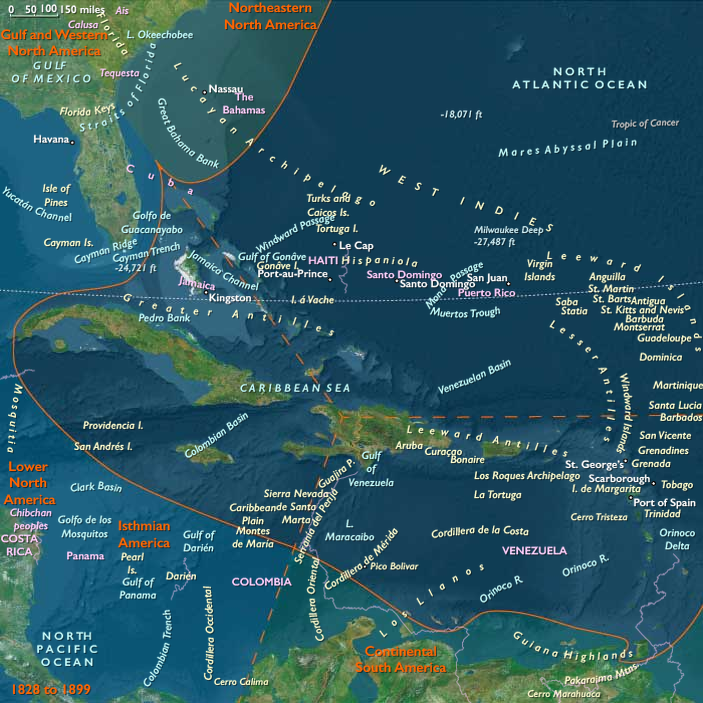
He reunites the north and south of Haiti in 1820 and also invades and takes control of Santo Domingo, which brings all of Hispaniola under one government by 1822.
Boyer manages to rule for the longest period of time of any of the revolutionary leaders of his generation.
Born a free gens de couleur (or mulatto) in St. Domingue (modern day Haiti) and educated in France, Boyer fights with Toussaint Louverture in the early years of the Haitian Revolution.
He allies himself with André Rigaud, also a mulatto, in the latter's abortive insurrection against Toussaint to keep control in the south of Saint-Domingue.
After going into exile in France, Boyer and Alexandre Pétion, another mulatto, return in 1802 with the French troops led by General Charles Leclerc.
After it becomes clear the French are going to try to reimpose slavery and restrictions on free gens de couleur, Boyer joins the patriots under Alexandre Pétion and Jean-Jacques Dessalines who lead the colony to independence.
After Pétion rises to power in the State of Haiti in the South, he chooses Boyer as his successor.
When Santo Domingo becomes independent late in 1821, Boyer is quick to invade and gain control, uniting the entire island under his rule by February 9, 1822.
Boyer rules the island of Hispaniola until 1843, when he loses the support of the ruling elite and is ousted.