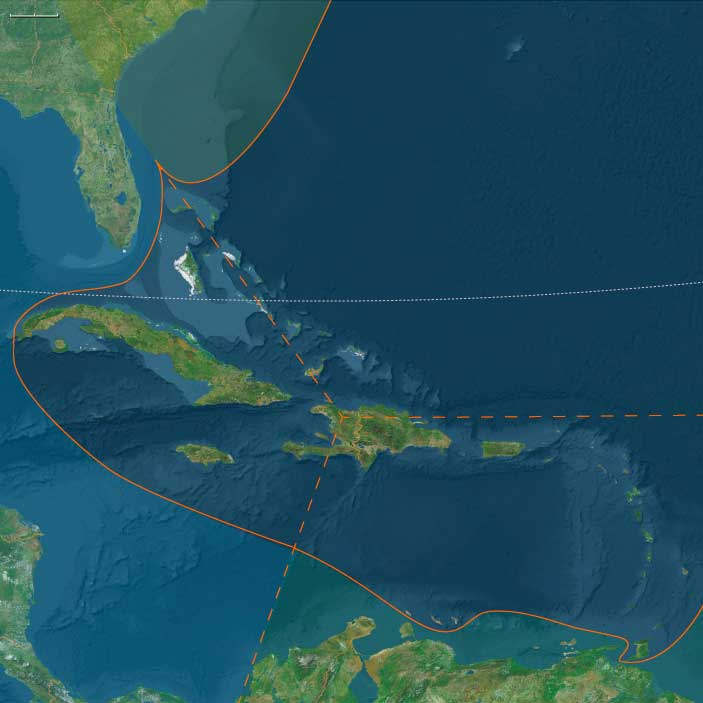
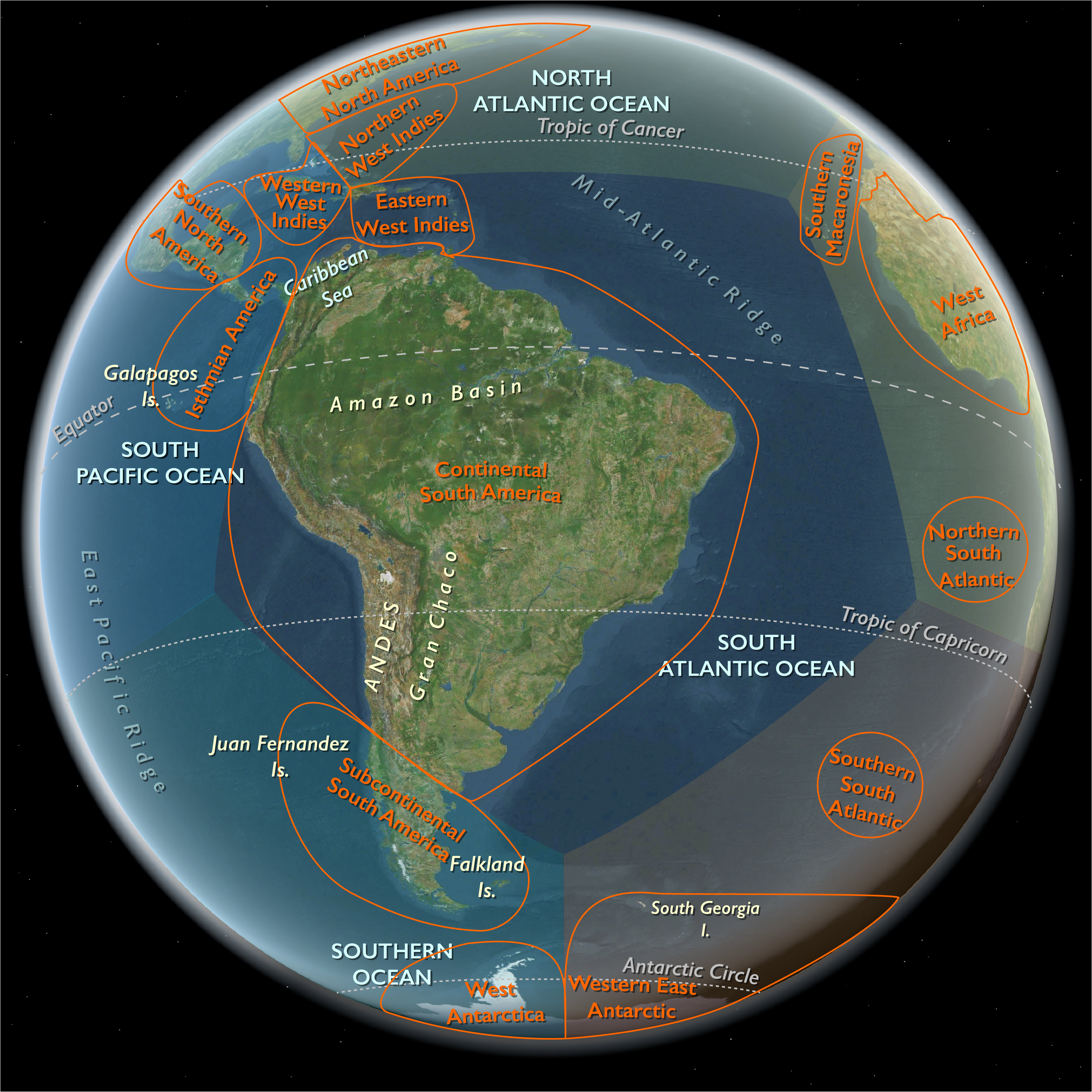
Eastern West Indies (1972–1983 CE): Political Evolution, Decolonization, and Regional Turbulence
Decolonization and Emerging Nations
Between 1972 and 1983, the Eastern West Indies experienced significant political transformations marked by continued waves of independence and increased regional cooperation. Dominica gained independence from Britain in 1978, followed by St. Lucia and St. Vincent and the Grenadines in 1979, and Antigua and Barbuda in 1981. These new nations embarked on paths toward political and economic self-determination, confronting the challenges of governance and economic diversification.
Revolution and Intervention in Grenada
In Grenada, the revolutionary government led by Maurice Bishop came to power in 1979, initiating ambitious social and economic reforms aimed at reducing inequality and fostering development. However, political tensions within Bishop’s government escalated, culminating in his violent overthrow and execution in 1983. This turmoil triggered the controversial U.S.-led military intervention ("Operation Urgent Fury"), citing regional stability and the protection of American citizens as justification.
Continuing Challenges in Haiti and the Dominican Republic
Haiti remained under the oppressive regime of Jean-Claude “Baby Doc” Duvalier, marked by continued human rights abuses and economic hardships. International pressure and domestic dissent against his regime intensified, but Duvalier managed to maintain control during this period.
In the Dominican Republic, the nation navigated a transition to civilian governance following decades of authoritarian rule. President Antonio Guzmán Fernández (1978–1982) promoted economic and political reforms, moving the country toward greater democracy and institutional stability, despite persistent economic challenges.
Economic Growth and Political Debates in Puerto Rico and the U.S. Virgin Islands
During this era, Puerto Rico and the U.S. Virgin Islands experienced continued economic growth primarily driven by tourism, manufacturing, and increased federal investments. Political debates concerning Puerto Rico’s status persisted, oscillating between statehood, independence, and maintaining its Commonwealth status. The U.S. Virgin Islands also faced discussions regarding autonomy and economic self-sufficiency amidst increased tourism-related development.
Regional Cooperation and Political Dynamics
The period also saw a strengthening of regional cooperation through organizations like the Caribbean Community (CARICOM), founded in 1973. These initiatives aimed at enhancing economic integration, fostering regional stability, and providing a unified voice in international affairs.
Key Historical Developments
-
Independence movements: Dominica (1978), St. Lucia (1979), St. Vincent and the Grenadines (1979), Antigua and Barbuda (1981).
-
Maurice Bishop’s revolutionary government in Grenada and subsequent U.S. intervention (1983).
-
Political instability and persistent authoritarian rule in Haiti under Jean-Claude Duvalier.
-
Transition to civilian governance and economic reform in the Dominican Republic.
-
Continuing debates over political status and economic strategies in Puerto Rico and the U.S. Virgin Islands.
Long-Term Consequences and Historical Significance
From 1972 to 1983, the Eastern West Indies navigated critical stages of political evolution, marked by significant decolonization, political volatility, and increased regional cooperation. These developments reshaped the political and economic landscape of the region, establishing the foundation for contemporary challenges related to governance, economic sustainability, and international relations.