James K. Polk
11th President of the United States
Years: 1795 - 1849
James Knox Polk (November 2, 1795 – June 15, 1849) is the 11th President of the United States (1845–1849).
Polk was born in Mecklenburg County, North Carolina.
He later lived in and represented Tennessee.
A Democrat, Polk serves as the 17th Speaker of the House of Representatives (1835–1839) and Governor of Tennessee (1839–1841).
Polk is the surprise (dark horse) candidate for president in 1844, defeating Henry Clay of the rival Whig Party by promising to annex Texas.
Polk is a leader of Jacksonian Democracy during the Second Party System.
Polk is the last strong pre–Civil War president, and he is the earliest of whom there are surviving photographs taken during a term in office.
He is noted for his foreign policy successes.
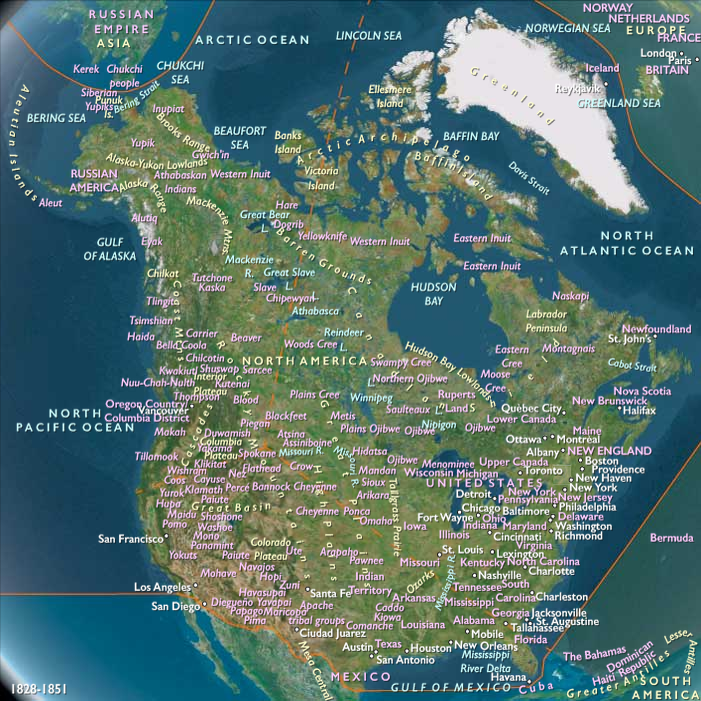
He threatens war with Britain over the issue of which nation owns the Oregon Country, then backs away and splits the ownership of the region with Britain.
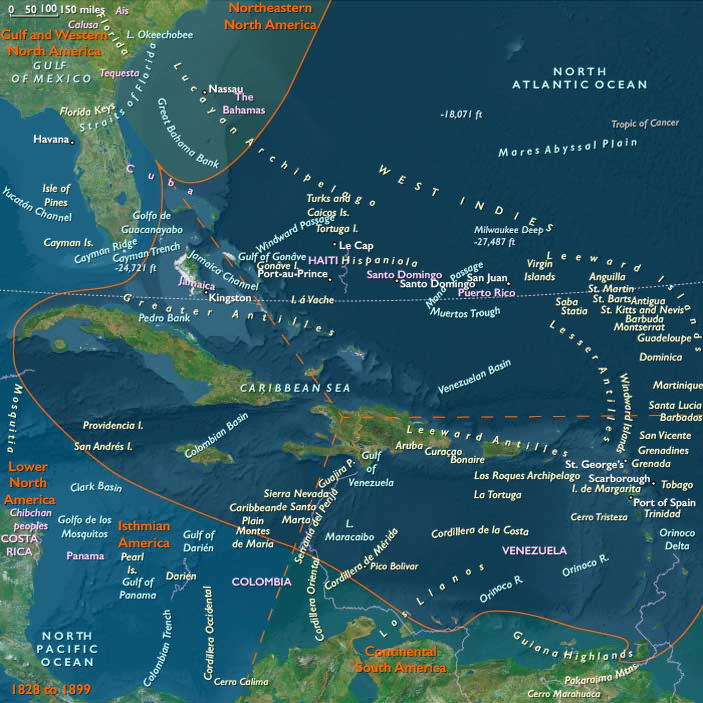
When Mexico rejects American annexation of Texas, Polk leads the nation to a sweeping victory in the Mexican-American War, which gives the United States most of its present Southwest.
He secures passage of the Walker tariff of 1846, which has low rates that please his native South, and he establishes a treasury system that lasts until 1913.
Polk oversees the opening of the U.S.
Naval Academy and the Smithsonian Institution, the groundbreaking for the Washington Monument, and the issuance of the first postage stamps in the United States.
He promises to serve only one term and does not run for reelection.
He dies of cholera three months after his term ends.
Scholars have ranked him favorably on the list of greatest presidents for his ability to set an agenda and achieve all of it.