James Cook
British explorer, navigator and cartographer
Years: 1728 - 1779
Captain James Cook, FRS, RN (7 November 1728 – 14 February 1779) is a British explorer, navigator and cartographer who ultimately rises to the rank of captain in the Royal Navy.
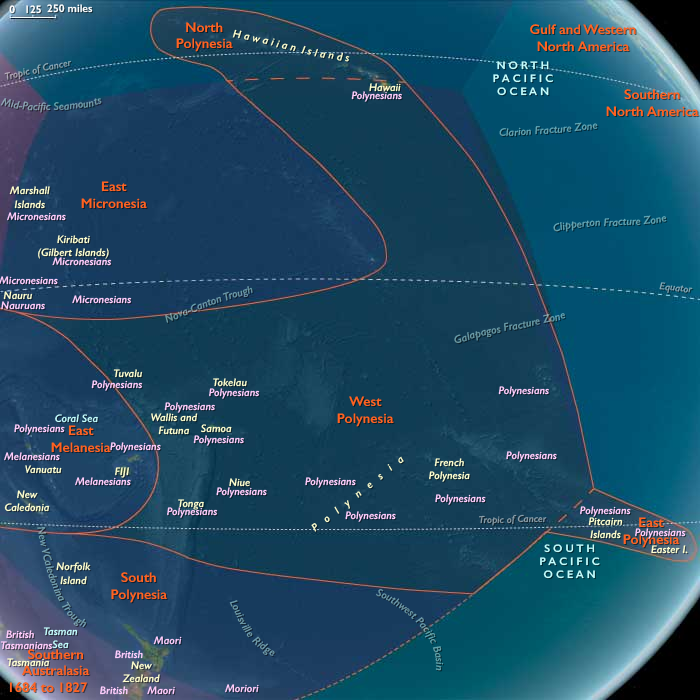
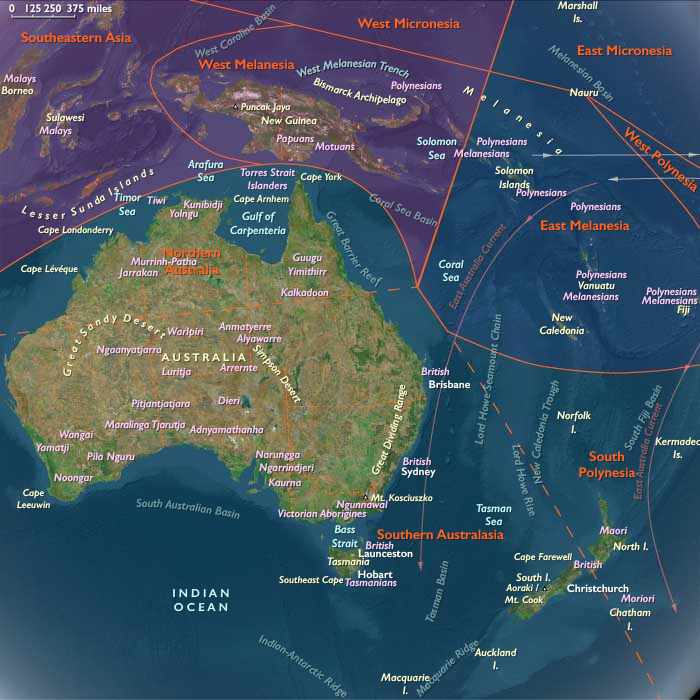
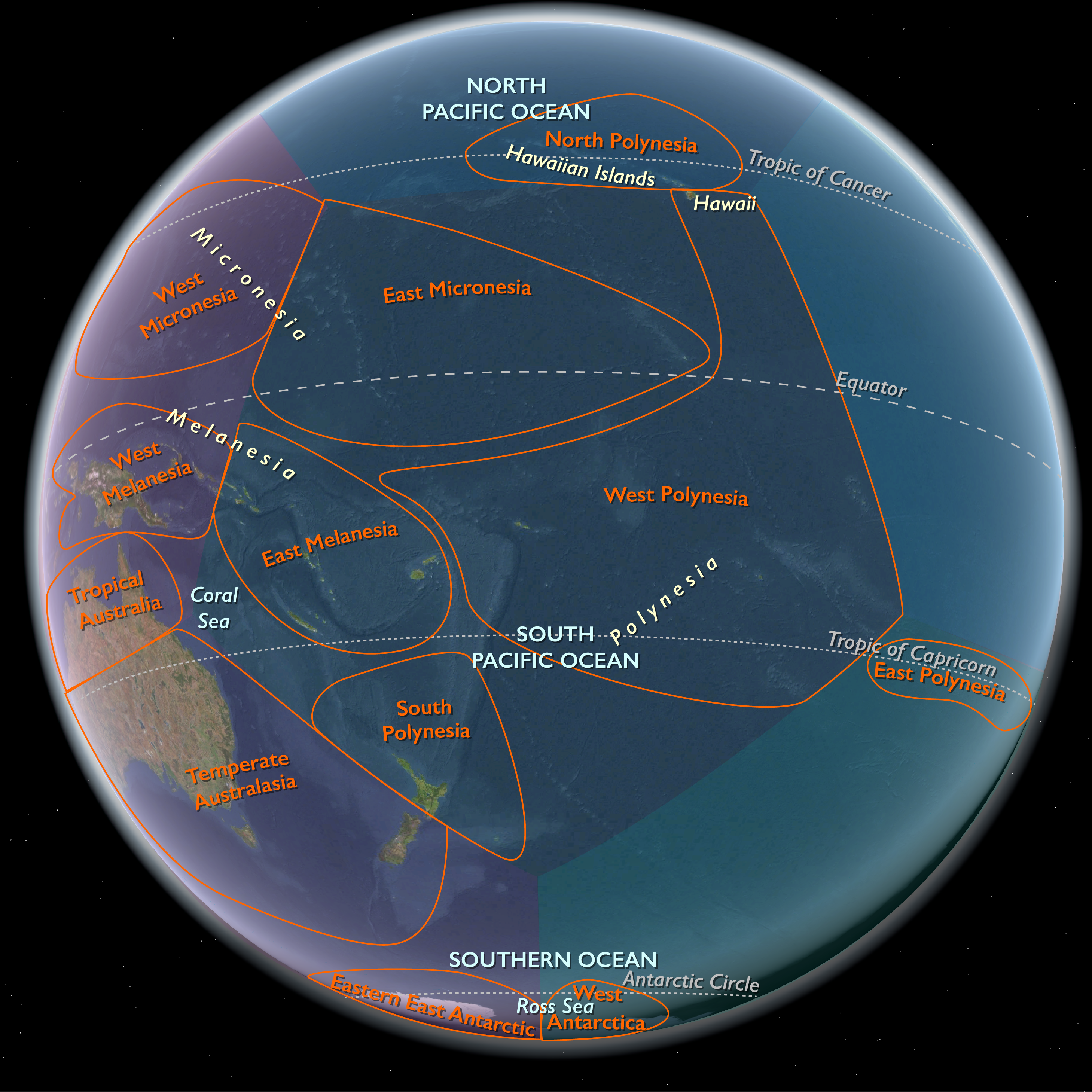
Cook makes detailed maps of Newfoundland prior to making three voyages to the Pacific Ocean, during which he achieves the first European contact with the eastern coastline of Australia and the Hawaiian Islands, as well as the first recorded circumnavigation of New Zealand.
Cook joins the British merchant navy as a teenager and joins the Royal Navy in 1755.
He sees action in the Seven Years' War, and subsequently surveys and maps much of the entrance to the Saint Lawrence River during the siege of Quebec.
This helps bring Cook to the attention of the Admiralty and Royal Society.
This notice comes at a crucial moment in both Cook's career and the direction of British overseas exploration, and leads to his commission in 1766 as commander of HM Bark Endeavour for the first of three Pacific voyages.
In three voyages, Cook sails thousands of miles across largely uncharted areas of the globe.
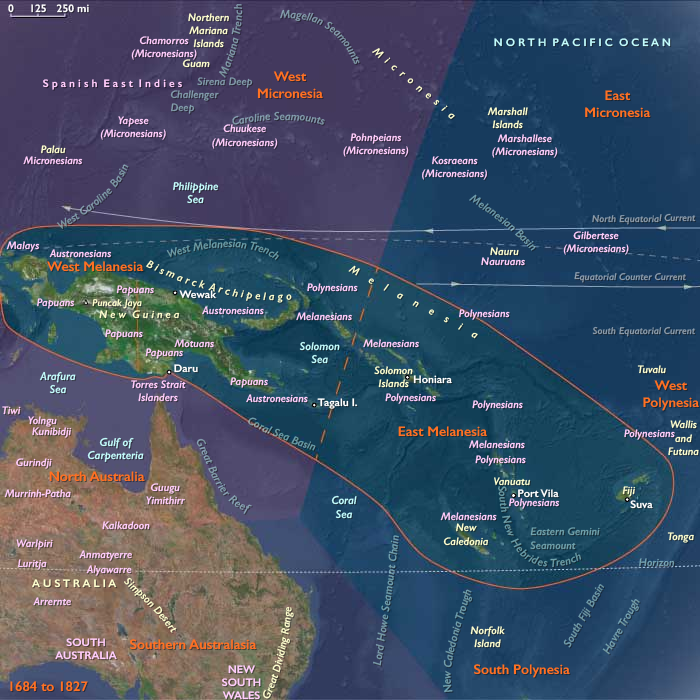
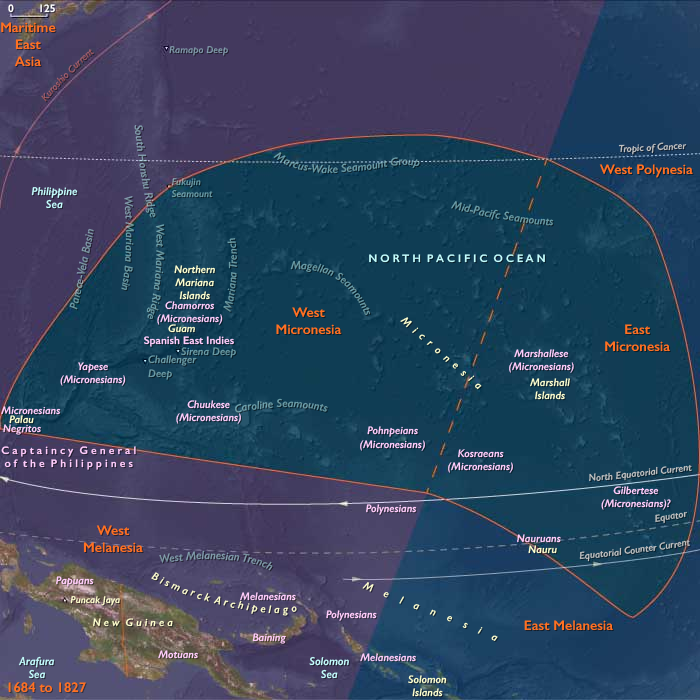
He maps lands from New Zealand to Hawaii in the Pacific Ocean in greater detail and on a scale not previously achieved.
As he progresses on his voyages of discovery he surveys and names features, and records islands and coastlines on European maps for the first time.
He displays a combination of seamanship, superior surveying and cartographic skills, physical courage and an ability to lead men in adverse conditions.
Cook is killed in Hawaii in a fight with Hawaiians during his third exploratory voyage in the Pacific in 1779.
He leaves a legacy of scientific and geographical knowledge which is to influence his successors well into the 20th century and numerous memorials worldwide are dedicated to him.
However, his role in opening areas of the Pacific to colonization and its subsequent effects on indigenous peoples have been the subject of both political and scholarly debate.