James Broun-Ramsay, 1st Marquess of Dalhousie
a Scottish statesman, and a colonial administrator in British India
Years: 1812 - 1860
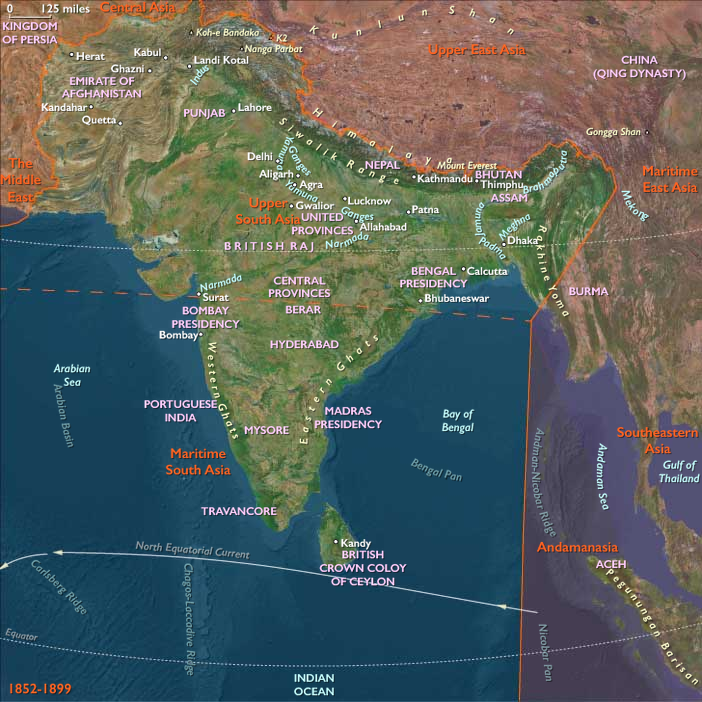
James Andrew Broun-Ramsay, 1st Marquess of Dalhousie KT PC (April 22, 1812 – December 19, 1860), styled Lord Ramsay until 1838 and known as The Earl of Dalhousie between 1838 and 1849, is a Scottish statesman, and a colonial administrator in British India.
He serves as Governor-General of India from 1848 to 1856.
He is credited with introducing passenger trains in railways, electric telegraph,and uniform postage in India, which he describes as the "three great engines of social improvement."
To his supporters he stands out as the far-sighted Governor-General who consolidates East India Company rule in India, lays the foundations of its later administration, and by his sound policy enables his successors to stem the tide of rebellion.
To his critics, he stands out as the destroyer of both the East India Company's financial and military position through reckless policies.
His critics also hold that he laid the foundations of the Indian Rebellion of 1857 and led the final transformation of profitable commercial operations in India into a money-losing colonial administration.
His period of rule in India directly precedes the transformation into the Victorian Raj period of Indian administration.
He is denounced by many in Britain and India on the eve of his death as having failed to notice the signs of the brewing Indian Rebellion of 1857, having aggravated the crisis by his overbearing self-confidence, centralizing activity, and expansive annexations.