Jakob Fugger
German merchant, mining entrepreneur and banker of Europe
Years: 1459 - 1525
Jakob Fugger of the Lily (March 6, 1459 – December 30, 1525), also known as Jakob Fugger the Rich or sometimes Jakob II, is a major merchant, mining entrepreneur and banker of Europe.
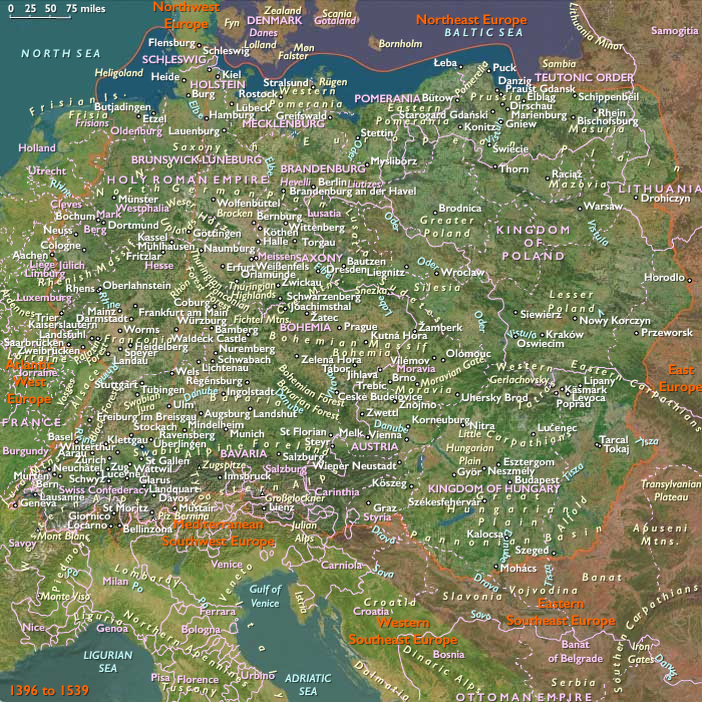
He is a descendant of the Fugger merchant family located in the Free Imperial City of Augsburg, where he was also born and later also elevated through marriage to Grand Burgher of Augsburg (German Großbürger zu Augsburg).
Within a few decades he expands the family firm to a business operating in all of Europe.
He begins his education at the age of fourteenin Venice, which also remains his main residence until 1487.
At the same time he is a cleric and holds several prebendaries, even though he never lives in a monastery.
The foundation of the family's wealth is created mainly by the textile trade with Italy.
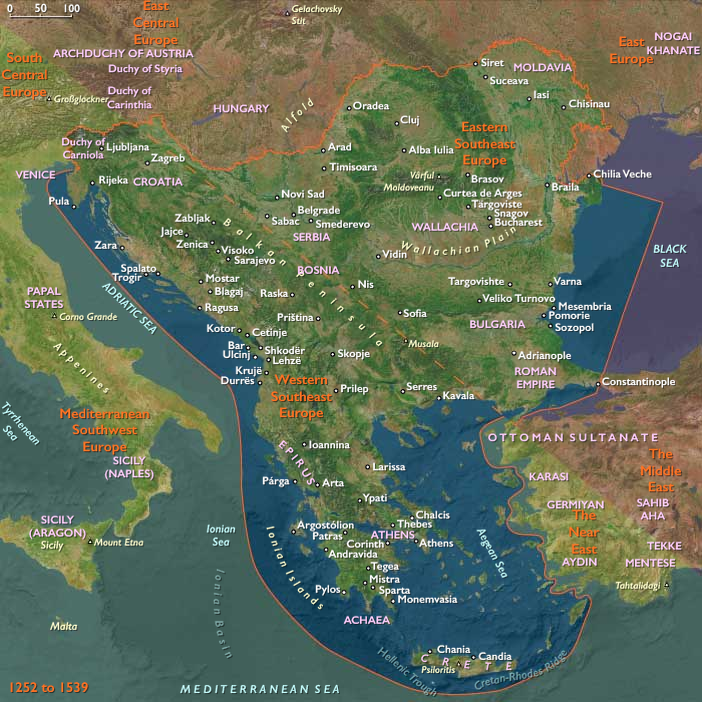
The company grows rapidly after the brothers Ulrich, Georg and Jakob begin banking transactions with the House of Habsburg as well as the Roman Curia, and at the same time begin mining operations in Tyrol, and from 1493 on the extraction of silver and copper in Bohemia and the Kingdom of Hungary.
As of 1525 they also have the right to mine quicksilver and cinnabar in Almadén.
After 1487 Jakob Fugger is the de facto head of the Fugger business operations, which soon have an almost monopolistic hold on the European copper market.
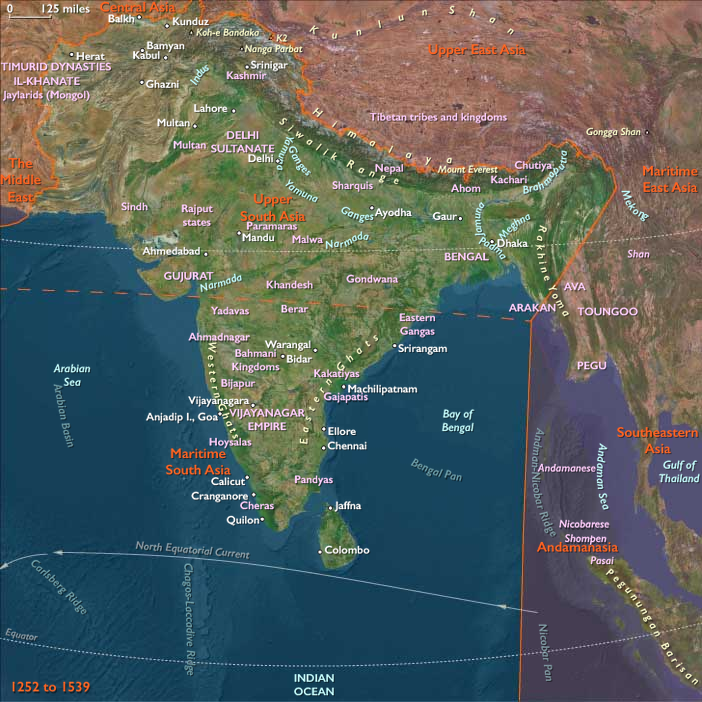
Copper from Upper Hungary is transported through Antwerp to Lisbon, and from there shipped to India.
Jakob Fugger also contributes to the first and only trade expedition to India that German merchants cooperate n, a Portuguese fleet to the Indian west coast (1505/06) as well as a failed Spanish trade expedition to the Maluku Islands.
With his support of the Habsburg dynasty as a banker, he has a decisive influence on European politics at this time.
He finances the rise of Maximilian I and makes considerable contributions to secure the election of the Spanish king Charles V to become Holy Roman Emperor.
Jakob Fugger also funds the marriages that later resulted in House Habsburg gaining the kingdoms of Bohemia and Hungary.
Jakob Fugger secures his legacy and lasting fame through his foundations in Augsburg.
A Chapel funded by him and built from 1509 to 1512 is Germany's first renaissance building and contains the tombs of the brothers Ulrich, Georg and Jakob.
The Fuggerei, which is founded by Jakob in 1521, is the world's oldest social housing complex still in use.
The Damenhof, part of the Fuggerhäuser in Augsburg, is the first secular renaissance building in Germany and is built in 1515.
At his death on December 30, 1525, Jakob Fugger bequeaths to his nephew Anton Fugger company assets totaling 2,032,652 guilders.
He is among the most well known Germans and arguably the most famous citizen of Augsburg, with his wealth earning him the moniker "Fugger the Rich".
In 1967 a bust of him will be placed in the Walhalla, a "hall of fame" near Regensburg that honors laudable and distinguished Germans.