The Battle of Guinegatte and the Rise of Infantry Warfare (1479)
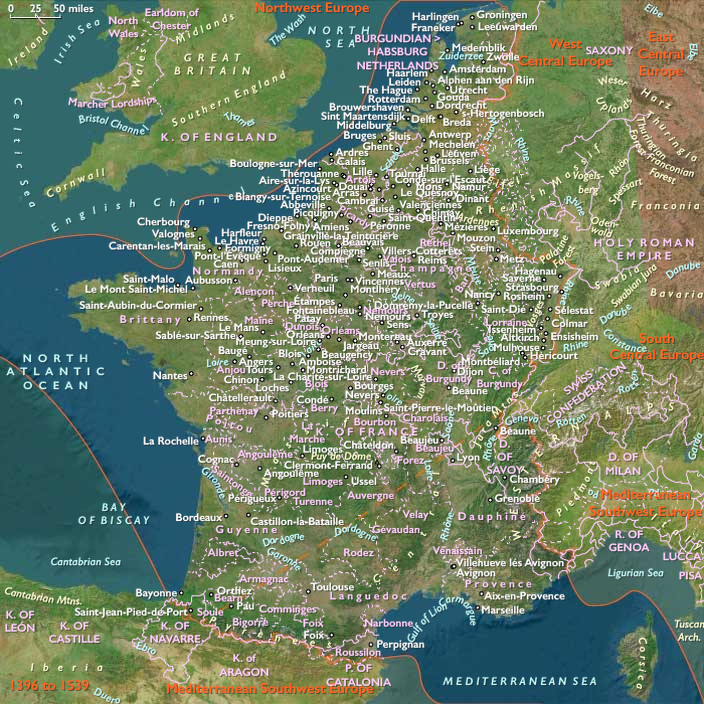
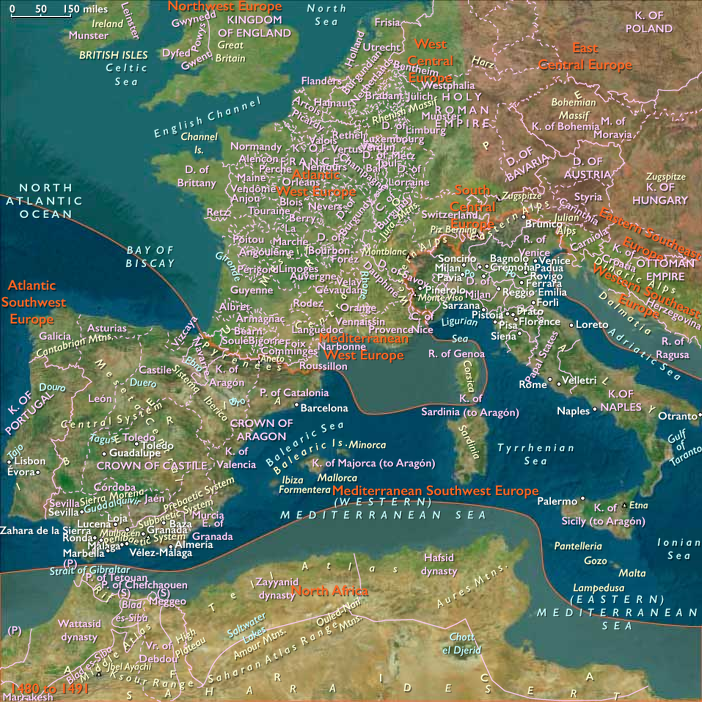
The Battle of Guinegatte, fought on August 7, 1479, near the village of Guinegatte in Artois, marked a critical turning point in late medieval European military tactics. In the aftermath of the Burgundian collapse, the young Archduke Maximilian of Austria, husband of Mary of Burgundy, confronted the forces of French king Louis XI, who had aggressively contested the Burgundian inheritance. At Guinegatte, Maximilian employed innovative infantry formations inspired by the successful tactics of the Swiss mercenaries who had decisively defeated Charles the Bold two years earlier at Nancy.
Context: Military Innovations and Swiss Influence
The catastrophic defeat of Burgundy at Nancy (1477) had dramatically showcased the effectiveness of the Swiss infantry pike squares—dense formations of foot soldiers armed with long pikes, capable of resisting and defeating heavily armored cavalry charges. At Nancy, Swiss troops fighting on behalf of the Lower League and René II of Lorraine demonstrated the superiority of disciplined infantry squares over the traditional heavy cavalry charges, revolutionizing late medieval battlefield tactics.
Witnessing firsthand the efficacy of these tactics at Nancy was Jacques of Savoy, Count of Romont, now allied with Maximilian and urging the adoption of similar infantry techniques. This marked a major shift away from medieval dependence on heavily armored cavalry toward an infantry-centric method of warfare that would dominate European battlefields into the early modern period.
Deployment of Innovative Infantry Formations at Guinegatte
At Guinegatte, Maximilian decisively adopted Romont’s advice, deploying his 11,000 infantrymen into two large, densely packed squares. One square, commanded by Count Engelbert of Nassau, a seasoned commander who had also fought at Nancy, anchored the Archduke’s battle line. The second square, under Romont’s command, mirrored the Swiss formations: ranks of disciplined, determined pikemen supported by noblemen and knights, prominently positioned in the foremost lines—an unusual innovation that signaled a major shift in tactical doctrine.
Notably, Maximilian himself took an unprecedented step by personally joining the frontline infantry ranks alongside his noble retainers—an extraordinary act for a prince of his stature, defying contemporary military tradition, which typically placed commanders safely behind front lines.
The Battle: Turning Defeat into Victory
Initially, Philippe de Crèvecœur (Maréchal des Cordes), commanding Louis XI’s French forces, successfully attacked the Burgundian left square, driving it back and capturing the Burgundian artillery positioned there. However, the French cavalry—traditionally the decisive force—failed to capitalize on their early advantage, becoming distracted by their captured artillery and scattered pursuit.
On the opposing flank, Maximilian’s disciplined infantry squares stood firm. Slowly advancing, they methodically wore down French resistance through sustained pressure, demonstrating the tactical superiority of disciplined infantry formations. Ultimately, this steadfastness and cohesion secured victory for Maximilian’s forces.
Tactical Innovation and Shift in Warfare
Guinegatte represented a profound turning point in European military history. The successful use of infantry squares, previously perfected by Swiss mercenaries, fundamentally challenged the long-established dominance of knightly cavalry. The discipline, cohesion, and fighting spirit of massed infantry formations would thereafter dominate European battlefield tactics, significantly diminishing the effectiveness of traditional cavalry-centric strategies.
Long-Term Historical Consequences and Legacy
The victory at Guinegatte greatly reinforced Maximilian’s political and military standing, solidifying his rule over Burgundian territories and decisively checking French expansionism. By highlighting infantry formations as superior to traditional cavalry, Guinegatte accelerated the shift towards infantry-based warfare that would dominate European battlefields well into the early modern period.
Additionally, Maximilian’s extraordinary decision to personally lead his noble troops from the frontline created a new ideal of courageous, engaged leadership. This set a symbolic and practical precedent for battlefield leadership that influenced subsequent military doctrine throughout Europe.
Thus, the Battle of Guinegatte (1479) represented not only a critical victory for Habsburg ambitions against French aggression, securing the Burgundian inheritance under Habsburg rule, but also marked the beginning of a lasting transformation in military strategy and organization that reshaped warfare in late medieval and early modern Atlantic West Europe.