Jacques-Louis David
French painter in the Neoclassical style
Years: 1748 - 1825
Jacques-Louis David (August 30, 1748 – December 29, 1825) is a French painter in the Neoclassical style, considered to be the preeminent painter of the era.
In the 1780s his cerebral brand of history painting marks a change in taste away from Rococo frivolity toward a classical austerity and severity, heightened feeling harmonizing with the moral climate of the final years of the Ancien Régime.
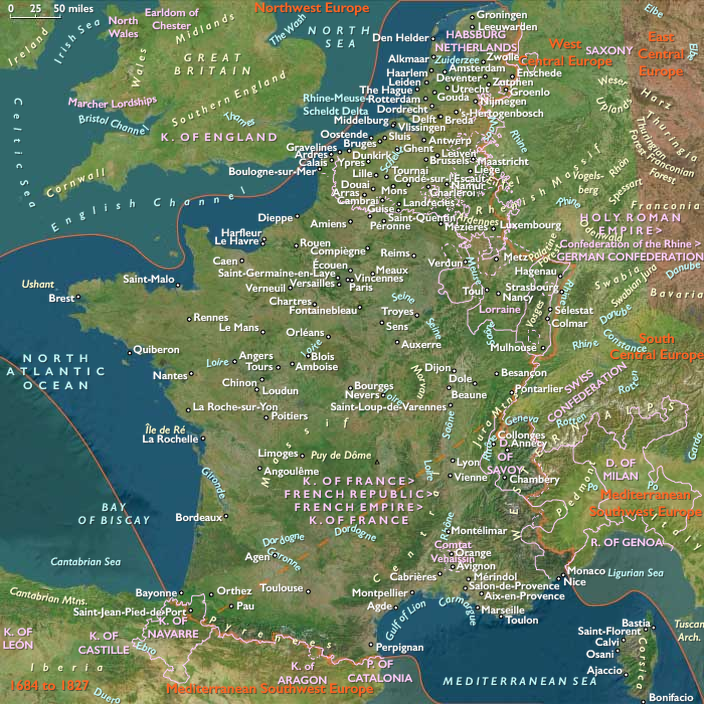
David later becomes an active supporter of the French Revolution and friend of Maximilien Robespierre (1758–1794), and is effectively a dictator of the arts under the French Republic.
Imprisoned after Robespierre's fall from power, he aligns himself with yet another political regime upon his release: that of Napoleon, The First Consul of France.
At this time he develops his Empire style, notable for its use of warm Venetian colors.
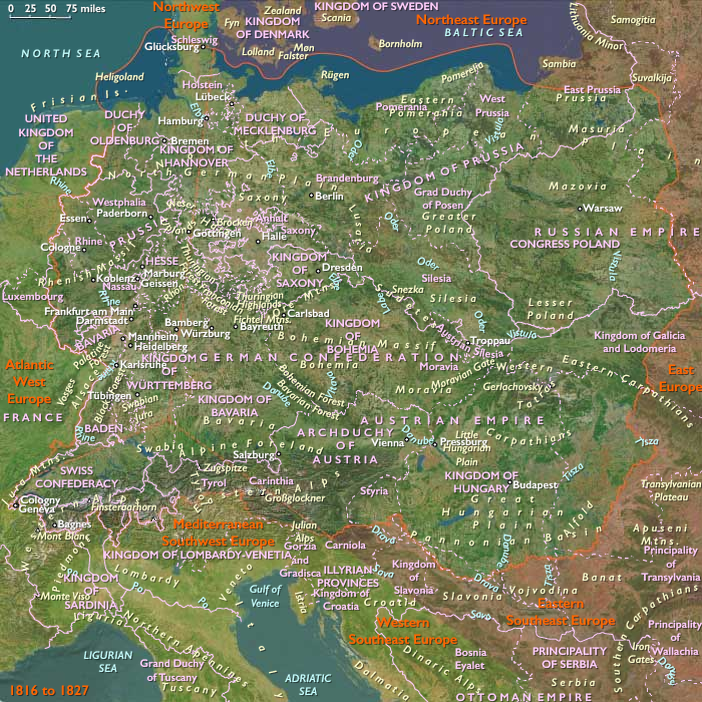
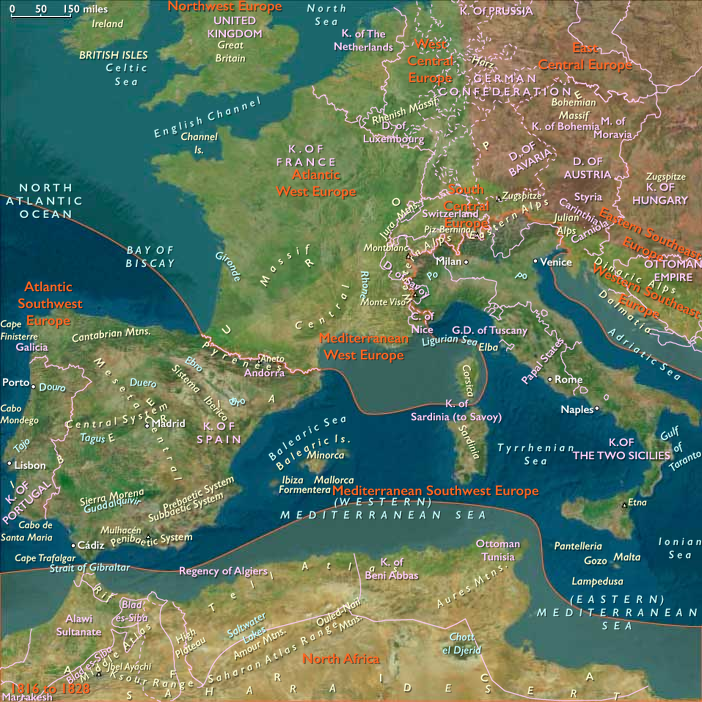
After Napoleon's fall from Imperial power and the Bourbon revival, David exileds himself to Brussels, at this time in the United Kingdom of the Netherlands, where he remains until his death.
David has a large number of pupils, making him the strongest influence in French art of the early nineteenth century, especially academic Salon painting.