Jacques Laffitte
leading French banker
Years: 1767 - 1844
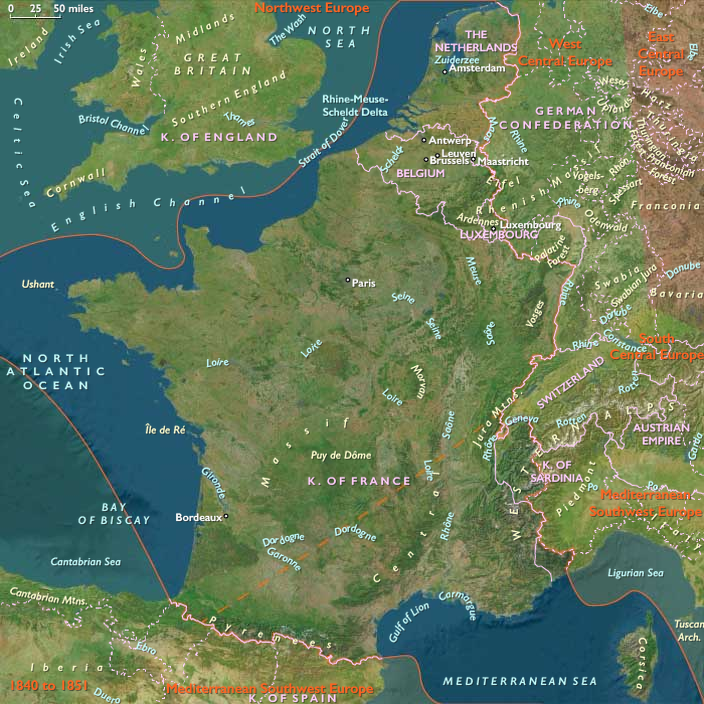
Jacques Laffitte (24 October 1767 – 26 May 1844) is a leading French banker, governor of the Bank of France (1814–1820) and liberal member of the Chamber of Deputies during the Bourbon Restoration and July Monarchy.
He is an important figure in the development of new banking techniques during the early stages of industrialization in France.
In politics, he plays a decisive role during the Revolution of 1830 that brings Louis-Philippe, the duc d'Orléans, to the throne, replacing the unpopular Bourbon king Charles X.
Laffitte is named president of the new Citizen King's Council of Ministers and Minister of Finances (November 2, 1830 – March 13, 1831).
After a brief ministry of one hundred and thirty-one days, his "Party of Movement" gives way before the "Party of Order" led by the banker Casimir-Pierre Perie.
Laffitte leaves office discredited politically and financially ruined.
He rebounds financially in 1836 with his creation of the Caisse Générale du Commerce et de l'Industrie, a forerunner of French investment banks of the second half of the nineteenth century such as the Crédit Mobilier (1852).
The Caisse Générale does not survive the financial crisis caused by the Revolution of 1848.