The Near East (2637–2494 BCE): Foundations of Pharaonic Achievement
Natron: A Versatile Egyptian Resource
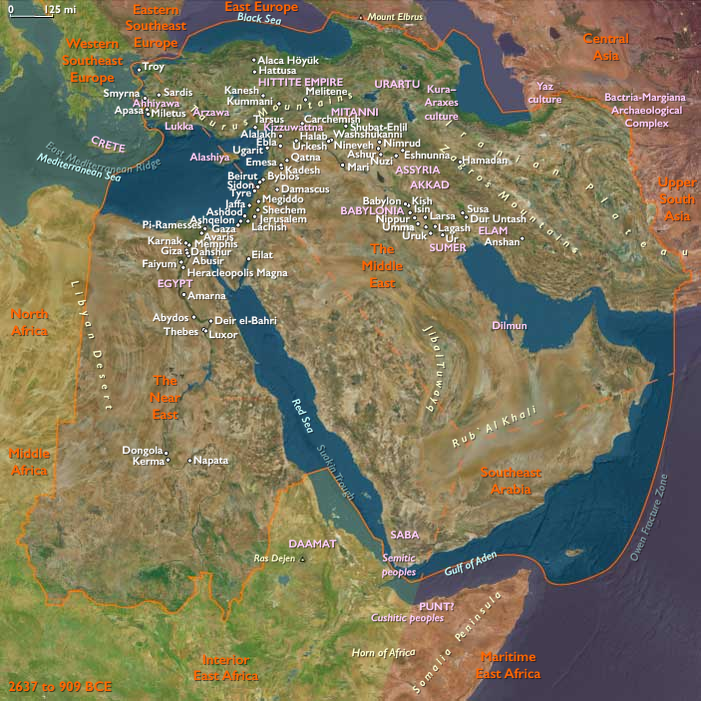
The Natron Valley, situated near modern Cairo, annually fills with floodwaters from the Nile, forming seasonal lakes. As these lakes evaporate under the summer sun, they leave behind deposits of natron, a mineral primarily composed of sodium carbonate, with smaller amounts of sodium bicarbonate, sodium sulfate, and sodium chloride. Egyptians quickly recognize natron’s practical applications, using it in early forms of soap, antiseptics, mouthwash, and toothpaste. Its antibacterial properties and ability to absorb moisture make natron indispensable for drying and preserving food, leather preparation, textile bleaching, insect control, and most famously, embalming and mummification. Additionally, mixing natron with castor oil produces smokeless fuel, enabling artisans to paint intricate designs inside tombs without staining them with soot.
Innovations in Pigment and Egyptian Blue
Egyptian craftsmen leverage natron as a critical ingredient in producing "Egyptian blue," the world’s first synthetic pigment, chemically identified as calcium copper silicate. Motivated by the desire to replicate the vivid blue of rare stones like turquoise and lapis lazuli—impractical to source in large quantities—the Egyptians successfully manufacture this pigment, beginning around the Fourth Dynasty (circa 2575–2467 BCE). Egyptian blue quickly becomes integral to decorative arts, utilized extensively in sculptures, cylinder seals, and jewelry, reflecting Egypt’s prosperity and artistic patronage under pharaonic rule.
Expansion of Mining and Quarrying
The Old Kingdom witnesses significant advancements in mining and quarrying operations. At Maadi, Egyptians mine malachite, initially using the vibrant green stones for pottery decoration and ornamentation. Further south in Nubia, extensive gold mines employ techniques like fire-setting to fracture hard rock, followed by meticulous grinding and washing to extract precious gold dust. The vast Nubian mining complexes will eventually be recorded in detailed maps, such as the Turin Papyrus Map, exemplifying Egypt's sophisticated record-keeping and geographical awareness.
Wadi Hammamat becomes a prominent quarry, supplying essential materials such as bekhen-stone, prized for carving statues, bowls, palettes, and sarcophagi. Egyptians continue expeditions to locations like Wadi Maghareh and the Timna Valley for valuable copper and turquoise, resources critical for state-sponsored construction projects. At Aswan, quarries yield syenite, a granite-like stone essential for colossal statues, obelisks, and architectural elements that symbolize Egypt’s imperial grandeur. Similarly, limestone from Tura becomes renowned for its exceptional purity and whiteness, extensively used in monumental constructions including the pyramids of Giza.
Agricultural and Demographic Expansion
Technological innovations significantly enhance Egyptian agriculture. The widespread adoption of the fork-branch plow substantially increases crop yields, enabling population growth and urbanization. Alongside grain staples, Egyptians cultivate pigeons—selectively bred from the wild rock dove—as a protein source. Increased agricultural productivity supports a growing population and fuels the development of specialized occupations and social stratification.
Religious Consolidation and Divine Kingship
Religious beliefs become increasingly formalized and influential, with totemism linking kinship groups to specific animals and plants. Regional deities like Horus (falcon) and Seth (goat) represent major principalities, while the sun god Ra presides over all. By this period, the concept of divine kingship is firmly established, associating the pharaoh directly with Horus, who is believed to ensure cosmic and earthly stability, particularly through the predictable flooding of the Nile. These beliefs bolster royal authority and justify the centralization of power.
Political Centralization and Territorial Expansion
During this era, formerly independent states consolidate into administrative regions called nomes, governed by nomarchs who are subordinate to the pharaoh. This centralization enhances Egypt’s internal cohesion, enabling expansionist policies into Sinai and northern Nubia to establish buffer zones and secure vital trade routes. Egypt’s growing influence extends beyond its borders, maintaining extensive trade relationships with regions such as Syria, Canaan, and northeast Africa.
Urbanization and Cultural Development in Canaan
Simultaneously, the region of Canaan experiences significant urban development during the Early Bronze Age. Semitic peoples emerge, bringing bronze metallurgy that transforms local cultures. Although Canaanite cities develop independently rather than unified under a central authority, these fortified city-states engage actively in trade with Egypt. Notably, Hebron emerges as a prominent royal city, reflecting the broader regional pattern of urbanization and cultural sophistication.
Architectural Revolution and Pyramid Age
The Old Kingdom marks the pinnacle of Egyptian architectural innovation, beginning notably with Pharaoh Djoser’s Step Pyramid at Saqqara, designed by the legendary architect Imhotep. Subsequent rulers, especially from the Fourth Dynasty, further these monumental achievements. Pharaoh Sneferu constructs the first true pyramid, paving the way for his successors Khufu, Khafre, and Menkaure, whose magnificent pyramids at Giza epitomize the zenith of pharaonic authority and architectural ambition. Pyramid construction emerges as a central industry, absorbing vast economic resources and labor forces, fueling Egypt’s economic and technological development.
These pyramids symbolize not only royal power but also Egyptian beliefs in the afterlife. Art, architecture, and religious practices converge in tombs and funerary complexes that depict daily life, ensure eternal existence for the deceased, and reinforce the divinity of pharaohs. The sophisticated Egyptian civilization of this era leaves a profound legacy, influencing future generations in the Near East and beyond.