Iltutmish
Sultan of Delhi
Years: 1175 - 1236
Shams-ud-din Iltutmish (r. 1211–1236) is the third ruler of the Mamluk dynasty of Delhi of Turkic origin.
He is a slave of Qutb-ud-din Aibak and later becomes his son-in-law and close lieutenant.
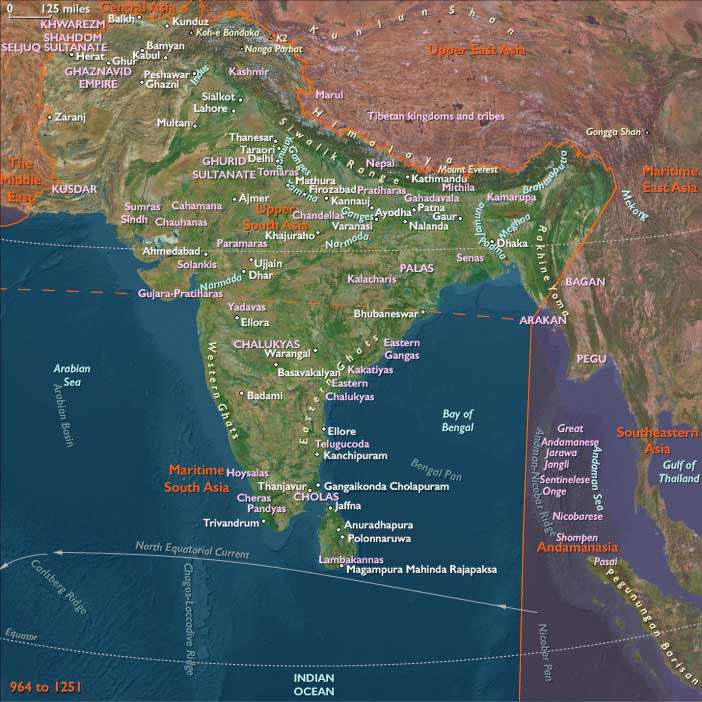
He is the Governor of Badaun when he deposes Qutub-ud-din's successor Aram Shah and accedes to the throne of the Delhi Sultanate in 1211.
He shifts his capital from Lahore to Delhi, remains the ruler until his death on May 1, 1236.
Iltutmish introduces the silver tanka and the copper jital -- the two basic coins of the Sultanate period, with a standard weight of 175 grains.
He introduces the Iqtadari system: the division of empire into Iqtas, which are assigned to the nobles and officers in lieu of salary.
He builds the Hauz-i-Shamsi reservoir in Mehrauli in 1230, which also has Jahaz Mahal standing on its edge, used by later Mughal Emperors.
In 1231, he builds Sultan Ghari, the mausoleum of his eldest son, Prince Nasiru'd-Din Mahmud, which is the first Islamic Mausoleum in Delhi.
His own tomb exists within the Qutb complex in Mehrauli, Delhi.
He suppresses all internal revolts and also checks external invaders successfully.
He completes the construction of the Qutb Minar.