Ibrahim Pasha of Egypt
eldest son of Muhammad Ali, the Wāli and unrecognized Khedive of Egypt and Sudan
Years: 1789 - 1848
Ibrahim Pasha (1789 – November 10, 1848) was the eldest son of Muhammad Ali, the Wāli and unrecognised Khedive of Egypt and Sudan.
He serves as a general in the Egyptian army that his father establishes during his reign, taking his first command of Egyptian forces when he is merely a teenager.
In the final year of his life, he succeeds his still living his father as ruler of Egypt and Sudan, due to the latter's ill health.
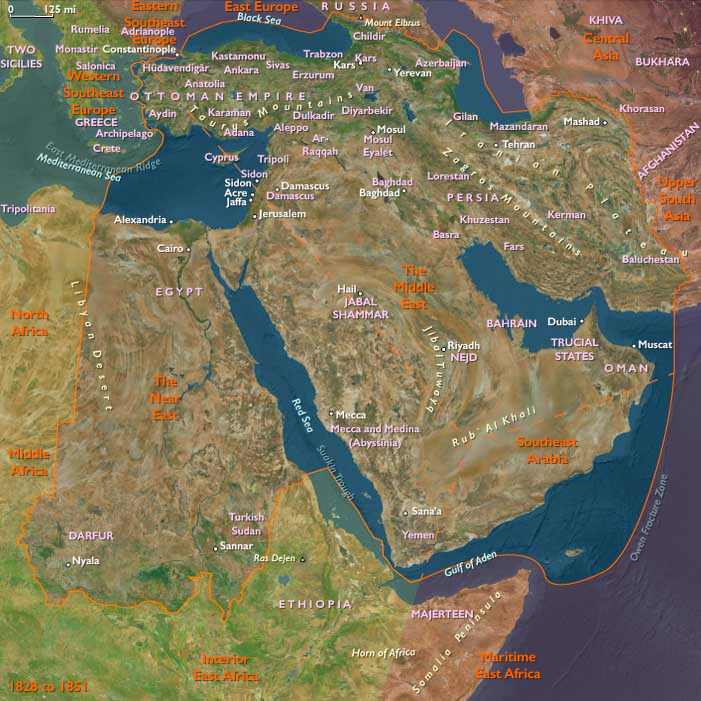
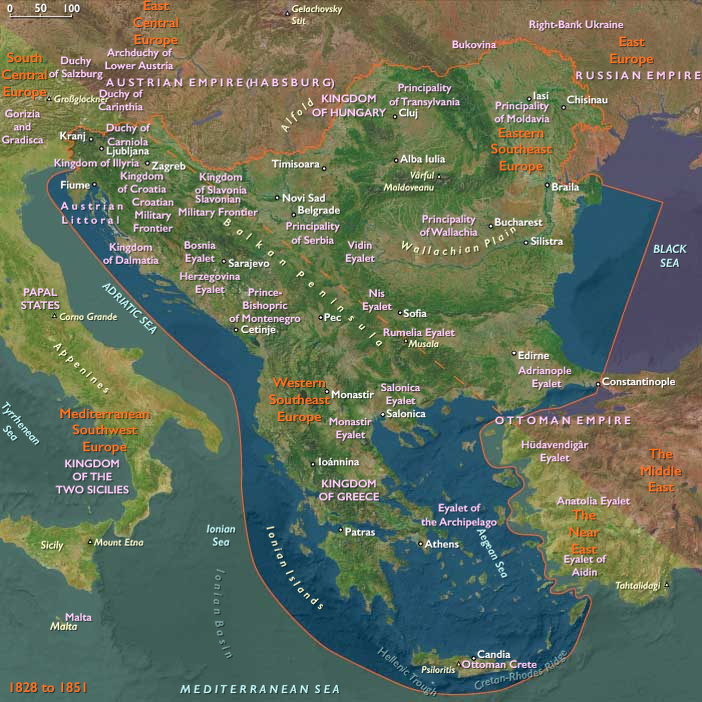
His rule also extends over the other dominions that his father has brought under Egyptian rule, namely Syria, Hejaz, Morea, Thasos, and Crete.
Ibrahim predeceases his father, dying 10 November, 1848, only four months after acceding to the throne.
Upon his father's death the following year, the Egyptian throne passes to Ibrahim's nephew (Muhammad Ali's second oldest son), Abbas.
Ibrahim remains one of the most celebrated members of the Muhammad Ali Dynasty, particularly for his impressive military victories, including several crushing defeats of the Ottoman Empire.
Among Egyptian historians, he, along with his father, Muhammad Ali, his son, Ismail the Magnificent, and his great-grandson Abbas II, is held in far higher esteem than other rulers from the dynasty, who were largely viewed as indolent and corrupt.
Today, a statue of Ibrahim occupies a prominent position in Egypt's capital, Cairo.