The Middle East (1960–1971): Regional Transformations and the Rise of Oil Politics
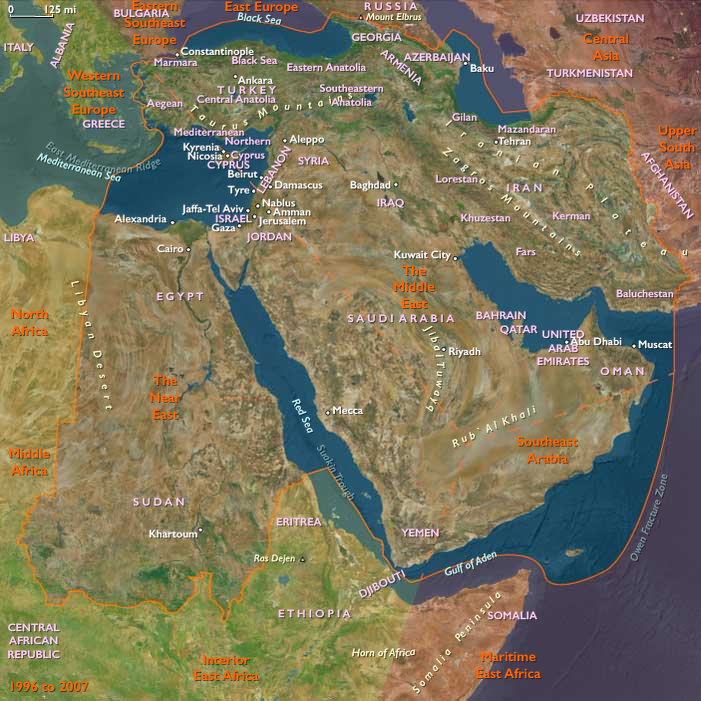
The era from 1960 to 1971 is pivotal for the Middle East, characterized by intense geopolitical struggles, rapid economic transformations driven by oil wealth, shifting regional alliances, and critical developments in Arab nationalism, culminating in profound long-term consequences for the region and beyond.
The Formation of OPEC and the Era of Oil Politics
In 1960, five oil-exporting nations—Iran, Iraq, Kuwait, Saudi Arabia, and Venezuela—form the Organization of Petroleum Exporting Countries (OPEC). This event marks a crucial turning point, as Middle Eastern nations begin asserting control over their natural resources and challenging Western dominance of oil markets. Initially, OPEC’s influence is modest, but the foundation laid during this era sets the stage for future global economic power shifts.
Oil wealth rapidly transforms the Arabian Peninsula. Saudi Arabia, Kuwait, Qatar, and the United Arab Emirates undergo significant modernization, investing in infrastructure, education, and healthcare. These states emerge as crucial economic hubs with growing international leverage.
Egypt under Nasser and Arab Nationalism
Egyptian President Gamal Abdel Nasser remains the region's leading figure in the early 1960s, advocating pan-Arab nationalism, socialism, and anti-imperialism. His influence peaks with the establishment of the United Arab Republic (UAR), initially a union of Egypt and Syria (1958–1961). However, the union collapses in 1961 due to Syrian dissatisfaction with Egyptian dominance.
Nasser's regional prestige endures despite setbacks. He supports revolutionary movements throughout the Arab world, notably in Yemen, where Egyptian troops intervene in a prolonged and costly civil war (1962–1967). This drains Egypt's resources and contributes to future vulnerabilities.
The Arab-Israeli Conflict and the Six-Day War (1967)
Tensions between Israel and its Arab neighbors escalate dramatically throughout the 1960s. A critical flashpoint occurs in June 1967 with the Six-Day War, when Israel launches preemptive strikes against Egypt, Jordan, and Syria, following months of escalating rhetoric and troop mobilizations.
The outcome is a resounding Israeli victory, dramatically altering the region’s geopolitical map. Israel captures the Sinai Peninsula and Gaza Strip from Egypt, the West Bank and East Jerusalem from Jordan, and the strategic Golan Heights from Syria. This devastating defeat deeply wounds Arab nationalism, humiliating Nasser and shaking Arab confidence.
In the war's aftermath, hundreds of thousands of additional Palestinian refugees are displaced. The occupied territories become focal points of bitter disputes, setting the stage for future conflicts and prolonged occupation.
Palestinian Nationalism and the Rise of the PLO
Following the 1967 war, Palestinian identity and resistance to Israeli occupation intensify. The Palestine Liberation Organization (PLO), founded in 1964 as a political body representing Palestinians, rapidly evolves into a prominent militant organization under Yasser Arafat’s leadership by 1969. Palestinian guerrilla operations against Israel increase significantly, particularly from bases in Jordan and Lebanon, drawing these countries deeper into regional conflict.
In Jordan, tensions between Palestinian guerrillas and King Hussein’s government culminate in the Black September crisis of 1970. Jordanian forces violently suppress Palestinian factions, resulting in thousands of deaths and driving the PLO leadership to relocate to Lebanon, further destabilizing that nation.
Syria and Iraq: Radical Regimes and Ba’athist Rule
In Syria, instability following the collapse of the UAR leads to several coups, culminating in the seizure of power by the Arab Socialist Ba’ath Party in 1963. By 1970, Defense Minister Hafez al-Assad consolidates his power through a military coup, establishing an authoritarian regime marked by socialist economic policies, repression of dissent, and strategic alignment with the Soviet Union.
In Iraq, instability persists throughout the 1960s. A Ba’athist-led coup in 1968 brings Ahmed Hassan al-Bakr and his deputy, Saddam Hussein, to power. The new Iraqi government pursues extensive modernization and social reform but also establishes a fiercely authoritarian system, marked by brutal suppression of opposition and increased militarization.
Iran and the Shah’s Modernization
In Iran, Mohammad Reza Shah Pahlavi launches ambitious economic and social reforms, known as the White Revolution (1963), aimed at rapid modernization, land redistribution, and industrialization. While the reforms stimulate economic growth and infrastructure development, they alienate religious leaders and large segments of Iranian society who view them as overly secular, authoritarian, and westernizing. Opposition to the Shah grows, planting seeds for future unrest.
Lebanon: Fragile Balance and Rising Tensions
Lebanon, traditionally viewed as a stable commercial center, becomes increasingly volatile as Palestinian refugees and PLO factions settle within its borders. By the late 1960s, Lebanese politics grow dangerously polarized, as Christians and Muslims diverge sharply over the Palestinian presence. Although full-scale conflict does not erupt until later, the foundations of Lebanon's subsequent civil strife are firmly laid during this period.
Turkey and Cyprus: Regional Conflict
Turkey, a strategic NATO member, experiences economic growth and stability under military-backed governments in the 1960s, but tensions with neighboring Greece escalate dramatically over Cyprus. Inter-communal violence on the island intensifies between Greek Cypriots and Turkish Cypriots, leading to increased regional instability and setting the stage for future Turkish intervention in Cyprus (1974).
Gulf States and British Withdrawal
Britain, weakened economically and politically by World War II and subsequent global commitments, announces its intention to withdraw military and political oversight from the Persian Gulf by 1971. This sparks anxiety among small Gulf sheikhdoms previously protected by British treaties. In response, the states of Abu Dhabi, Dubai, Sharjah, Ajman, Umm al-Quwain, and Fujairah establish the United Arab Emirates (UAE) in December 1971. Qatar and Bahrain opt for independence, becoming fully sovereign states in 1971. These new nations rapidly use burgeoning oil revenues to modernize and diversify their economies.
Oman’s Internal Conflict and Modernization
Oman experiences severe internal tensions during this period. Sultan Said bin Taimur’s repressive rule and resistance to modernization lead to significant unrest, notably the prolonged Dhofar Rebellion (1965–1975). In 1970, Sultan Said is overthrown by his British-backed son, Qaboos bin Said, who immediately embarks on a modernization program, ending Oman’s isolation and seeking regional cooperation and stability.
Legacy of the Era (1960–1971)
The period from 1960 to 1971 profoundly reshapes the Middle East. The Six-Day War significantly alters regional geopolitics, embedding long-lasting Arab-Israeli conflicts and the Palestinian issue deeply within regional and global politics. OPEC’s formation and increased oil wealth dramatically enhance the global influence of Middle Eastern states. Meanwhile, the emergence of authoritarian regimes in Syria and Iraq, the Shah’s modernization in Iran, and internal turmoil in Lebanon and Oman highlight the region's complexity and instability. These developments set the stage for intensified future conflicts, regional power shifts, and enduring strategic rivalries, profoundly influencing Middle Eastern politics into the twenty-first century.