Huldrych Zwingli
Swiss reformer
Years: 1484 - 1531
Huldrych (or Ulrich) Zwingli (1 January 1484 – 11 October 1531) is a leader of the Reformation in Switzerland.
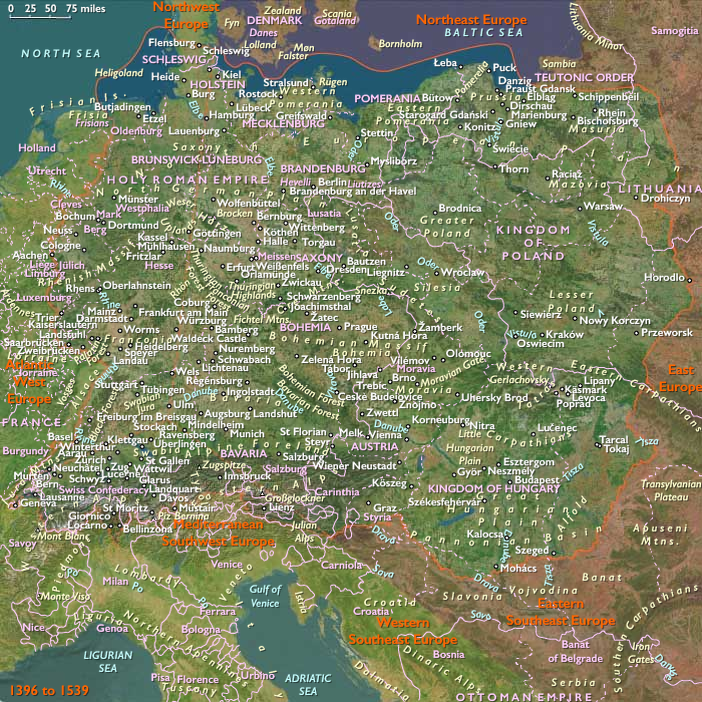
Born during a time of emerging Swiss patriotism and increasing criticism of the Swiss mercenary system, he attends the University of Vienna and the University of Basel, a scholarly center of humanism.
He continues his studies while he serves as a pastor in Glarus and later in Einsiedeln where he is influenced by the writings of Erasmus.
In 1519, Zwingli becomes the pastor of the Grossmünster in Zürich where he begins to preach ideas on reforming the Catholic Church.
In his first public controversy in 1522, he attacks the custom of fasting during Lent.
In his publications, he notes corruption in the ecclesiastical hierarchy, promotes clerical marriage, and attacks the use of images in places of worship.
In 1525, Zwingli introduces a new communion liturgy to replace the mass.
Zwingli also clashes with the Anabaptists, which results in their persecution.
The Reformation spreads to other parts of the Swiss Confederation, but several cantons resist, preferring to remain Catholic.
Zwingli forms an alliance of Reformed cantons which divides the Confederation along religious lines.
In 1529, a war between the two sides is averted at the last moment.
Meanwhile, Zwingli’s ideas come to the attention of Martin Luther and other reformers.
They meet at the Marburg Colloquy and although they agree on many points of doctrine, they cannot reach an accord on the doctrine of the presence of Christ in the eucharist.
In 1531, Zwingli’s alliance applies an unsuccessful food blockade on the Catholic cantons.
The cantons respond with an attack at a moment when Zürich is badly prepared.
Zwingli is killed in battle at the age of 47.
His legacy lives on in the confessions, liturgy, and church orders of the Reformed churches of today.