Hugh IV
Duke of Burgundy
Years: 1213 - 1272
Hugh IV of Burgundy (March 9, 1213 – October 27 or 30, 1272) is duke of Burgundy between 1218 and 1272.
Hugh is the only son of Eudes III, Duc de bourgogne and Alice de Vergy.
They are descendants of the Capetian Dynasty, from the time of Charlemagne.
His lineage and ancestry includes former Kings of France like Robert I and Kings of Scotland such as Robert de Bruce.

Related Events
Filter results
Showing 5 events out of 5 total
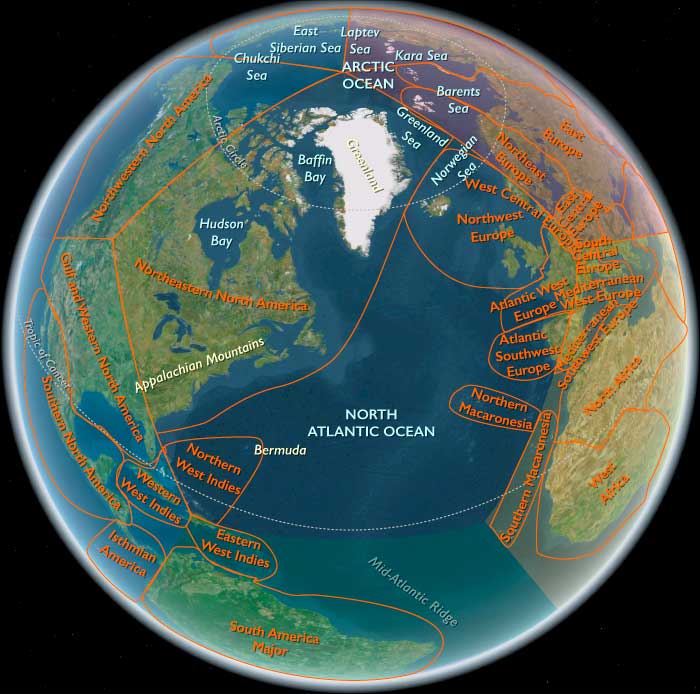
Atlantic West Europe (1216–1227): Consolidating Royal Power, Economic Vitality, and Intellectual Progress
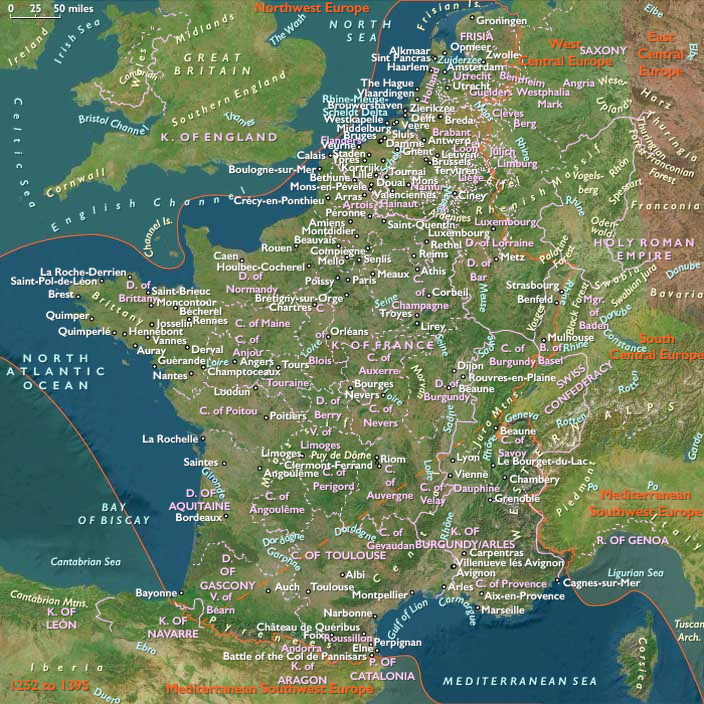
Between 1216 and 1227, Atlantic West Europe—including the Low Countries, Brittany, Normandy, Aquitaine, Burgundy, central France, Alsace, and Franche-Comté—experienced a period of political stabilization following significant territorial realignments, alongside sustained economic growth, dynamic urban expansion, and substantial cultural and intellectual advancements.
Political and Military Developments
-
France: Strengthening Capetian Authority
- Under Philip II Augustus (r. 1180–1223) and subsequently Louis VIII (r. 1223–1226), the French crown consolidated power in territories newly acquired from the Angevin Empire, notably Normandy and Anjou.
- Louis VIII reinforced royal control through decisive campaigns in Poitou and further weakened Angevin influence in southwestern France.
-
England and Aquitaine: Shifting Loyalties
- With the decline of Angevin power after King John's death in 1216, Aquitaine became increasingly isolated, facing internal dissent and external pressure from the Capetian monarchy.
- Henry III's accession as a child (1216–1272) left English possessions on the continent vulnerable, weakening Angevin claims.
-
Brittany: Regional Autonomy under French Influence
- The Breton duchy remained nominally independent but increasingly fell under Capetian influence due to dynastic connections and strategic pressures from neighboring French territories.
-
Burgundy and the Low Countries: Political Stability
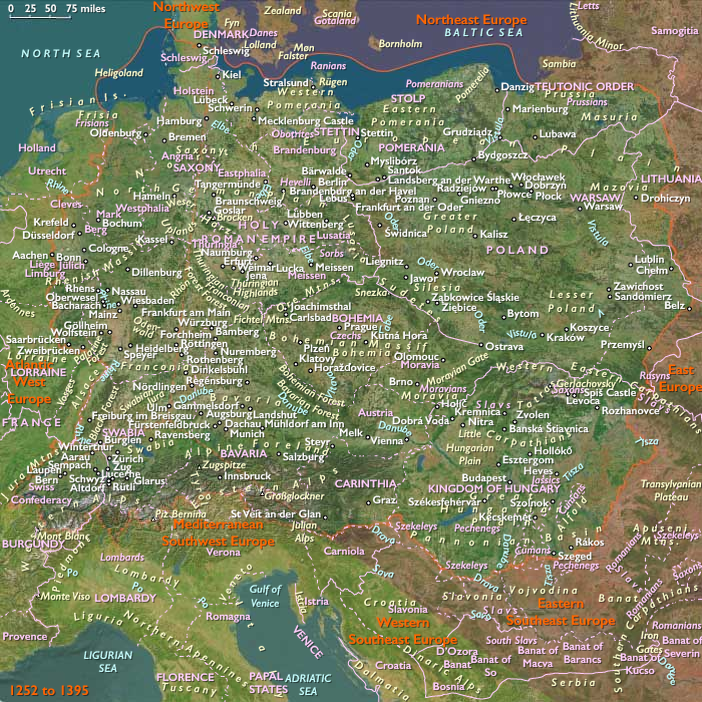
- Burgundy, under Duke Odo III (r. 1192–1218) and his successor Hugh IV (r. 1218–1272), maintained autonomy, adeptly navigating the complex political landscape dominated by the Capetian kings and Holy Roman Empire.
- In Flanders, Countess Joan (1205–1244) maintained economic prosperity while carefully balancing French and imperial interests.
Economic and Social Developments
-
Urbanization and Commercial Expansion
- Major urban centers, including Bruges, Ghent, Rouen, and Paris, continued to flourish as economic hubs, benefiting from robust trade networks and the continued importance of the Champagne fairs.
- Increased specialization in textiles, wool, and luxury goods supported urban economic vitality, boosting regional prosperity.
-
Agricultural Innovation and Population Growth
- Ongoing agricultural advancements, including crop rotation improvements and enhanced farming techniques, drove rural productivity and sustained population increases, further supporting urban development.
Cultural and Intellectual Developments
-
Gothic Architecture’s Ascendancy
- Gothic architectural styles became widespread, notably with continued construction at cathedrals like Chartres and Reims. These structures embodied both religious devotion and urban prestige.
-
Expansion of Scholasticism
- The University of Paris gained international prominence, attracting notable scholars like William of Auvergne and Robert Grosseteste, who contributed significantly to theology and early scientific inquiry.
-
Courtly Literature and Romance
- The popularity of Arthurian legends and chivalric literature continued to rise, particularly with the works of poets like Chrétien de Troyes, enhancing cultural connections between regions.
Religious Developments
-
Albigensian Crusade (1209–1229)
- The continuation of the Albigensian Crusade in southern France intensified religious fervor throughout the region, impacting political allegiances and reinforcing the authority of the Catholic Church in combating perceived heresy.
-
Monastic Growth and Reform
- Cistercian and other monastic orders continued to expand their spiritual and economic influence, founding monasteries that enhanced both regional productivity and cultural life.
Legacy and Significance
The period 1216–1227 was characterized by a marked consolidation of Capetian power, reshaping Atlantic West Europe's political landscape after the Angevin Empire’s decline. The sustained economic growth, coupled with dynamic cultural and intellectual developments, reinforced the region’s significance and set enduring foundations for its influence throughout the High Middle Ages.
Atlantic West Europe (1228–1239): Consolidation of Capetian Authority, Urban Expansion, and Cultural Flourishing
Between 1228 and 1239, Atlantic West Europe—including the Low Countries, Brittany, Normandy, Aquitaine, Burgundy, central France, Alsace, and Franche-Comté—experienced continued political stabilization, robust economic activity, expanding urbanization, and notable intellectual and cultural growth, amid ongoing religious transformation.
Political and Military Developments
-
France: Strengthening Royal Power
- Louis IX (Saint Louis, r. 1226–1270), though initially ruling under the regency of Blanche of Castile until 1234, significantly strengthened the centralized authority of the Capetian monarchy, suppressing noble revolts and furthering administrative reforms.
- The 1229 Treaty of Paris ended the Albigensian Crusade, effectively incorporating Languedoc into Capetian France, thus securing southern boundaries and enhancing royal prestige.
-
Brittany and Normandy: Integration and Autonomy
- Brittany retained nominal autonomy under Duke Peter Mauclerc (r. 1213–1237) but increasingly aligned with Capetian interests through marital and political alliances.
- Normandy, now firmly under French control, prospered economically while adjusting to centralizing royal governance.
-
Aquitaine: Continued Fragmentation
- Aquitaine remained a region of competing interests, with localized conflicts persisting as English Plantagenet authority weakened, enhancing French leverage.
-
Burgundy and the Low Countries: Stability and Economic Growth
- Burgundy under Hugh IV (r. 1218–1272) consolidated internal stability, skillfully balancing imperial and royal influences.
- In Flanders, Countess Joan (r. 1205–1244) sustained regional prosperity, balancing relations with France, England, and the Holy Roman Empire.
Economic and Social Developments
-
Urbanization and Trade Expansion
- Urban centers such as Paris, Bruges, Ghent, and Rouen continued rapid growth, supported by flourishing commerce in textiles, luxury goods, and agricultural produce.
- The Champagne fairs remained central, integrating trade networks across Europe, and fostering economic prosperity throughout the region.
-
Agricultural Innovation and Population Growth
- Continued agricultural advancements supported ongoing demographic growth, driving urban expansion and commercial activity, resulting in the region’s sustained prosperity.
Cultural and Intellectual Developments
-
Flourishing Gothic Architecture
- Gothic architecture reached new heights, exemplified by significant progress in constructing iconic cathedrals such as Amiens, Reims, and Beauvais, reflecting both civic pride and religious devotion.
-
Rise of Scholastic Philosophy
- The University of Paris solidified its reputation as Europe's preeminent intellectual center, hosting influential scholars such as Robert Grosseteste and William of Auvergne, fostering advancements in theology, philosophy, and science.
-
Courtly Literature and Cultural Patronage
- Courtly literature, particularly Arthurian romances and troubadour poetry, thrived, enriching cultural life in noble courts from Aquitaine to Champagne.
Religious Developments
-
Aftermath of the Albigensian Crusade
- The suppression of Catharism through the Albigensian Crusade solidified Catholic dominance, increasing the authority of the Church and supporting royal claims to legitimacy.
-
Monastic Influence and Expansion
- The Cistercian order and mendicant orders, especially the Franciscans and Dominicans, expanded significantly, enhancing religious education, preaching, and social influence across urban and rural communities.
Legacy and Significance
The period 1228–1239 marked an era of deepening Capetian consolidation, dynamic urban growth, and vibrant cultural expression. The integration of southern territories, flourishing economic networks, and continued intellectual leadership positioned Atlantic West Europe as a leading center of medieval European power, culture, and prosperity
Atlantic West Europe (1240–1251): Capetian Consolidation, Rising Urban Economies, and Intellectual Dynamism
From 1240 to 1251, Atlantic West Europe—including the Low Countries, Brittany, Normandy, Aquitaine, Burgundy, central France, Alsace, and Franche-Comté—experienced further consolidation of royal authority, continued economic vitality, deepening urban growth, and influential intellectual and cultural developments, laying the foundations for the transition from the High Middle Ages into the Late Medieval period.
Political and Military Developments
-
France: Strengthening Capetian Centralization
- Louis IX (Saint Louis, r. 1226–1270) continued consolidating royal authority, establishing a more effective justice system, enforcing peace among nobles, and initiating far-reaching administrative reforms.
- Louis IX participated in the Seventh Crusade (1248–1254), temporarily shifting royal attention overseas, though domestic administration remained stable due to robust governance systems established during his reign.
-
Brittany and Normandy: Stable Autonomy and Integration
- Brittany, under Duke John I (r. 1237–1286), maintained relative autonomy while strengthening its diplomatic ties with the French crown, reinforcing regional stability.
- Normandy continued its integration into royal France, enhancing economic prosperity and benefiting from centralized administration.
-
Aquitaine: Shifts in Angevin Influence
- Continued rivalry between the Capetian kings and English Plantagenet authority intensified regional instability. However, French influence steadily increased, laying groundwork for future conflicts.
-
Burgundy and the Low Countries: Political Stability and Economic Expansion
- Under Hugh IV of Burgundy (r. 1218–1272), the duchy experienced continued stability, managing complex relationships with France and the Empire.
- In Flanders, Countess Joan of Constantinople (r. 1205–1244) and subsequently her successors sustained economic prosperity through textiles, trade, and diplomacy.
Economic and Social Developments
-
Expansion of Trade and Commerce
- Cities such as Bruges, Ghent, Rouen, and Paris continued rapid economic expansion driven by textile manufacturing, luxury trades, and long-distance commerce, maintaining strong connections with Mediterranean and North Sea trade networks.
- The Champagne fairs remained significant, solidifying Atlantic West Europe's central role in international trade.
-
Urbanization and Guild Development
- Urban populations expanded considerably, leading to increased prominence of guilds that regulated production, trade practices, and worker welfare, shaping urban governance and social structures.
Cultural and Intellectual Developments
-
Advancement of Gothic Architecture
- Gothic architecture continued its vibrant evolution, with significant progress in monumental cathedrals such as Amiens and Chartres, showcasing innovative techniques in vaulting, sculpture, and stained glass.
-
Scholasticism and Intellectual Growth
- The University of Paris remained a foremost intellectual center, nurturing figures such as Thomas Aquinas, who studied and taught in Paris from 1245, significantly influencing medieval philosophy and theology.
-
Literary and Cultural Flourishing
- Continued patronage of courtly literature, poetry, and troubadour traditions enriched the region's cultural life, reflecting courtly ideals, religious devotion, and chivalric values.
Religious Developments
-
Influence of Crusading Ideals
- Louis IX's Seventh Crusade (1248–1254), despite limited military success, reinforced crusading ideals, shaping popular religious sentiment and royal legitimacy.
-
Expansion of Mendicant Orders
- Franciscans and Dominicans expanded significantly, playing crucial roles in education, preaching, and combating heresy, enhancing their social and spiritual influence.
Legacy and Significance
The years 1240–1251 marked a period of increased political consolidation under Capetian leadership, vibrant economic growth, dynamic urbanization, and significant intellectual and cultural advancement. This era solidified Atlantic West Europe’s position as a critical hub in medieval Europe, preparing the region for the transitions and challenges of the Late Middle Ages.
The Strengthening of the Duchy of Burgundy Under Capetian Rule
The Duchy of Burgundy flourished under Capetian rule, benefiting from a well-organized administrative system that mirrored the royal court of Paris. Over time, the dukes of Burgundy consolidated their power, fostering institutional stability and expanding their territories.
Burgundy’s Administrative Development
- A ducal court, modeled after the royal court in Paris, emerged as the center of political authority.
- The Jours Généraux, sitting at Beaune, functioned as a regional counterpart to the Parliament of Paris, reinforcing the duchy’s legal autonomy.
- Local government was strengthened by the imposition of bailiffs (baillis) over provosts and lords of the manor, ensuring greater ducal control.
- The duchy was divided into five Bailiages, further centralizing administration and justice.
The Expansion of Burgundy Under Hugh IV
Under Duke Hugh IV (r. 1218–1272), the Duchy of Burgundy expanded significantly, acquiring the Counties of Chalon and Auxonne, which further solidified Burgundian influence in eastern France.
Hugh IV and the Crusades
- Hugh IV participated in the Crusade of 1239–1241, organized by Emperor Frederick II and King Theobald I of Navarre.
- He allied his Burgundian troops with those led by Richard of Cornwall, a key leader of the campaign.
- This coalition successfully retook Ascalon, a strategic city in the Holy Land, and negotiated a peace settlement with the Mamluk rulers of Egypt in 1241.
Claim to the Kingdom of Thessalonica
Hugh IV also laid claim to the Kingdom of Thessalonica, a crusader state founded after the Fourth Crusade (1204). However, by the time of his claim, Thessalonica had already been recaptured by the Byzantine Greeks of the Empire of Nicaea, making his title purely nominal.
Legacy of Hugh IV’s Rule
Hugh IV’s reign strengthened the Duchy of Burgundy, transforming it into a politically stable and administratively advanced territory. His expansionist policies and participation in crusading efforts elevated Burgundy’s prestige but also reflected the waning influence of Crusader ambitions in the Eastern Mediterranean.
Over the following centuries, Burgundy would grow into a powerful and semi-independent state, playing a crucial role in late medieval European politics.
Atlantic West Europe (1264–1275): Expansion, Conflict, and Cultural Flourishing
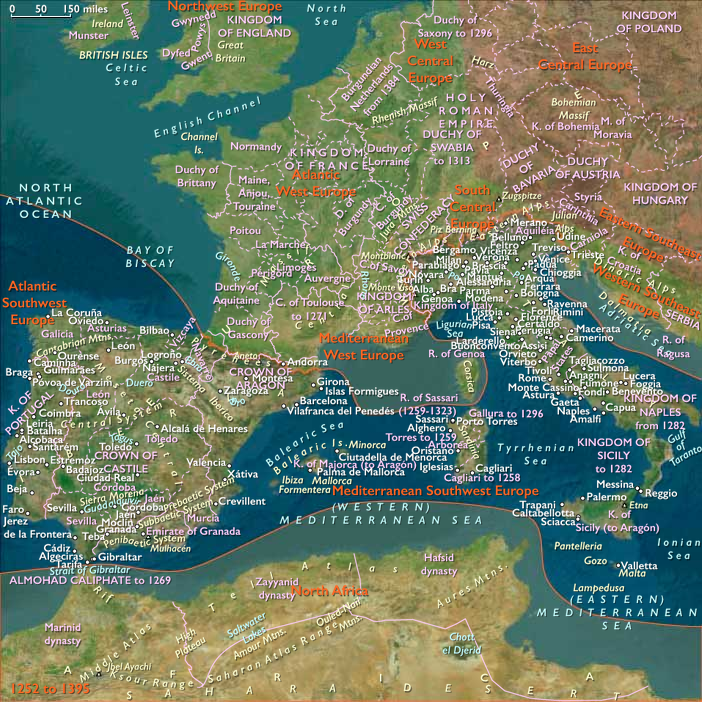
Between 1264 and 1275, Atlantic West Europe—encompassing the Low Countries and all of France north of an imaginary line from Mount Orhy in the Pyrenees to Bois-d'Amont near the Swiss border, including Aquitaine, Brittany, Normandy, Burgundy, central France, Alsace, and Franche-Comté—experienced significant territorial expansion, political conflicts, and cultural achievements. The period saw continuing consolidation of royal power, heightened tensions between rival feudal entities, robust economic growth, and notable developments in intellectual and cultural life.
Political and Military Developments
-
France: Strengthening of Royal Authority
-
Louis IX (Saint Louis, r. 1226–1270) continued his policy of strengthening royal administration through judicial reforms and increased oversight of regional nobility.
-
Louis IX's second crusade (Eighth Crusade, 1270), though unsuccessful, reinforced France’s international prestige but resulted in the king's death in Tunis, leading to the succession of Philip III (the Bold, r. 1270–1285).
-
-
Low Countries: Economic Power and Dynastic Stability
-
Cities in Flanders, especially Bruges, solidified their commercial and political power through trade privileges, becoming central to European economic networks.
-
Brabant, under John I (r. 1267–1294), stabilized its territory through internal administrative reforms and diplomatic marriages.
-
-
Burgundy, Alsace, and Franche-Comté: Regional Autonomy and Diplomacy
-
The Duchy of Burgundy balanced loyalty to the French crown and its independent regional interests, maintaining strong internal governance under Hugh IV (r. 1218–1272) and Robert II (r. 1272–1306).
-
Alsace and Franche-Comté continued navigating their complex positions between French and Imperial authority, ensuring considerable regional autonomy.
-
-
Brittany and Normandy: Preserving Regional Influence
-
Brittany, under Duke John I, retained considerable independence, negotiating strategic alliances while preserving Breton culture and legal autonomy.
-
Normandy, tightly integrated into France, enjoyed political stability and increased economic prosperity under centralized French administration.
-
Economic and Social Developments
-
Trade Expansion and Urban Prosperity
-
Flemish textile trade reached new heights, especially in Bruges and Ghent, driving substantial urban growth and wealth accumulation.
-
Bordeaux and La Rochelle prospered from expanded maritime trade, especially in wine exports from Aquitaine to England and northern Europe.
-
-
Agricultural Innovation and Rural Prosperity
-
Improvements in agricultural methods and productivity contributed to regional economic stability, supporting vibrant local markets and annual fairs, particularly in Champagne.
-
Cultural and Intellectual Developments
-
Gothic Architecture and Artistic Flourishing
-
Continued construction of monumental Gothic cathedrals, including ongoing work at Amiens, Chartres, and Strasbourg, reflected growing urban wealth and spiritual aspirations.
-
Patronage by wealthy merchants and nobility supported a flowering of visual arts, illuminated manuscripts, and sculpture.
-
-
Educational and Scholarly Advancements
-
The University of Paris maintained its status as Europe's premier academic center, attracting leading scholars such as Thomas Aquinas, whose works profoundly influenced theology and philosophy.
-
Religious Developments
-
Monastic Influence and Ecclesiastical Reforms
-
Religious orders, notably Dominicans and Franciscans, continued their educational and missionary roles, influencing urban communities through preaching and social outreach.
-
Ecclesiastical reforms promoted stricter adherence to clerical discipline, enhancing the church’s moral and social authority.
-
Legacy and Significance
The era 1264–1275 was characterized by continued territorial consolidation, economic prosperity, cultural and intellectual vitality, and the stabilization of regional powers. Despite the failure of Louis IX’s final crusade, France maintained its trajectory toward greater centralization and international prominence. The flourishing urban economies, particularly in Flanders and Aquitaine, combined with vibrant cultural and intellectual life, laid essential foundations for further developments in Atlantic West Europe.