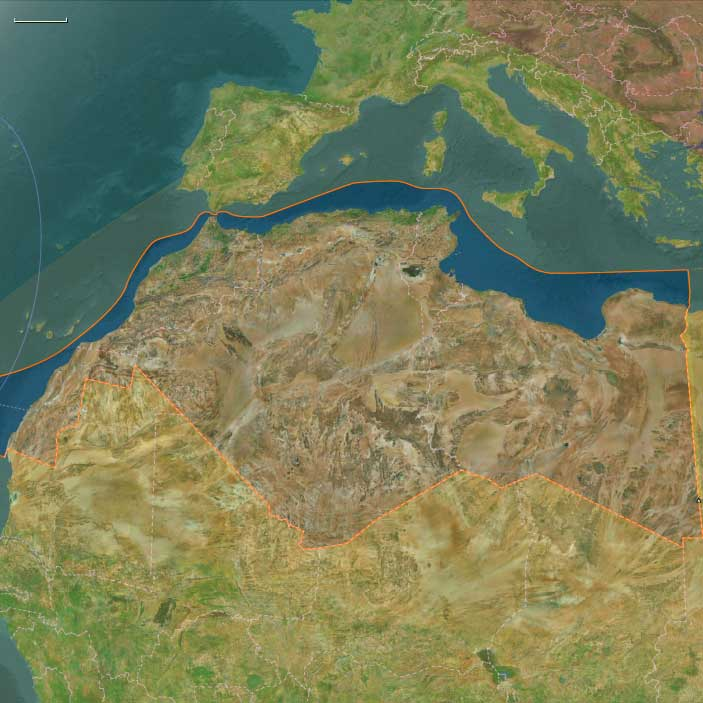
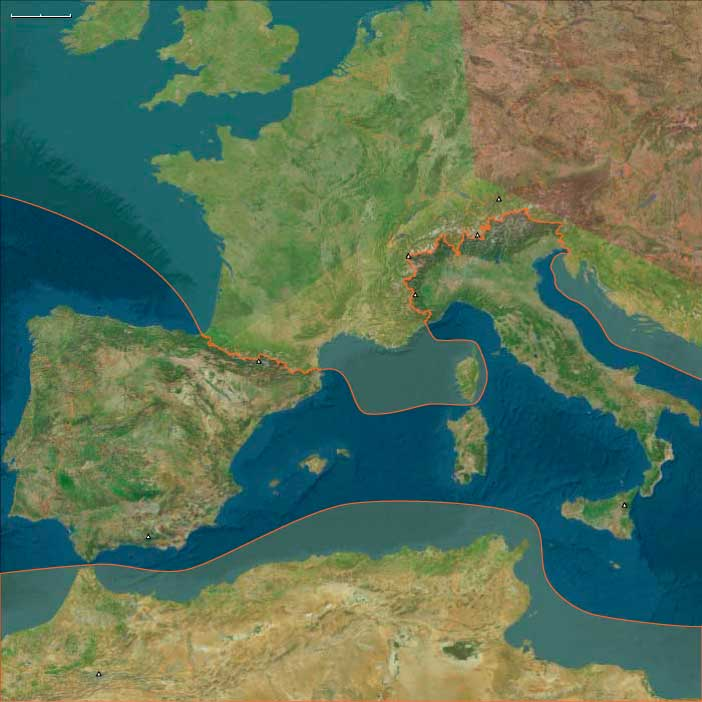
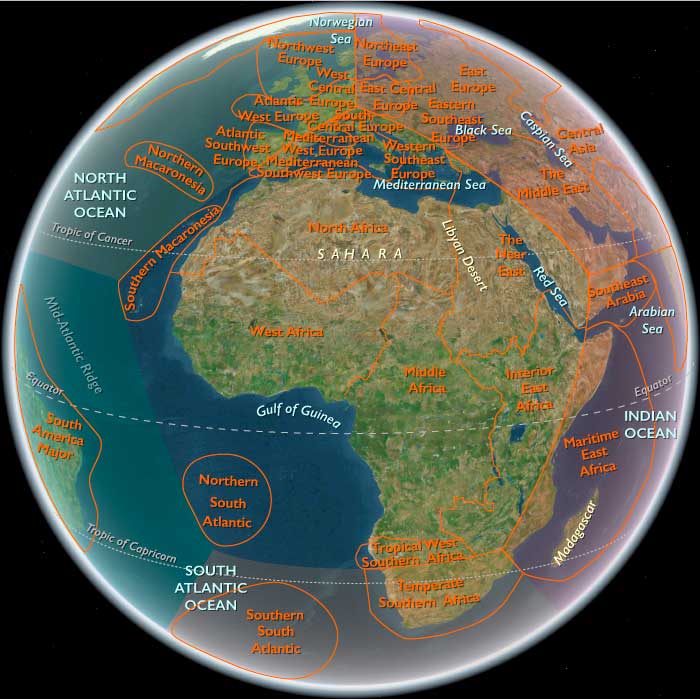
North Africa (1984–1995 CE)
Economic Struggles, Political Unrest, and International Realignments
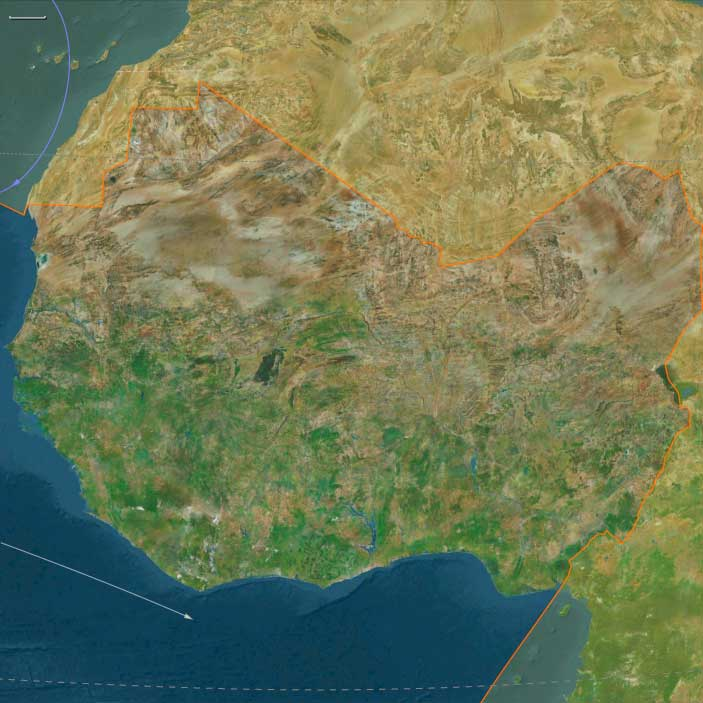
The period between 1984 and 1995 in North Africa is marked by widespread economic difficulties, rising political unrest, significant international realignments, and ongoing regional tensions. Authoritarian regimes remain dominant, although socioeconomic pressures and global events increasingly challenge their stability and control.
Algeria: Economic Crisis and the Rise of Political Islam
Under President Chadli Bendjedid, Algeria faces deepening economic troubles exacerbated by declining oil and gas revenues in the mid-1980s. The government introduces economic liberalization measures aimed at encouraging private sector growth and foreign investment. However, these reforms lead to severe social dislocations, increased unemployment, and widening economic inequalities.
Public frustration culminates in widespread protests and riots in October 1988, prompting Bendjedid to initiate unprecedented political reforms, including a new constitution in 1989 that allows multiparty elections. These reforms inadvertently empower Islamist groups, particularly the Islamic Salvation Front (FIS), which gains significant electoral support.
The FIS’s electoral victory in local elections in 1990, followed by a decisive win in the first round of parliamentary elections in December 1991, alarms the military and secular political elites. In January 1992, the military intervenes, cancels elections, forces Bendjedid’s resignation, and bans the FIS, triggering a brutal and prolonged civil war that plunges Algeria into violence and instability.
Tunisia: Transition from Bourguiba to Ben Ali
Tunisia experiences major political changes when the aging President Habib Bourguiba is deposed in a bloodless coup led by Prime Minister Zine El Abidine Ben Ali in November 1987. Ben Ali initially promises democratic reforms, liberalization, and greater political openness. Early reforms include limited political pluralism, amnesty for political prisoners, and increased media freedoms.
However, by the early 1990s, Ben Ali reverses these liberal policies, consolidating power through authoritarian measures, tightly controlled elections, suppression of political opposition—particularly Islamist groups—and extensive surveillance. Despite these restrictions, Tunisia maintains relative social stability and moderate economic growth through continued investment in education, healthcare, and tourism.
Libya: Confrontation, Sanctions, and Isolation
Under Colonel Muammar Gaddafi, Libya’s confrontational foreign policy leads to escalating international isolation. Tensions with Western powers, especially the United States, intensify dramatically. In 1986, following accusations of Libyan involvement in terrorist activities, the United States launches airstrikes against Tripoli and Benghazi in retaliation.
Libya faces further international condemnation and isolation after the bombing of Pan Am Flight 103 over Lockerbie, Scotland, in 1988, attributed to Libyan intelligence operatives. The United Nations imposes severe economic sanctions on Libya in 1992, crippling its economy and isolating it diplomatically.
Domestically, Gaddafi continues his revolutionary Jamahiriya policies, relying heavily on security forces to suppress dissent. Economic hardships mount, as sanctions significantly affect Libya’s oil-dependent economy, leading to widespread shortages and social discontent.
Morocco: Hassan II’s Pragmatism and Continued Western Sahara Conflict
In Morocco, King Hassan II maintains his authoritarian rule but gradually introduces cautious political and economic reforms aimed at easing internal pressures and improving international relations. Limited political liberalization includes carefully managed multiparty parliamentary elections, while economic reforms seek to encourage foreign investment and private enterprise.
The Western Sahara conflict remains a significant source of tension and expenditure. Despite international efforts, including ceasefire negotiations sponsored by the United Nations in 1991, a final resolution remains elusive. The protracted conflict continues to drain Moroccan resources and complicate regional diplomacy, although Morocco maintains strong ties with Western allies, notably France and the United States.
Regional Dynamics and Global Influences
Throughout this period, North Africa is deeply affected by global geopolitical shifts, notably the end of the Cold War. The decline of Soviet influence alters regional alignments, prompting North African nations to recalibrate international alliances and economic strategies. The region’s oil-dependent economies experience severe strain due to fluctuating global prices, prompting varying degrees of economic reform and austerity measures.
The increasing strength of political Islam emerges as a major regional dynamic, influencing political developments and societal tensions across North Africa. Governments respond with repression or limited accommodation, while underlying social issues—such as unemployment, poverty, and lack of political freedom—remain largely unaddressed, contributing to persistent instability and social unrest.
By 1995, North Africa confronts ongoing challenges characterized by authoritarian resilience, economic volatility, and deepening social divisions. These conditions set the stage for further complexities in the years ahead, with prospects for reform, conflict, and social upheaval remaining uncertain.