Horatio Nelson, 1st Viscount Nelson
British flag officer famous for his service in the Royal Navy
Years: 1758 - 1805
Horatio Nelson, 1st Viscount Nelson, 1st Duke of Bronté, KB (29 September 1758 – 21 October 1805) is a flag officer famous for his service in the Royal Navy, particularly during the Napoleonic Wars.
He is noted for his inspirational leadership and superb grasp of strategy and unconventional tactics, which result in a number of decisive naval victories.
He is wounded several times in combat, losing one arm and the sight in one eye.
Of his several victories, the best known and most notable is the Battle of Trafalgar in 1805, during which he is shot and killed.
Nelson was born into a moderately prosperous Norfolk family and joins the navy through the influence of his uncle, Maurice Suckling.
He rises rapidly through the ranks and serves with leading naval commanders of the period before obtaining his own command in 1778.
He develops a reputation in the service through his personal valor and firm grasp of tactics but suffers periods of illness and unemployment after the end of the American War of Independence.
The outbreak of the French Revolutionary Wars allows Nelson to return to service, where he is particularly active in the Mediterranean.
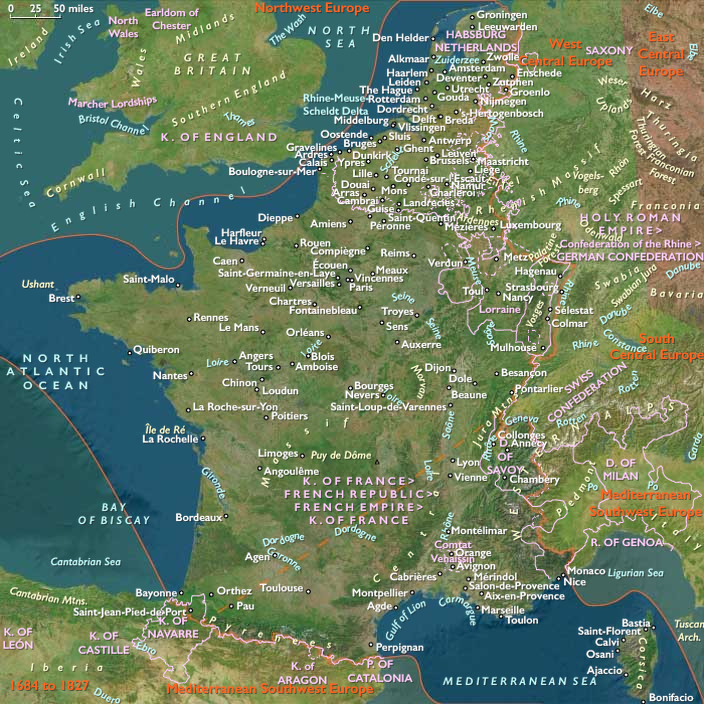
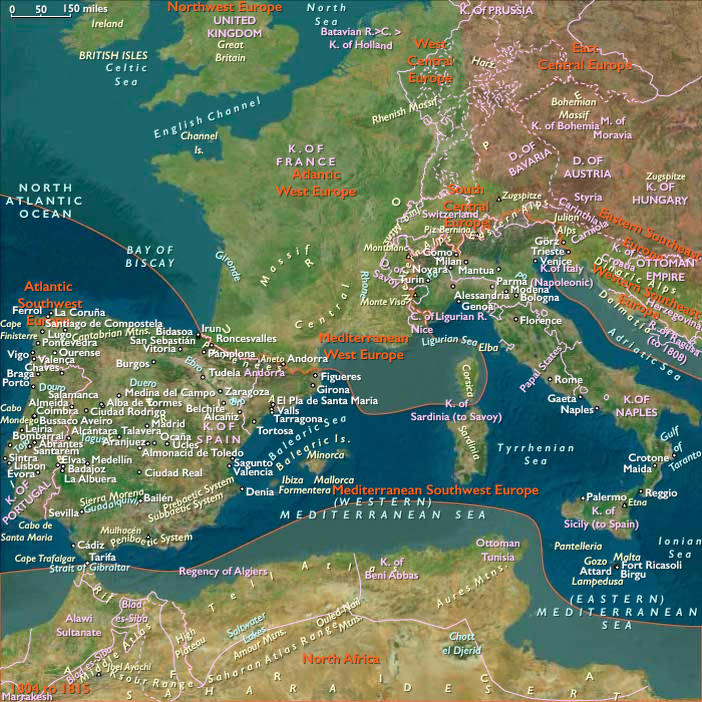
He fights in several minor engagements off Toulon and is important in the capture of Corsica and subsequent diplomatic duties with the Italian states.
In 1797, he distinguishes himself while in command of HMS Captain at the Battle of Cape St. Vincent.
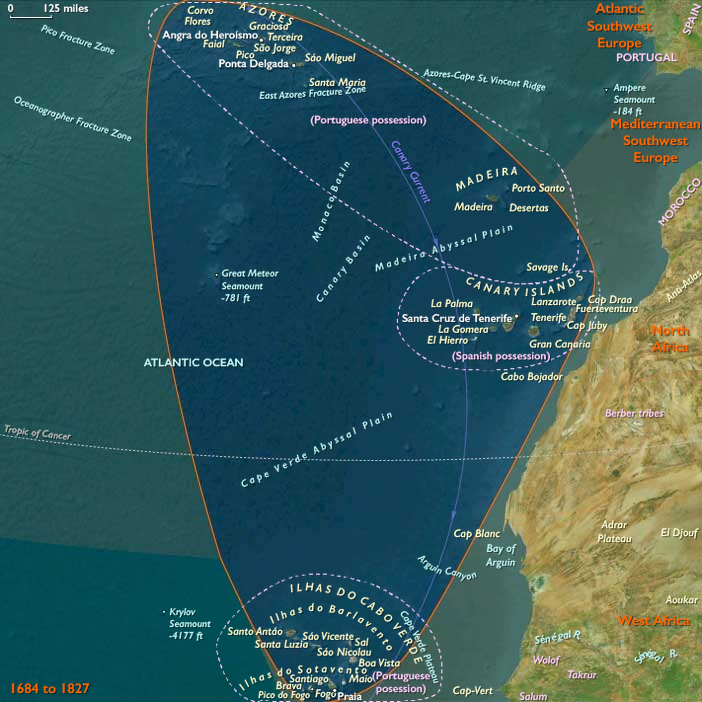
Shortly after the battle, Nelson takes part in the Battle of Santa Cruz de Tenerife, where his attack is defeated and he is badly wounded, losing his right arm, and is forced to return to England to recuperate.
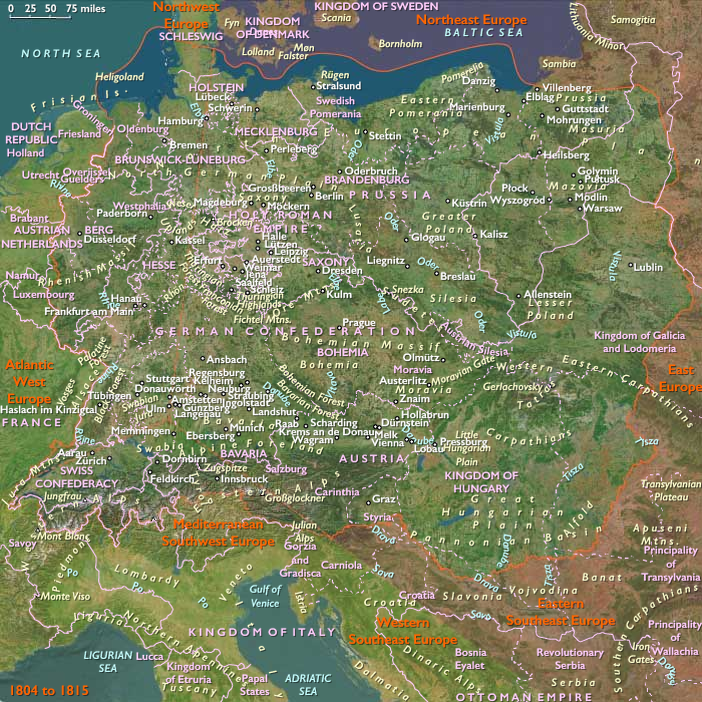
The following year, he wins a decisive victory over the French at the Battle of the Nile and remains in the Mediterranean to support the Kingdom of Naples against a French invasion.
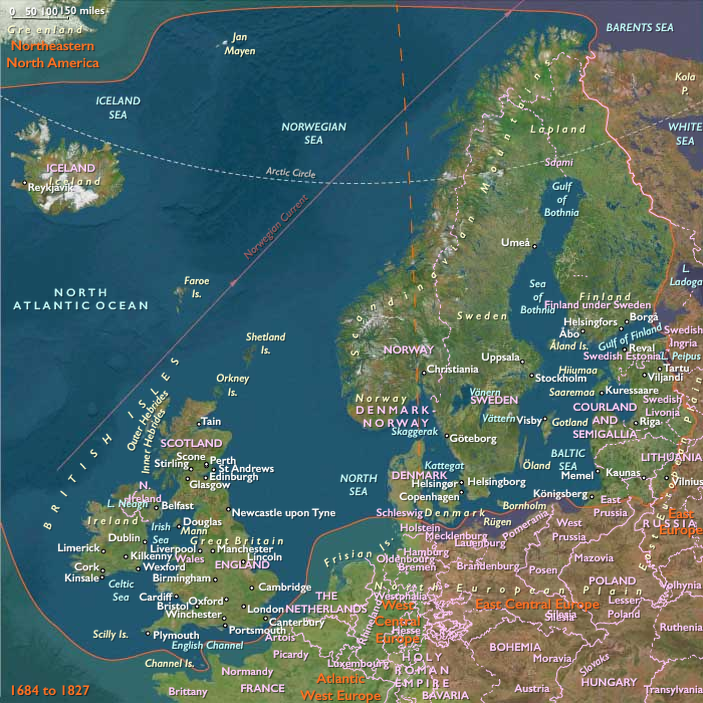
In 1801, he is dispatched to the Baltic and wins another victory, this time over the Danes at the Battle of Copenhagen.
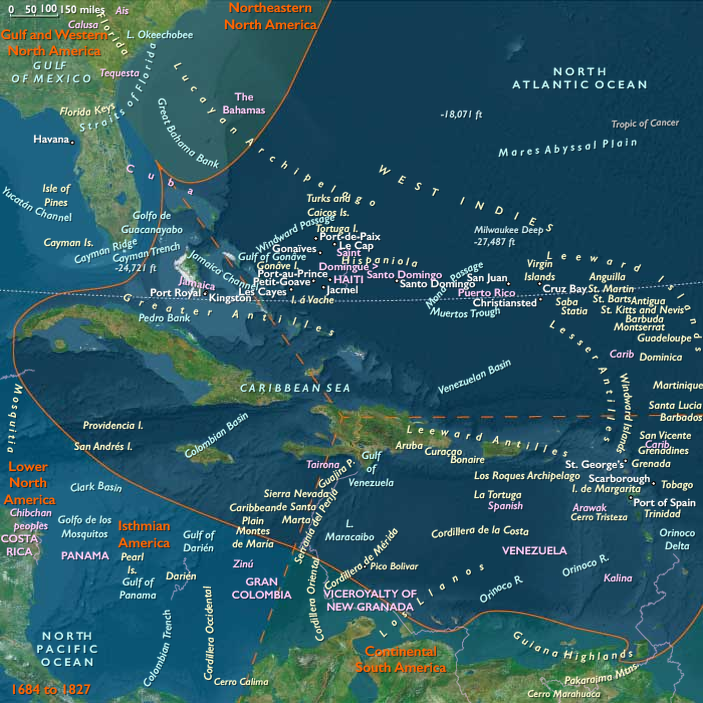
He subsequently commands the blockade of the French and Spanish fleets at Toulon and, after their escape, chases them to the West Indies and back but fails to bring them to battle.
After a brief return to England, he takes over the Cádiz blockade in 1805.
On 21 October 1805, the Franco-Spanish fleet comes out of port, and Nelson's fleet engages them at the Battle of Trafalgar.
The battle is Britain's greatest naval victory, but during the action Nelson is fatally wounded by a French sniper.
His body is brought back to England where he is accorded a state funeral.
Nelson's death at Trafalgar secured his position as one of Britain's most heroic figures.
Numerous monuments, including Nelson's Column in Trafalgar Square, London, have been created in his memory and his legacy remains highly influential.