Herbert Hoover
American engineer, businessman, and politician who serves as the 31st president of the United States
Years: 1874 - 1964
Herbert Clark Hoover (August 10, 1874 – October 20, 1964) is an American engineer, businessman, and politician who serves as the 31st president of the United States from 1929 to 1933.
A member of the Republican Party, he holds office during the onset of the Great Depression.
Prior to serving as president, Hoover leads the Commission for Relief in Belgium, serves as the director of the U.S. Food Administration, and serves as the 3rd U.S. Secretary of Commerce.
Born to a Quaker family in West Branch, Iowa, Hoover takes a position with a London-based mining company after graduating from Stanford University in 1895.
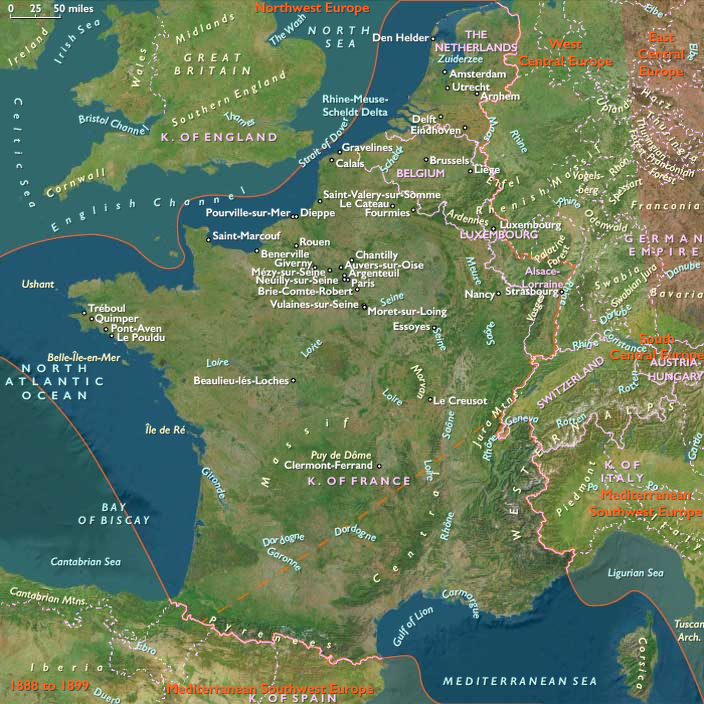
After the outbreak of the Great War, he becomes the head of the Commission for Relief in Belgium, an international relief organization that provides food to occupied Belgium.
When the U.S. enters the war, President Woodrow Wilson appoints Hoover to lead the Food Administration, and Hoover becomes known as the country's "food czar".
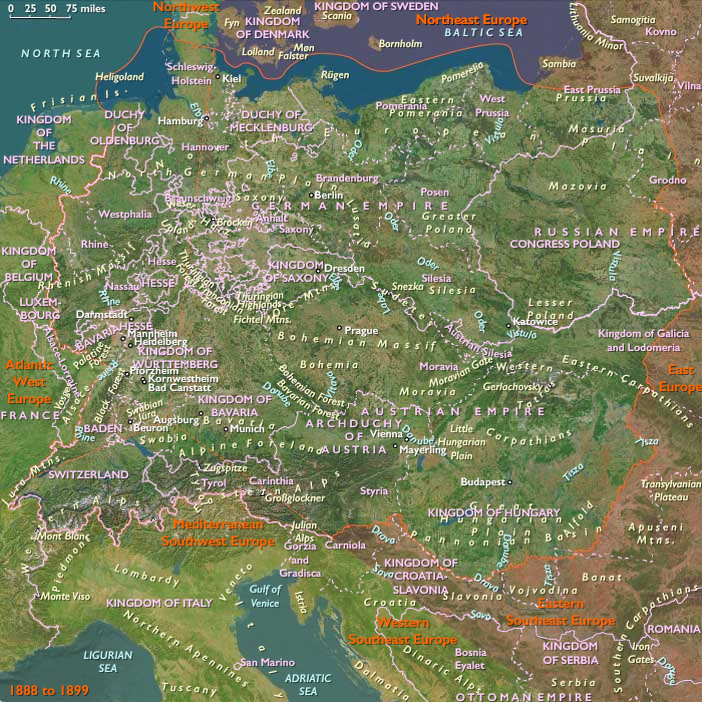
After the war, Hoover leads the American Relief Administration, which provides food to the inhabitants of Central Europe and Eastern Europe.
Hoover's war-time service makes him a favorite of many progressives, and he unsuccessfully seeks the Republican nomination in the 1920 presidential election.
After the 1920 election, newly-elected Republican President Warren G. Harding appoints Hoover as Secretary of Commerce; Hoover continues to serve under President Calvin Coolidge after Harding dies in 1923.
Hoover is an unusually active and visible cabinet member, becoming known as "Secretary of Commerce and Under-Secretary of all other departments".
He is influential in the development of radio and air travel and led the federal response to the Great Mississippi Flood of 1927.
Hoover wins the Republican nomination in the 1928 presidential election, and decisively defeats the Democratic candidate, Al Smith.
The stock market crashes shortly after Hoover takes office, and the Great Depression becomes the central issue of his presidency.
Hoover pursues a variety of policies in an attempt to lift the economy, but opposes directly involving the federal government in relief efforts.
In the midst of an ongoing economic crisis, Hoover is decisively defeated by Democratic nominee Franklin D. Roosevelt in the 1932 presidential election.
Hoover enjoys one of the longest retirements of any former president, and he authors numerous works.
After leaving office, Hoover becomes increasingly conservative, and he strongly criticizes Roosevelt's foreign policy and New Deal domestic agenda.
In the 1940s and 1950s, Hoover's public reputation is rehabilitated as he serves for Presidents Harry S. Truman and Dwight D. Eisenhower in various assignments, including as chairman of the Hoover Commission.
Nevertheless, Hoover is generally not ranked highly in historical rankings of presidents of the United States.