The defeat at Stilo had forced Otto II to flee north to Rome.
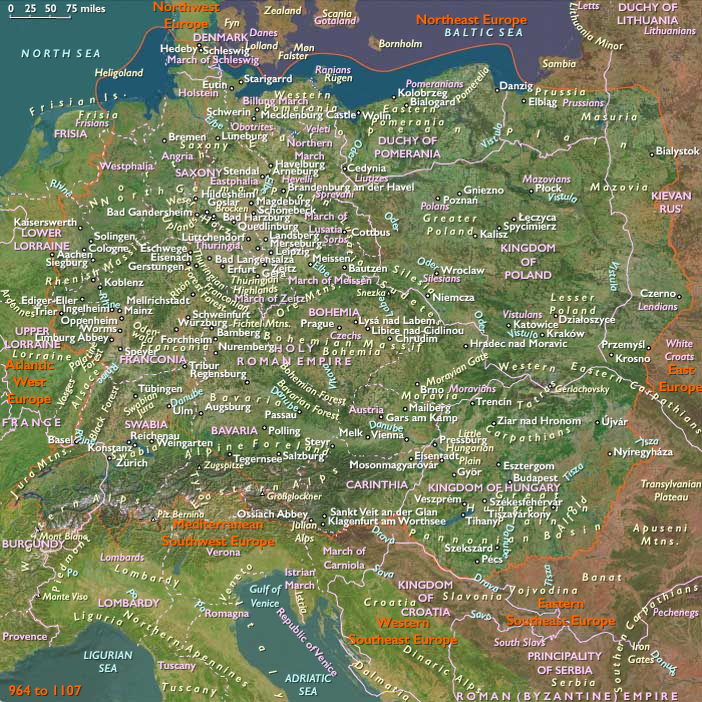
He now holds an Imperial Diet at Verona on Pentecost, 983.
He had sent his nephew Otto I, Duke of Swabia and Bavaria, back to Germany with the news of the defeat and to call the German nobles to the assembly, but he had died en route on November 1, 982, in Lucca.
News of the battle had crossed the Alps, however, reaching as far as Wessex in Britain, signifying of the magnitude of the defeat.
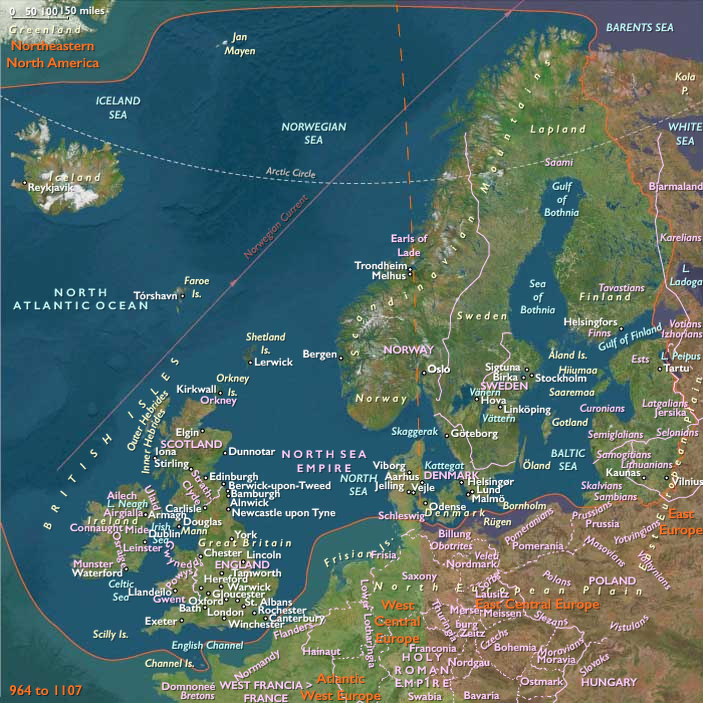
Duke Bernard I of Saxony had been heading south for the assembly when Danish Viking raids forced him to return to face the Viking threat.
At the assembly, Otto II appoints Conrad (a distant relative of Otto II) and Henry III as the new Dukes of Swabia and Bavaria respectively.
Henry III had previously been exiled by Otto II following his defeat as part of a two-year revolt against Otto II's rule.
The defeat at Stilo had cost the Empire many nobles, forcing Otto II to lift Henry III's banishment in order to stabilize domestic affairs in Germany while he campaigns against the Muslim and Eastern Romans in southern Italy.
Also, the appointment of Conrad I allows the House of the Conradines to return to power in Swabia for the first time since Emperor Otto I in 948.
Otto II and the assembled nobles agree on a strategy of naval blockade and economic warfare until reinforcement from Germany can arrive.
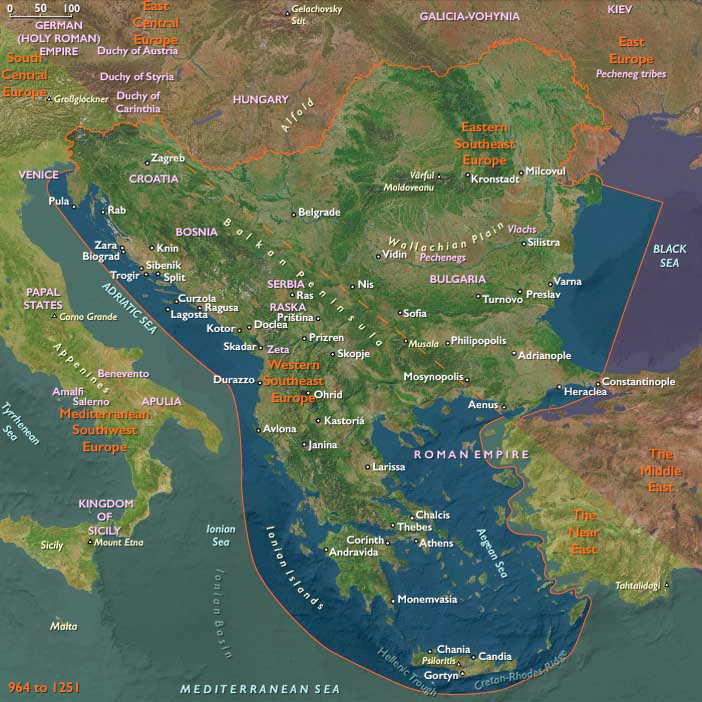
Otto II now prepares for a new campaign against the Muslims and obtains a settlement with the Republic of Venice, whose assistance he needs following the destruction of his army at Stilo.
However, Otto II's death the next year and the resulting civil war will prevent the Empire from appropriately responding to the defeat.
The most important action Otto II takes at the assembly is to secure the "election" of his son Otto III, who is now only three years old, as King of Germany and heir apparent to the Imperial throne.
Otto III thus becomes the only German king elected south of the Alps.
The exact reason for this unusual procedure has been lost to history.
It is possible that the conditions in southern Italy following the defeat required Otto II to act quickly in designating an Imperial heir to ensure connivence in the Empire's future.
It is also conceivable, however, that holding the election in Italy was a deliberate choice on the part of Otto II in order to demonstrate that Italy was an equal part of the Empire on the same level as Germany.
His election secured, Otto III and his mother, the Empress Theophanu, travel north across the Alps heading for Aachen, the traditional coronation site for the Ottonians, in order for Otto III to be officially crowned as king.
Otto II stays in Italy to further address his military campaigns.