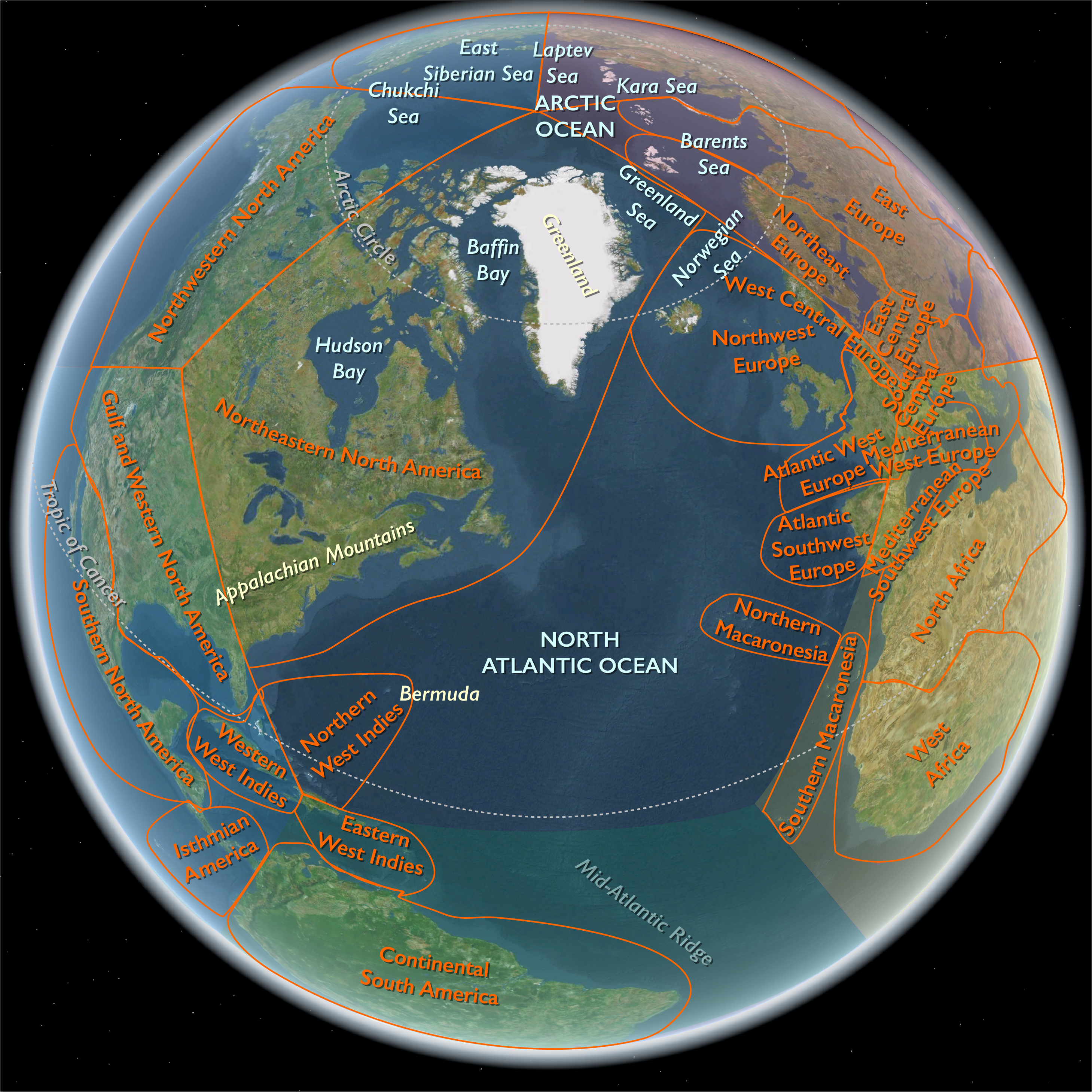
Atlantic West Europe (1900–1911): Belle Époque, Social Reform, and Rising Tensions
Between 1900 and 1911, Atlantic West Europe—encompassing northern France, Belgium, the Netherlands, Luxembourg, and coastal regions along the Atlantic and English Channel—experienced an era of remarkable cultural vibrancy, significant social reforms, rapid technological advancement, and intensifying political tensions. The period, often referred to as the Belle Époque, was characterized by optimism and prosperity, juxtaposed with deepening divisions that foreshadowed the upheavals soon to come.
Political and Military Developments
Stability and Polarization in France
-
France maintained relative political stability under the Third Republic, with presidents Émile Loubet (1899–1906) and Armand Fallières (1906–1913), but the lingering divisions from the Dreyfus Affair continued to polarize public opinion.
-
The formation of the socialist SFIO (Section Française de l'Internationale Ouvrière) in 1905, led by Jean Jaurès, signaled the increasing influence of socialist politics in France.
Belgium: Social Reform and Colonial Criticism
-
Belgium, under King Leopold II (until 1909), faced intensified international condemnation for atrocities in the Congo Free State, leading to its transfer to Belgian parliamentary control in 1908, becoming the Belgian Congo.
-
Belgium enacted progressive social reforms, including the introduction of proportional representation (1899) and growing support for workers’ rights and universal suffrage demands.
Stable Constitutional Monarchy in the Netherlands
-
The Netherlands, under Queen Wilhelmina, experienced political stability and gradual democratic reforms. Social legislation improved labor conditions, pensions, and insurance systems.
-
The Dutch parliament maintained neutrality and balanced relations among European powers, bolstering economic prosperity.
Luxembourg: Economic Prosperity and Neutrality
Economic and Technological Developments
Industrial Expansion and Technological Innovation
-
Northern France’s heavy industries, especially in metallurgy, coal mining, and textiles, continued thriving. Major industrial cities such as Lille, Roubaix, Tourcoing, and Dunkirk expanded, supported by technological advancements in manufacturing processes.
-
Belgium's industrial sectors, particularly steel and chemicals in Wallonia, and textile and maritime trade in Flanders (Antwerp, Ghent), flourished, contributing significantly to economic growth.
Maritime and Commercial Growth
-
Rotterdam and Antwerp further solidified their positions as major global ports. Rotterdam expanded its harbor and infrastructure, becoming one of the largest ports worldwide by the decade's end.
-
Maritime trade connected the region deeply with global markets, enhancing economic prosperity and fostering cultural exchanges.
Advances in Infrastructure and Transportation
-
Rail networks and electrified tramways greatly improved connectivity, facilitating regional trade and mobility. Belgium and the Netherlands extensively developed their transportation infrastructure, strengthening urban economies.
Social Developments: Labor Movements and Reforms
Rise of Organized Labor and Socialist Movements
-
Socialist parties and labor unions significantly strengthened their political influence across France, Belgium, and the Netherlands. Notably, Belgium’s Belgian Workers’ Party (POB/BWP), and the French SFIO, pushed for extensive labor reforms, improved working conditions, and broader suffrage rights.
-
Labor unrest, exemplified by major strikes such as the French miners' strikes (1902, 1906), underscored continuing social tensions and compelled governments to implement meaningful reforms.
Expansion of Social Legislation
-
Belgium and the Netherlands pioneered important social legislation: improved workers’ protections, reduction of working hours, establishment of pension systems, and early welfare state policies.
-
France introduced labor laws improving conditions and safety in factories, though progress on social welfare lagged compared to its neighbors.
Women’s Rights Movements
-
Feminist activism surged, particularly in France and the Netherlands, where movements for women’s suffrage, educational opportunities, and legal equality gained momentum. Notable figures like Aletta Jacobs (Netherlands) led campaigns for women's suffrage and social reform.
Cultural and Intellectual Developments: Belle Époque Flourishing
Artistic Innovation and Modernism
-
The period witnessed an explosion of artistic innovation. Paris solidified its reputation as Europe's cultural capital, with artists such as Henri Matisse, Pablo Picasso, and Georges Braque developing revolutionary new styles—Fauvism and early Cubism.
-
Belgium's artistic movements flourished, especially through Art Nouveau architecture and design exemplified by architects Victor Horta and Henry van de Velde, whose distinctive buildings transformed urban aesthetics.
Literary and Intellectual Vibrancy
-
French literary life was enriched by figures such as Marcel Proust, whose introspective modernist writings would redefine narrative forms. Symbolist and modernist literature flourished throughout the Low Countries as well.
-
The intellectual climate was marked by optimism about progress and a belief in rationality, reflected in widespread engagement with scientific and philosophical discussions.
Advances in Science and Technology
-
Atlantic West Europe remained a center of groundbreaking scientific research. The discoveries of Marie Curie (awarded Nobel Prizes in 1903 and 1911), alongside rapid innovations in transportation technology (early automobiles and aircraft), positioned the region at the forefront of global innovation.
Religious and Educational Developments
Secularization and Educational Reform
-
Secularization advanced significantly in France with the 1905 law establishing the separation of Church and State, reinforcing secular republicanism in public life and education.
-
Educational systems in Belgium, France, and the Netherlands continued expanding, emphasizing universal primary education, scientific curricula, and vocational training, thus increasing literacy and social mobility.
Urbanization and Social Change
Urban Growth and Infrastructure Development
-
Urban centers like Paris, Brussels, Antwerp, Rotterdam, and Amsterdam expanded rapidly, improving public amenities (water supply, sanitation, public parks), transportation networks, and infrastructure, facilitating vibrant urban life and social interaction.
-
The rise of consumer culture, leisure activities (cafés, theaters, sports), and improved urban living standards defined the Belle Époque experience for many urban dwellers.
Persistent Social Inequalities
-
Despite overall prosperity, stark disparities persisted, particularly in industrial regions and among urban working classes. Conditions in coal mining and textile industries remained challenging, fueling labor unrest and socialist activism.
Long-Term Consequences and Historical Significance
The period 1900–1911 profoundly shaped Atlantic West Europe, blending optimism, cultural dynamism, and prosperity with underlying tensions:
-
Politically, the era saw deepening divisions and the rise of organized socialism, foreshadowing future political conflicts and ideological battles.
-
Economically, industrial prosperity and technological advancements laid a foundation for future economic strength, while unresolved social inequalities set the stage for future labor activism and reform movements.
-
Socially, advancements in labor rights, social welfare, and women’s rights movements made significant progress, shaping future societal developments.
-
Culturally, the artistic and intellectual vibrancy of the Belle Époque profoundly influenced global modernist movements, leaving a lasting legacy on Western art and culture.
By 1911, Atlantic West Europe had become a region of extraordinary cultural achievements and economic strength, yet tensions beneath the surface hinted at the dramatic upheavals soon to come, notably the devastating conflict of World War I.