Harald Hardrada
King of Norway
Years: 1015 - 1066
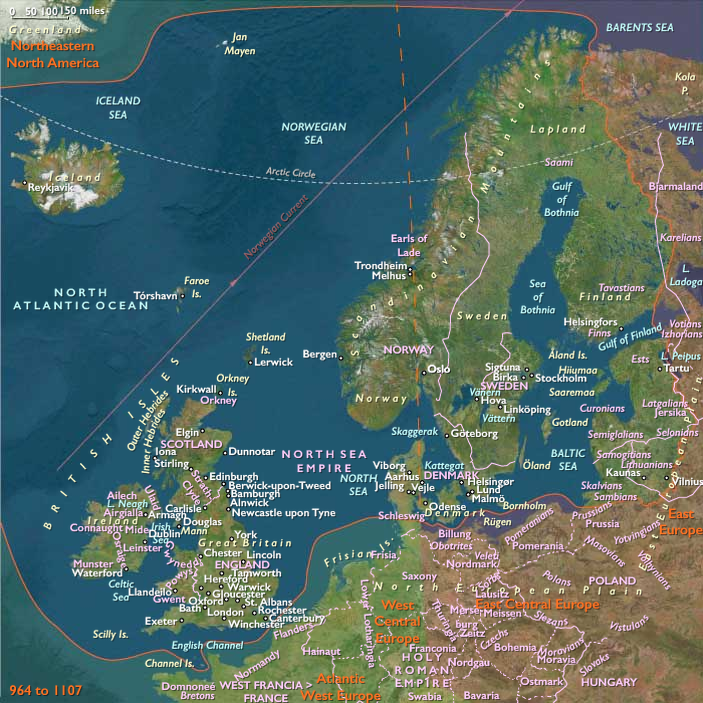
Harald Sigurdsson (c. 1015 – 25 September 1066), given the epithet Hardrada (roughly translated as "stern counsel" or "hard ruler") in the sagas, is King of Norway (as Harald III) from 1046 to 1066.
In addition, he unsuccessfully claims the Danish throne until 1064 and the English throne in 1066.
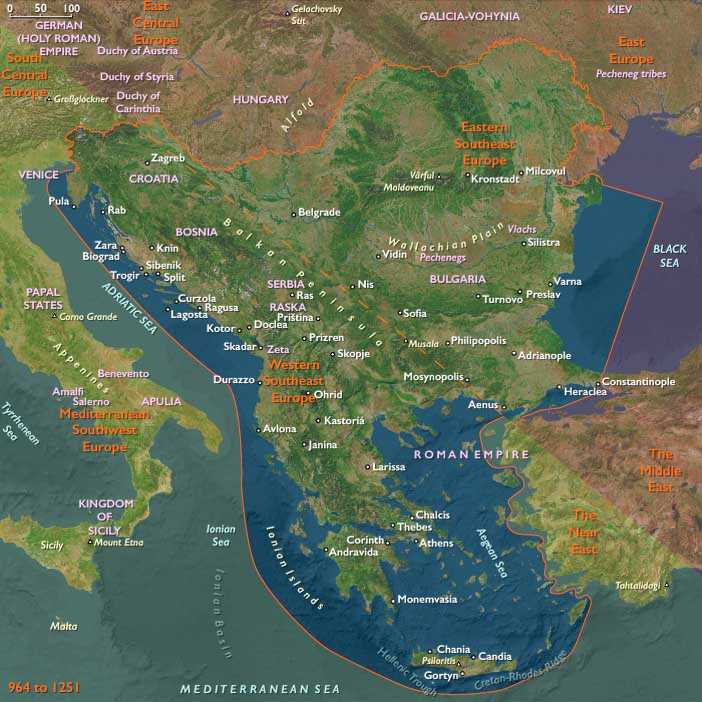
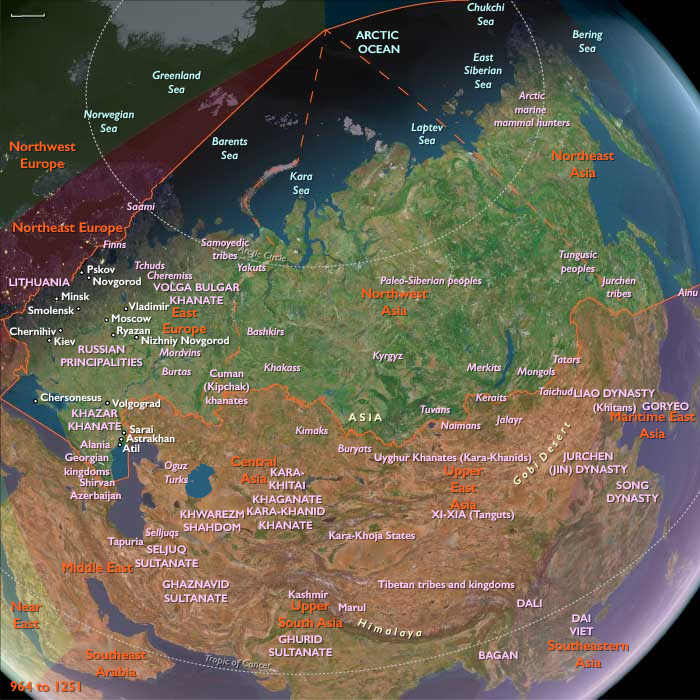
Prior to becoming king, Harald spends around fifteen years in exile as a mercenary and military commander in Kievan Rus' and in the Byzantine Empire.
When he is fifteen years old, in 1030, Harald fights in the Battle of Stiklestad together with his half-brother Olaf Haraldsson (later Saint Olaf).
Olaf seeks to reclaim the Norwegian throne, which he had lost to the Danish king Cnut the Great two years prior.
In the battle, Olaf and Harald are defeated by forces loyal to Cnut, and Harald is forced in exile to Kievan Rus'.
He thereafter spends some time in the army of Grand Prince Yaroslav the Wise, eventually obtaining rank as a captain, until he moves on to Constantinople with his companions around 1034.
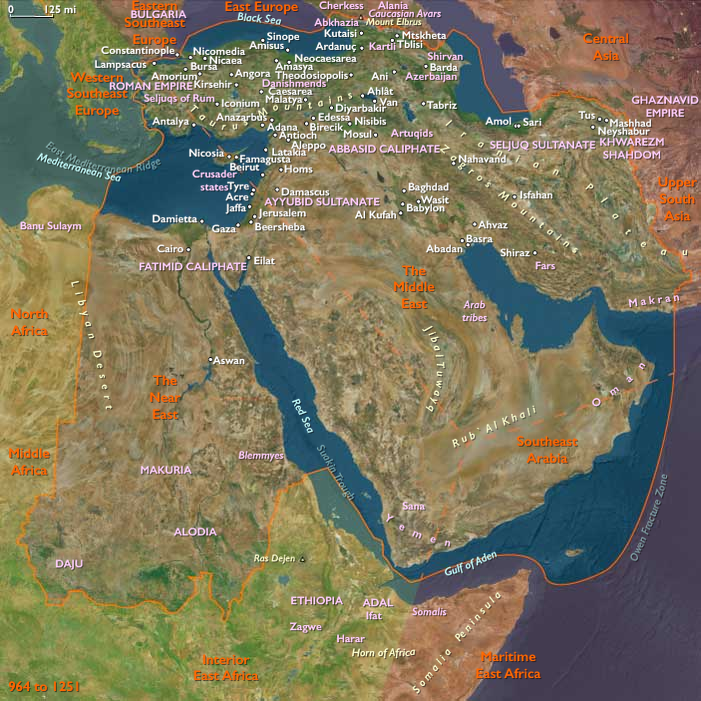
In Constantinople, he soon rises to become the commander of the Byzantine Varangian Guard, and sees action on the Mediterranean Sea, in Asia Minor, Sicily, possibly in the Holy Land, Bulgaria and in Constantinople itself, where he becomes involved in the imperial dynastic disputes.
Harald amasses considerable wealth during his time in the Byzantine Empire, which he ships to Yaroslav in Kievan Rus' for safekeeping.
He finally leaves the Byzantines in 1042, and arrives back in Kievan Rus' in order to prepare his campaign of reclaiming the Norwegian throne.
Possibly to Harald's knowledge, in his absence the Norwegian throne had been restored from the Danes to Olaf's illegitimate son Magnus the Good.
In 1046, Harald joins forces with Magnus's rival in Denmark (Magnus had also become king of Denmark), the pretender Sweyn Estridsson, and stars raiding the Danish coast.
Magnus, unwilling to fight his uncle, agrees to share the kingship with Harald, since Harald in turn will share his wealth with him.
The co-rule ends abruptly the next year as Magnus dies, and Harald thus becomes the sole ruler of Norway.
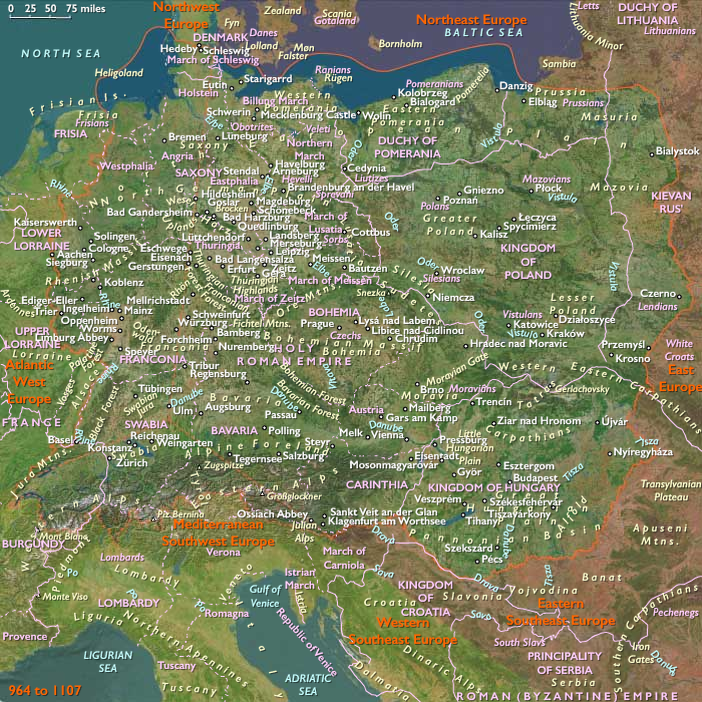
Domestically, Harald crushes all local and regional opposition, and outlines the territorial unification of Norway under a national governance.
Harald's reign is probably one of relative peace and stability, and he institutes a viable coin economy and foreign trade.
Probably seeking to restore Cnut's "North Sea Empire", Harald also claims the Danish throne, and spends nearly every year until 1064 raiding the Danish coast and fighting his former ally, Sweyn.
Although the campaigns are successful, he is never able to conquer Denmark.
Not long after renouncing his claim to Denmark, the former Earl of Northumbria, Tostig Godwinson, brother of the newly chosen English king Harold Godwinson, pledges his allegiance to Harald and invites him to claim the English throne.
Harald goes along and enters northern England in September 1066, raids the coast and defeats English regional forces in the Battle of Fulford near York.
Although initially successful, Harald is defeated and killed in an attack by Harold Godwinson's forces in the Battle of Stamford Bridge.
Modern historians have often considered Harald's death at Stamford Bridge, which brings an end to his invasion, as the end of the Viking Age.
Harald is also commonly held to have been the last great Viking king, or even the last great Viking.