Hannibal
Carthaginian military commander and tactician
Years: 247BCE - 182BCE
Hannibal, son of Hamilcar Barca (247–183 or 182 BCE) is a Phoenician/ Carthaginian military commander and tactician.
He is generally considered one of the greatest military commanders in history.
His father, Hamilcar Barca, is the leading Carthaginian commander during the First Punic War, his younger brothers are Mago and Hasdrubal, and he is brother-in-law to Hasdrubal the Fair.
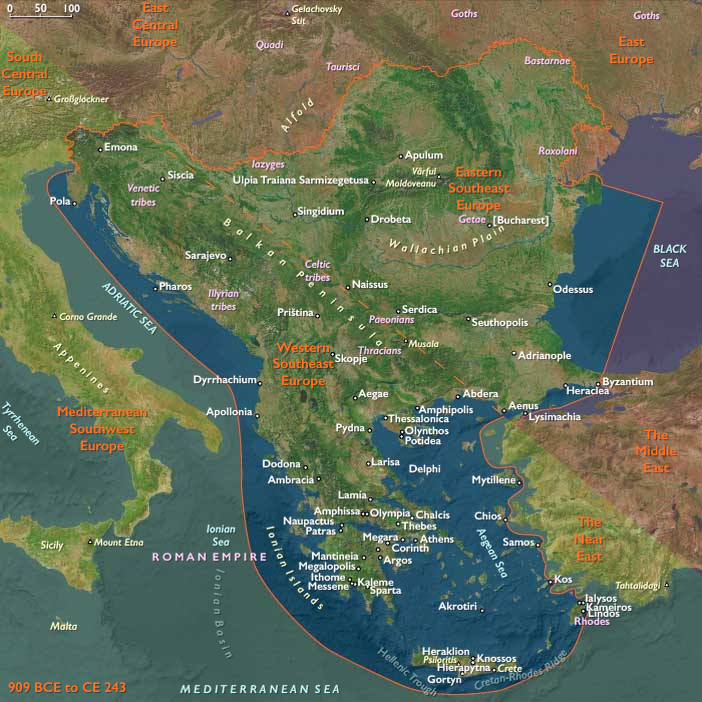
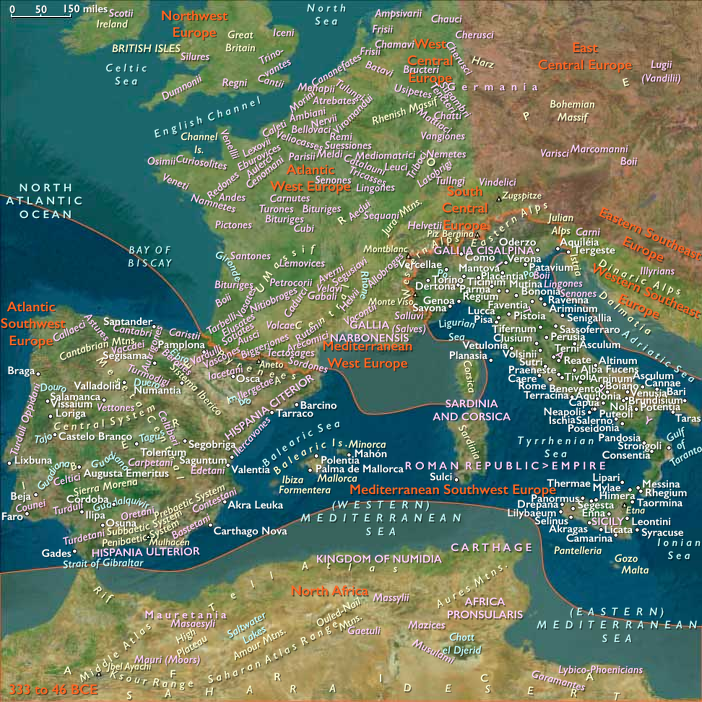
Hannibal lives during a period of great tension in the Mediterranean, when the Roman Republic establishes its supremacy over other great powers such as Carthage, the Hellenistic kingdoms of Macedon, Syracuse, and the Seleucid empire.
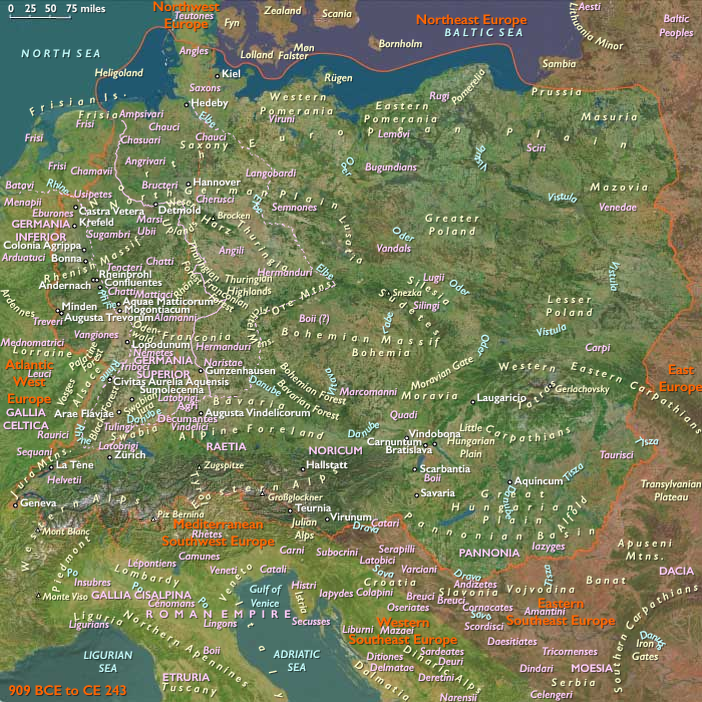
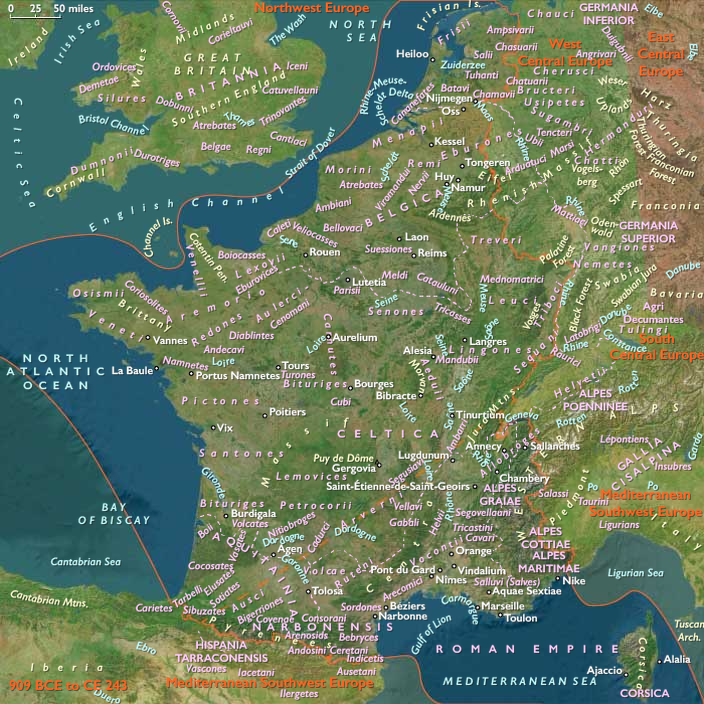
One of his most famous achievements is at the outbreak of the Second Punic War, when he marches an army, which includes war elephants, from Iberia over the Pyrenees and the Alps into northern Italy.
In his first few years in Italy, he wins three dramatic victories — Trebia, Trasimene, and Cannae — and wins over many allies of Rome.
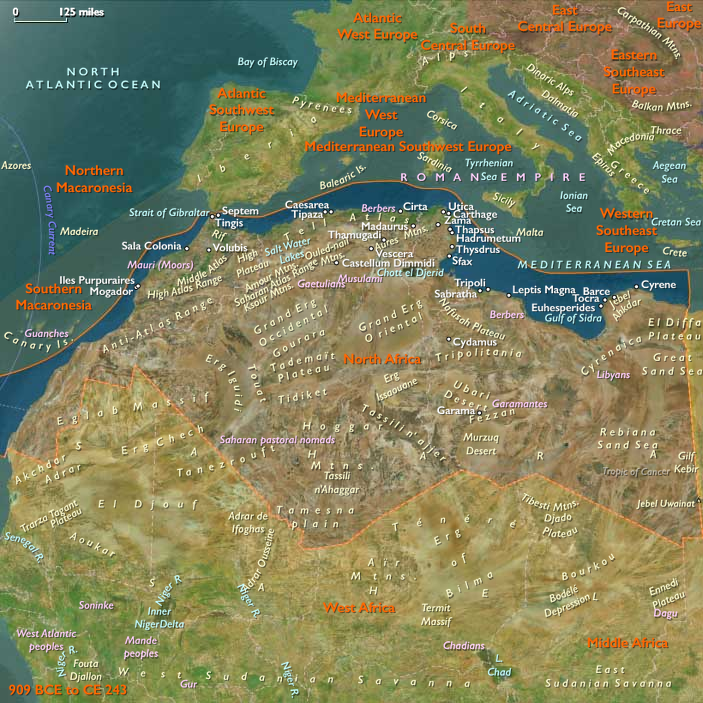
Hannibal occupies much of Italy for 15 years, but a Roman counter-invasion of North Africa forces him to return to Carthage, where he is decisively defeated by Scipio Africanus at the Battle of Zama.
Scipio had studied Hannibal's tactics and brilliantly devised some of his own, and finally defeates Rome's nemesis at Zama, having previously driven Hasdrubal, Hannibal's brother, out of the Iberian Peninsula.
After the war, Hannibal successfully runs for the office of suffete.
He enacts political and financial reforms to enable the payment of the war indemnity imposed by Rome.
However, Hannibal's reforms are unpopular with members of the Carthaginian aristocracy and in Rome, and he flees into voluntary exile.
During this time, he lives at the Seleucid court, where he acts as military adviser to Antiochus III in his war against Rome.
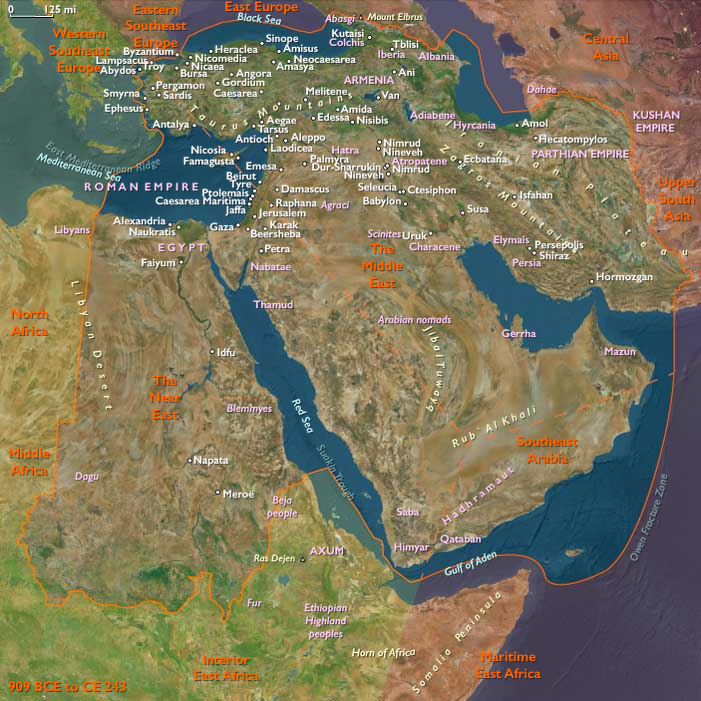
After Antiochus meets defeat at Magnesia and is forced to accept Rome's terms, Hannibal flees again, making a stop in Armenia.
His flight ends in the court of Bithynia, where he achieves an outstanding naval victory against a fleet from Pergamon.
He is afterwards betrayed to the Romans and commits suicide by poisoning himself.
Often regarded as the greatest military tactician and strategist in European history, Hannibal would later be considered one of the greatest generals of antiquity, together with Alexander the Great, Julius Caesar, Scipio, and Pyrrhus of Epirus.
Plutarch states that, when questioned by Scipio as to who was the greatest general, Hannibal is said to have replied either Alexander or Pyrrhus, then himself, or, according to another version of the event, Pyrrhus, Scipio, then himself.
Military historian Theodore Ayrault Dodge once famously called Hannibal the "father of strategy", because his greatest enemy, Rome, came to adopt elements of his military tactics in its own strategic arsenal.
This praise has earned him a strong reputation in the modern world, and he was regarded as a great strategist by men like Napoleon Bonaparte and the Duke of Wellington.