Hadrian
14th Emperor of the Roman Empire
Years: 76 - 138
Hadrian (Latin: Publius Aelius Traianus Hadrianus Augustus; 24 January 76 – 10 July 138), is a Roman Emperor from 117 to 138.
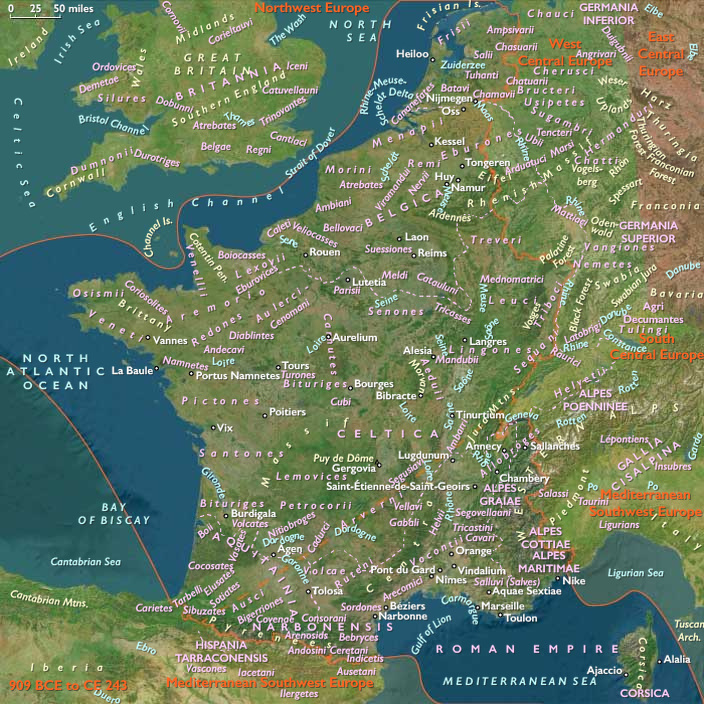
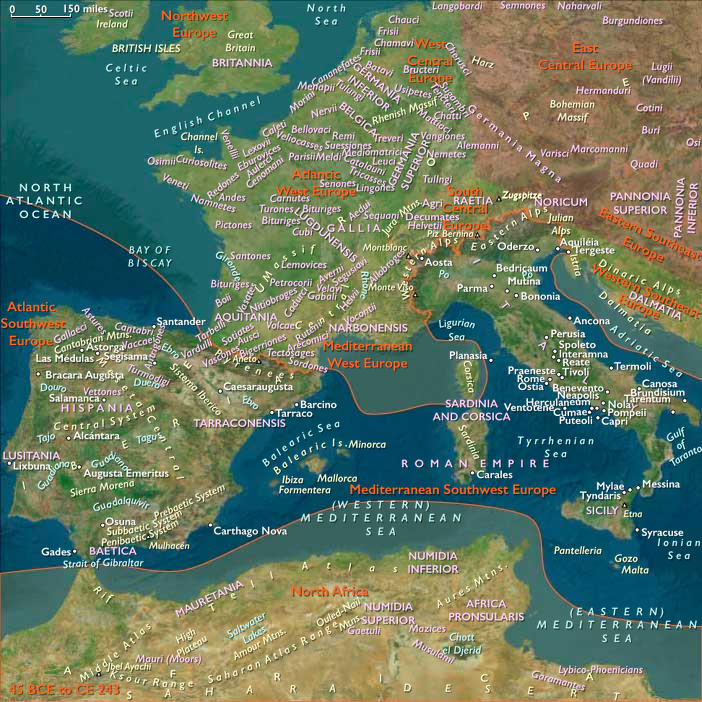
He is best known for building Hadrian's Wall, which markw the northern limit of Roman Britain.
In Rome, he rebuilds the Pantheon and constructs the Temple of Venus and Roma.
In addition to being emperor, Hadrian is a humanist and is philhellene in all his tastes.
He is the third of the so-called Five Good Emperors.
Hadrian was born Publius Aelius Hadrianus to an ethnically Italian family in Italica near Seville.
His predecessor Trajan is a maternal cousin of Hadrian's father.
Trajan never officially designates an heir, but according to his wife Pompeia Plotina, Trajan named Hadrian emperor immediately before his death.
Trajan's wife and his friend Licinius Sura are well-disposed towards Hadrian, and he may well have owed his succession to them.
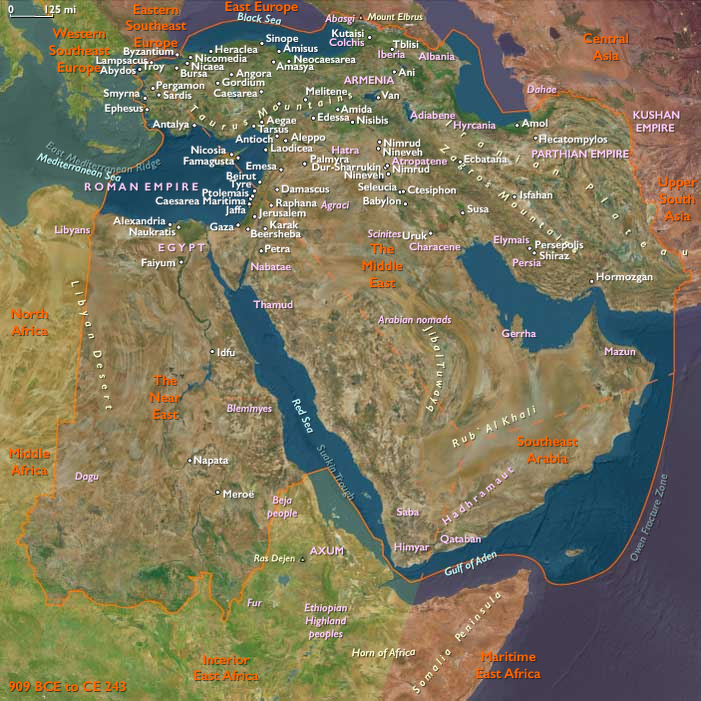
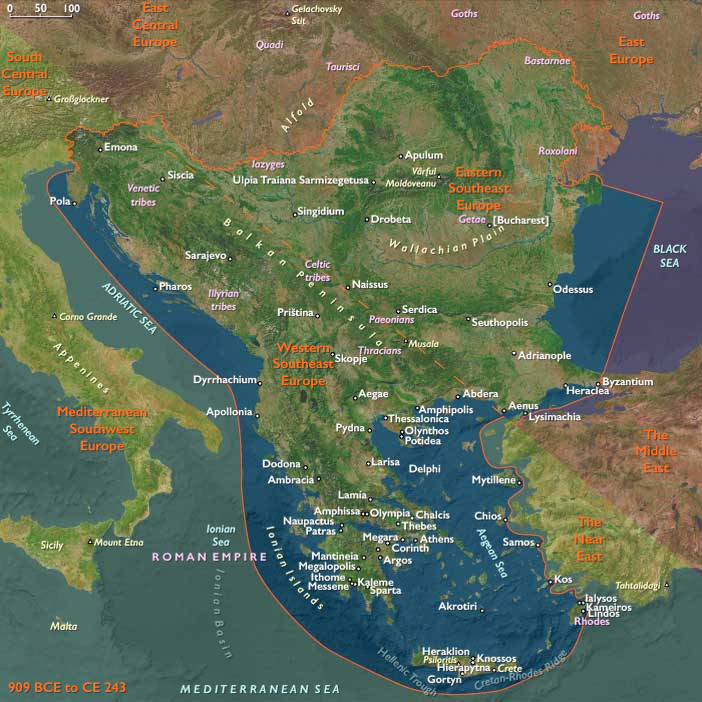
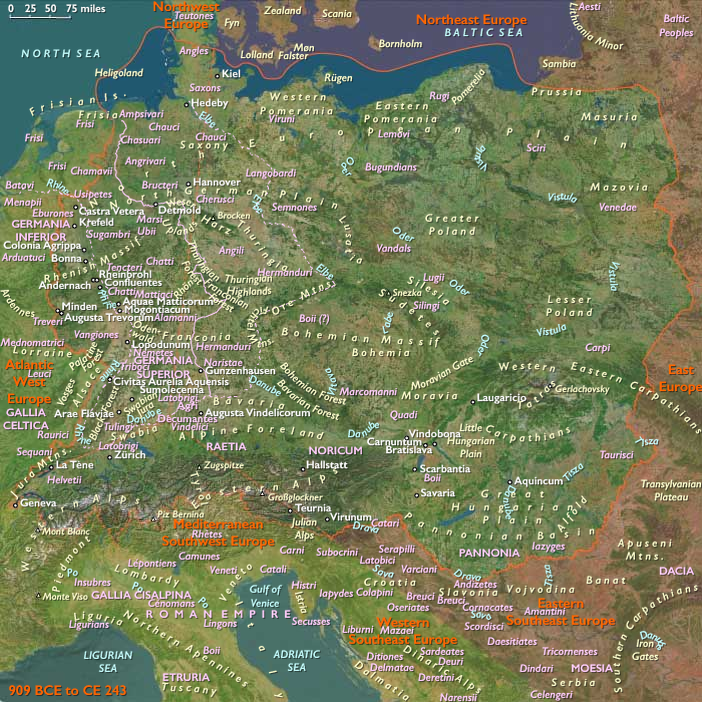
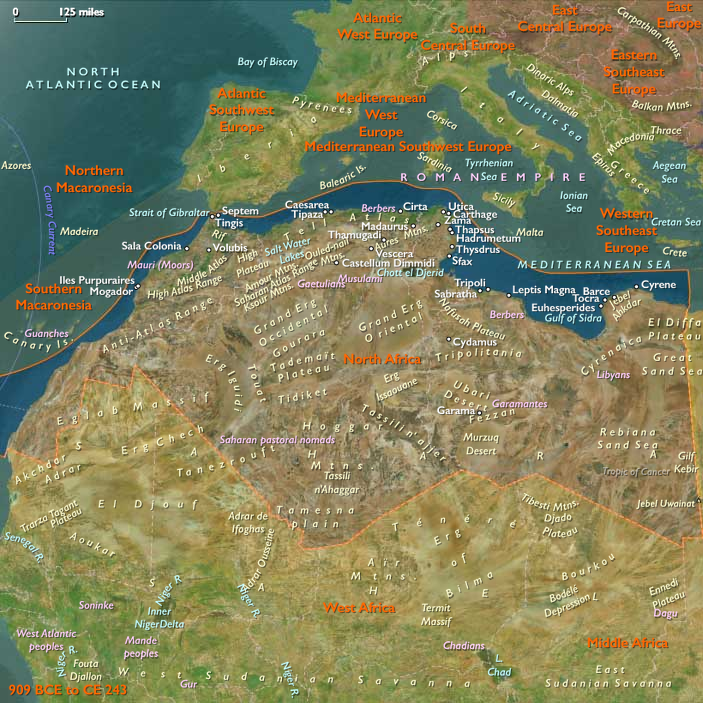
During his reign, Hadrian travels to nearly every province of the Empire.
An ardent admirer of Greece, he seeks to make Athens the cultural capital of the Empire and orders the construction of many opulent temples in the city.
He uses his relationship with his Greek favorite Antinous to underline his philhellenism and leads to the creation of one of the most popular cults of ancient times.
He spends extensive amounts of his time with the military; he usually wears military attire and even dines and sleeps among the soldiers.
He orders military training and drilling to be more rigorous and even makes use of false reports of attack to keep the army alert.
Upon his ascension to the throne, Hadrian withdraws from Trajan's conquests in Mesopotamia and Armenia, and even considers abandoning Dacia.
Late in his reign, he suppresses the Bar Kokhba revolt in Judaea, renaming the province Syria Palaestina.
In 136, an ailing Hadrian adopts Lucius Aelius as his heir, but the latter dies suddenly two years later.
In 138, Hadrian resolves to adopt Antoninus Pius if he will in turn adopt Marcus Aurelius and Aelius' son Lucius Verus as his own eventual successors.
Antoninus agrees, and soon afterward Hadrian dies at Baiae.