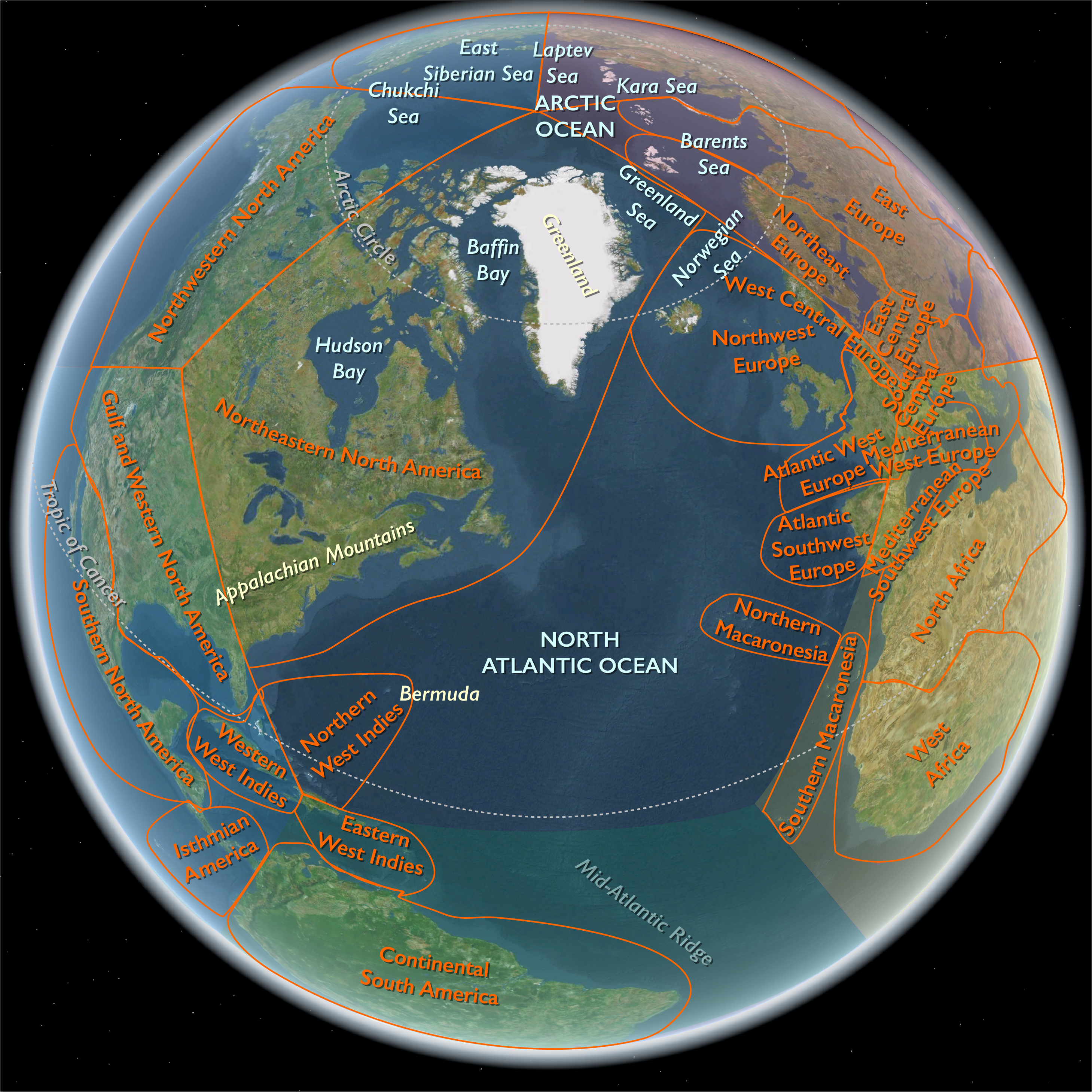
Godfrey III, Duke of Lower Lorraine
Years: 997 - 1069
Godfrey III (c. 997–1069), called the Bearded, is the eldest son of Gothelo I, duke of Upper and Lower Lorraine.
By inheritance, he is count of Verdun and he becomes margrave of Antwerp as a vassal of the duke of Lower Lorraine.
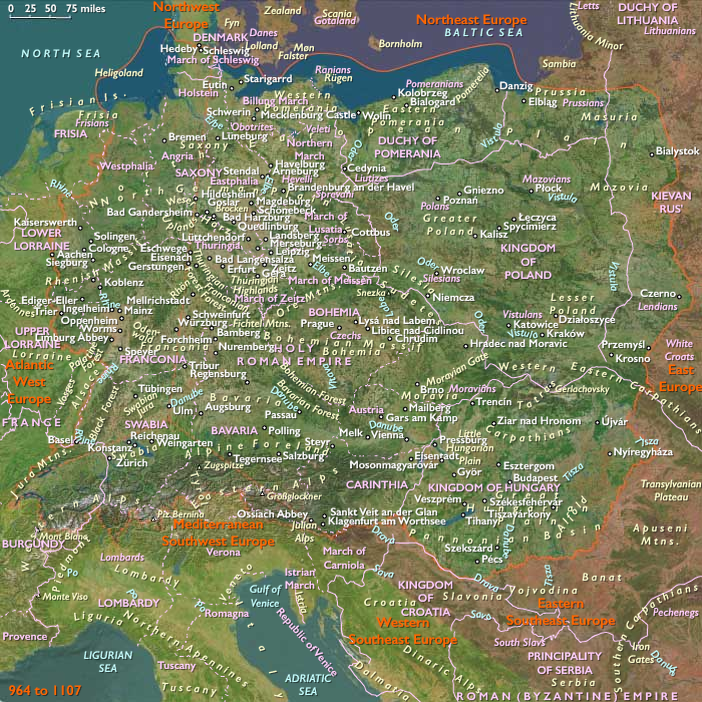
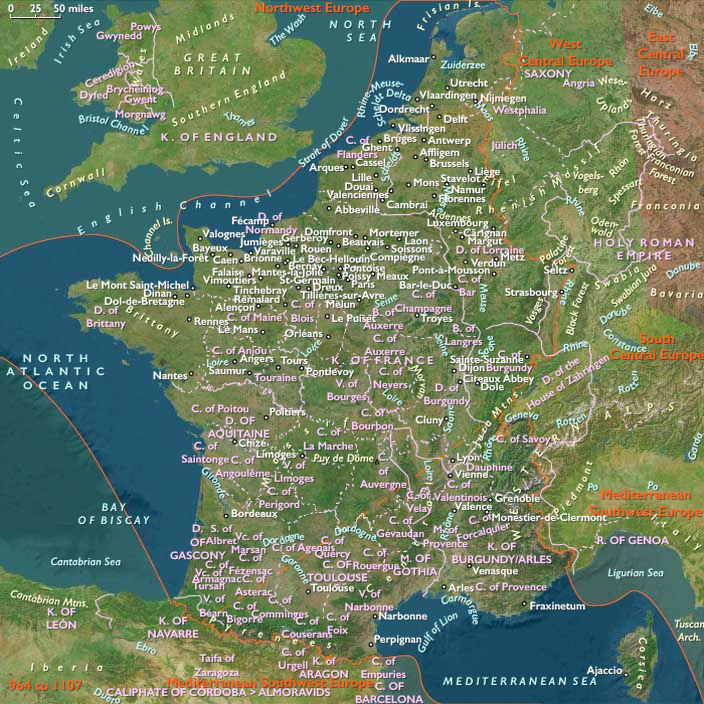
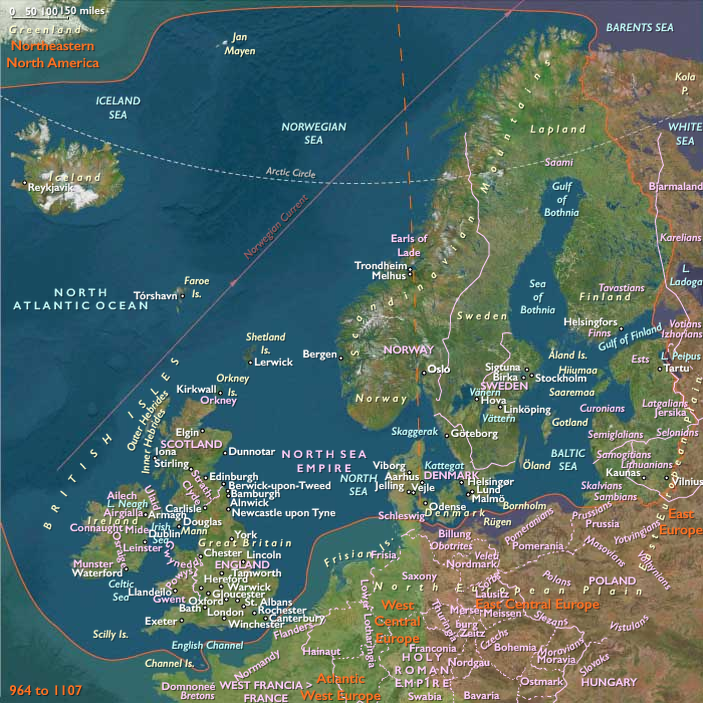
Related Events
Filter results
Showing 10 events out of 44 total
The Death of Gothelo I and the Outbreak of the Lotharingian Rebellion (1044–1045)
On April 19, 1044, Gothelo I ("the Great"), Duke of Upper and Lower Lorraine, passed away and was buried at the Abbey Church of Bilzen. His death triggered a major succession crisis, as Emperor Henry III refused to allow Gothelo’s son, Godfrey II ("the Bearded"), to inherit both duchies. This imperial intervention led to a twelve-year rebellion in Lotharingia, as Godfrey, supported by the Counts of Flanders and Leuven, resisted Henry III’s authority.
The Succession Crisis: Imperial Intervention
- Upon Gothelo I’s death, his son Godfrey II succeeded in Upper Lorraine.
- However, Emperor Henry III refused to allow him to inherit Lower Lorraine, breaking the precedent set by his father’s unification of both duchies in 1033.
- Instead, Henry III threatened to pass Lower Lorraine to Godfrey’s younger brother, Gothelo II, who was seen as incompetent and unfit for rule.
- Godfrey, displeased with this decision, began to gather allies to challenge imperial authority.
The Brewing Conflict (1044–1045)
- As tensions escalated, Godfrey II turned to King Henry I of France, seeking his support for a possible insurrection.
- Aware of Godfrey’s ambitions, Emperor Henry III summoned him to Aachen, where he was put on trial by his peers in Lower Lorraine.
- He was condemned, and his holdings, including the Duchy of Lower Lorraine and the County of Verdun, were confiscated.
- Facing imminent arrest or worse, Godfrey fled Aachen and immediately began arming for revolt.
Imperial Retaliation and the Road to Civil War
- Henry III, fresh from his victory over the Hungarians, wintered in Speyer in 1045, preparing for what was now an inevitable civil war in Lotharingia.
- The rebellion would pit Godfrey and his Flemish and Lotharingian allies against imperial forces loyal to Henry III, leading to twelve years of conflict.
- This Lotharingian revolt would be one of the longest and most dangerous challenges to Henry III’s reign, requiring multiple military campaigns to subdue.
Legacy and Consequences
- The division of Upper and Lower Lorraine by Henry III ensured that the two duchies would never again be ruled together, weakening Lotharingia as a political unit within the empire.
- The conflict between Godfrey and the emperor marked a major struggle between imperial authority and regional autonomy, a recurring theme in Holy Roman imperial history.
- The rebellion laid the groundwork for ongoing instability in the Low Countries, shaping the future political landscape of medieval Lotharingia.
The Lotharingian War (1044–1056) was one of the most significant feudal revolts of the 11th century, illustrating the fragility of imperial rule over powerful regional lords like Godfrey the Bearded.
Henry discusses the Italian political scene with some Lombard magnates at Augsburg and goes on to …
…Goslar, where he gives the duchy of Swabia to Otto, Count Palatine of Lorraine.
Henry also gives the margrave of Antwerp to Baldwin, the son of Baldwin V of Flanders.
A floor collapses in one of Henry's halls, killing Bruno, Bishop of Würzburg, while Henry is on his way to Hungary to spend Pentecost with King Peter.
Peter gives over the golden lance, symbol of sovereignty in Hungary, to Henry and pledges an oath of fealty along with his nobles.
Hungary is now pledged to Peter for life and peace is fully restored between the two kingdoms of Germany and Hungary.
Henry III’s Campaign Against Godfrey II and the Securing of Burgundy (1045)
In early 1045, Emperor Henry III launched a military campaign into Lorraine, aiming to crush Godfrey II ("the Bearded") and his rebellion. Though initially successful, his efforts were disrupted by famine, forcing him to shift his focus to Burgundy, where he secured the region under imperial rule.
The Lorraine Campaign and the Siege of Bockelheim
- Henry III entered Lorraine with a local army, intent on subduing Godfrey’s forces.
- He besieged and captured Godfrey’s stronghold at Bockelheim, a strategic castle near Kreuznach.
- Several other fortresses also fell to imperial troops, weakening Godfrey’s ability to resist.
- However, a severe famine forced Henry to withdraw, leaving behind garrisons to protect the region from further raids by Godfrey’s forces.
Godfrey’s Attempts to Stir Rebellion in Burgundy
- As Henry moved out of Lorraine, Godfrey attempted to destabilize imperial authority in Burgundy, a region that had been formally united with the empire in 1033.
- He exploited tensions between:
- The imperialist faction, which supported continued union with the Holy Roman Empire.
- The nationalist faction, which favored an independent Burgundy free from imperial control.
- His efforts sowed discord, but the imperialists, led by Louis, Count of Montbéliard, gained the upper hand.
Henry III’s Victory in Burgundy
- Reginald I, Count of Burgundy (the Free County), was defeated by Louis of Montbéliard, weakening anti-imperial forces in the region.
- By the time Henry III arrived, Reginald and Gerald, Count of Geneva, were ready to submit, acknowledging imperial authority.
- With their homage secured, Burgundy was fully reintegrated under Henry III’s rule, cementing its place within the Holy Roman Empire.
Consequences and Legacy
- While Godfrey continued to resist in Lorraine, his efforts to undermine imperial authority in Burgundy had failed.
- Henry III’s successful assertion of power over Burgundy ensured that the region would remain loyal to the empire, preventing future secessionist movements.
- The campaign exposed the fragility of imperial control in Lorraine, as Henry’s withdrawal due to famine gave Godfrey time to regroup.
- This phase of the Lotharingian Rebellion (1044–1056) illustrated the constant challenges the emperor facedin managing his vast domain, balancing military force, feudal diplomacy, and territorial consolidation.
Despite the temporary setbacks in Lorraine, Henry III’s Burgundian campaign was a clear imperial success, ensuring the duchy’s continued integration into the empire while limiting Godfrey’s ability to expand his influence beyond Lotharingia.
Henry III’s Campaign in Lower Lorraine and the Defeat of Dirk IV (1046)
Following his successful consolidation of Burgundy, Emperor Henry III turned his attention to Lower Lorraine, where a new crisis had emerged. Gothelo II, Duke of Lower Lorraine, had just died, creating a power vacuum that destabilized the region. Meanwhile, Dirk IV, Count of Holland, had taken advantage of the situation to seize Flushing, prompting Henry III to launch a river campaign to reclaim imperial authority.
Campaign Against Dirk IV and the Recapture of Flushing
- Henry III personally led a river-based military expedition against Count Dirk IV of Holland, who had occupied Flushing, a crucial strategic port in the Scheldt estuary.
- The campaign involved naval and land forces, demonstrating the emperor’s ability to wage war in the difficult terrain of the Low Countries.
- Dirk IV was decisively defeated, and Flushing fell back into imperial hands.
- To reinforce imperial influence in the region, Henry III granted Flushing to Bernold, Bishop of Utrecht, further strengthening ecclesiastical power as a counterbalance to rebellious secular lords.
Return to Aachen and the Fate of Lorraine
- After securing Flushing and pacifying Holland, Henry III returned to Aachen, the historic capital of Charlemagne, to celebrate Pentecost and convene a court to decide the fate of Lorraine.
- With Gothelo II’s death, Henry was now in a position to reconfigure the ducal structure of Lower Lorraine, a region still reeling from the rebellion of Godfrey the Bearded.
- His decision on Lorraine’s governance would be critical in determining the future balance of power in the Low Countries and the empire.
Legacy and Consequences
- Henry III’s campaign against Dirk IV demonstrated his firm commitment to maintaining imperial control over the rebellious feudal lords of the Low Countries.
- The transfer of Flushing to the Bishop of Utrecht reinforced the imperial strategy of using the Church as a counterweight to local nobility, a tactic Henry had already employed in Burgundy and Lorraine.
- With Lorraine still in turmoil, Henry’s next move would shape the course of the ongoing Lotharingian conflict, as Godfrey the Bearded remained defiant despite multiple setbacks.
Henry III’s swift military actions and political maneuvering reflected his strong personal leadership, securing imperial territories while preparing for the next stage of the Lotharingian rebellion.
Henry III’s Attempt at Conciliation and the Final Division of Lorraine (1046)
After years of rebellion and conflict, Emperor Henry III chose a strategy of limited reconciliation toward Godfrey the Bearded, the former Duke of Lower Lorraine. Rather than punishing him further, Henry restored him to his position in Upper Lorraine but denied him Lower Lorraine, which was granted to a new ruler. This decision, however, failed to pacify Godfrey, who remained dissatisfied with his diminished power.
Restoration of Godfrey in Upper Lorraine
- Despite his repeated rebellions against imperial rule, Godfrey the Bearded was restored as Duke of Upper Lorraine.
- Henry hoped to reconcile with Godfrey, recognizing his military strength and noble lineage.
- However, Godfrey's strongest claim had been to rule both Upper and Lower Lorraine, and his ambitions were not easily satisfied.
Verdun Handed to the Bishop
- To weaken Godfrey’s power further, Henry stripped him of the County of Verdun, a valuable imperial fiefthat had been a source of his strength.
- The county was instead granted to the Bishop of Verdun, reinforcing Henry’s policy of supporting ecclesiastical rulers over secular nobles.
- This move further alienated Godfrey, as it reduced his direct control over key territories within his duchy.
Lower Lorraine Granted to Frederick
- Instead of restoring Lower Lorraine to Godfrey, Henry appointed Frederick of Luxembourg, a loyal imperial supporter, as the new Duke of Lower Lorraine.
- Frederick’s rule ensured that Lower Lorraine remained under imperial influence, preventing Godfrey from reuniting the two duchies.
- This final division of Lorraine between Upper and Lower halves became a permanent political structure, shaping the future of the region.
Godfrey’s Continued Defiance
- Despite being restored to Upper Lorraine, Godfrey was not placated, as he had hoped to regain his full inheritance.
- The loss of Lower Lorraine to Frederick and Verdun to the bishop only deepened his resentment toward Henry III.
- This failed reconciliation meant that tensions between Godfrey and the emperor would continue, leading to further conflicts in the years ahead.
Legacy and Impact
- Henry III successfully prevented the reunification of Lorraine, ensuring that the region remained divided and under firm imperial control.
- The appointment of Frederick of Luxembourg in Lower Lorraine strengthened imperial oversight, but it also deepened Godfrey’s discontent, prolonging the Lotharingian unrest.
- The granting of Verdun to the bishop reinforced Henry’s use of the Church as a counterweight to feudal lords, a hallmark of his imperial policies.
Though Henry III attempted to pacify Godfrey, his refusal to fully restore his power ensured that the Duke of Upper Lorraine would remain a dangerous opponent, continuing to challenge imperial rule in the coming years.
Henry appoints Adalbert archbishop of Bremen and summons Widger, Archbishop of Ravenna, to a trial.
The right of a German court to try an Italian bishop is very controversial and presages the Investiture Controversy that are to characterize the reigns of Henry's son and grandson.
Henry continues from Aachen on to Saxony and holds imperial courts at Quedlinburg, …
…Merseburg (in June), and …