George Rogers Clark
American military officer from Virginia
Years: 1752 - 1818
George Rogers Clark (November 19, 1752 – February 13, 1818) is soldier from Virginia and the highest ranking American military officer on the northwestern frontier during the American Revolutionary War.
He serves as leader of the Kentucky (then part of Virginia) militia throughout much of the war.
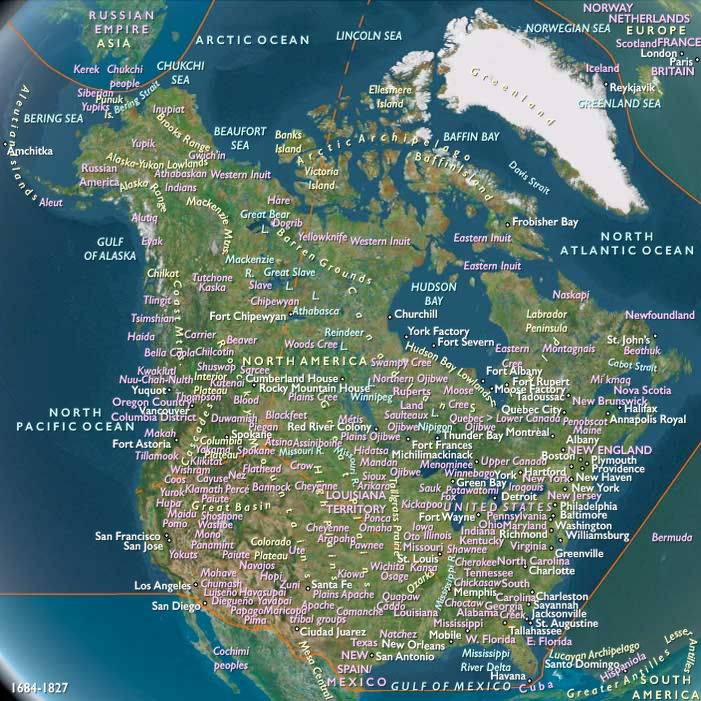
Clark is best known for his celebrated captures of Kaskaskia (1778) and Vincennes (1779), which greatly weakens British influence in the Northwest Territory.
Because the British cede the entire Northwest Territory to the United States in the 1783 Treaty of Paris, Clark has often been hailed as the "Conqueror of the Old Northwest."
Clark's military achievements all come before his 30th birthday.
Afterwards, he leads militia in the opening engagements of the Northwest Indian War, but is accused of being drunk on duty.
Despite his demand for a formal investigation into the accusations, he is disgraced and forced to resign.
He leaves Kentucky to live on the Indiana frontier.
Never fully reimbursed by Virginia for his wartime expenditures, Clark spends the final decades of his life evading creditors, and living in increasing poverty and obscurity.
He is involved in two failed conspiracies to open the Spanish-controlled Mississippi River to American traffic.
After suffering a stroke and losing his leg, Clark is aided in his final years by family members, including his younger brother William, one of the leaders of the Lewis and Clark Expedition.
Clark dies of a stroke on February 13, 1818.