Fujiwara no Michinaga
Japanese government official
Years: 966 - 1028
Fujiwara no Michinaga (966 – January 3, 1028) represents the highpoint of the Fujiwara clan's control over the government of Japan.
Related Events
Filter results
Showing 4 events out of 4 total
East Asia (964 – 1107 CE): Song Transformation, Goryeo and Heian Flourishing, Tangut Frontiers, and the Tibetan Renaissance
Geographic and Environmental Context
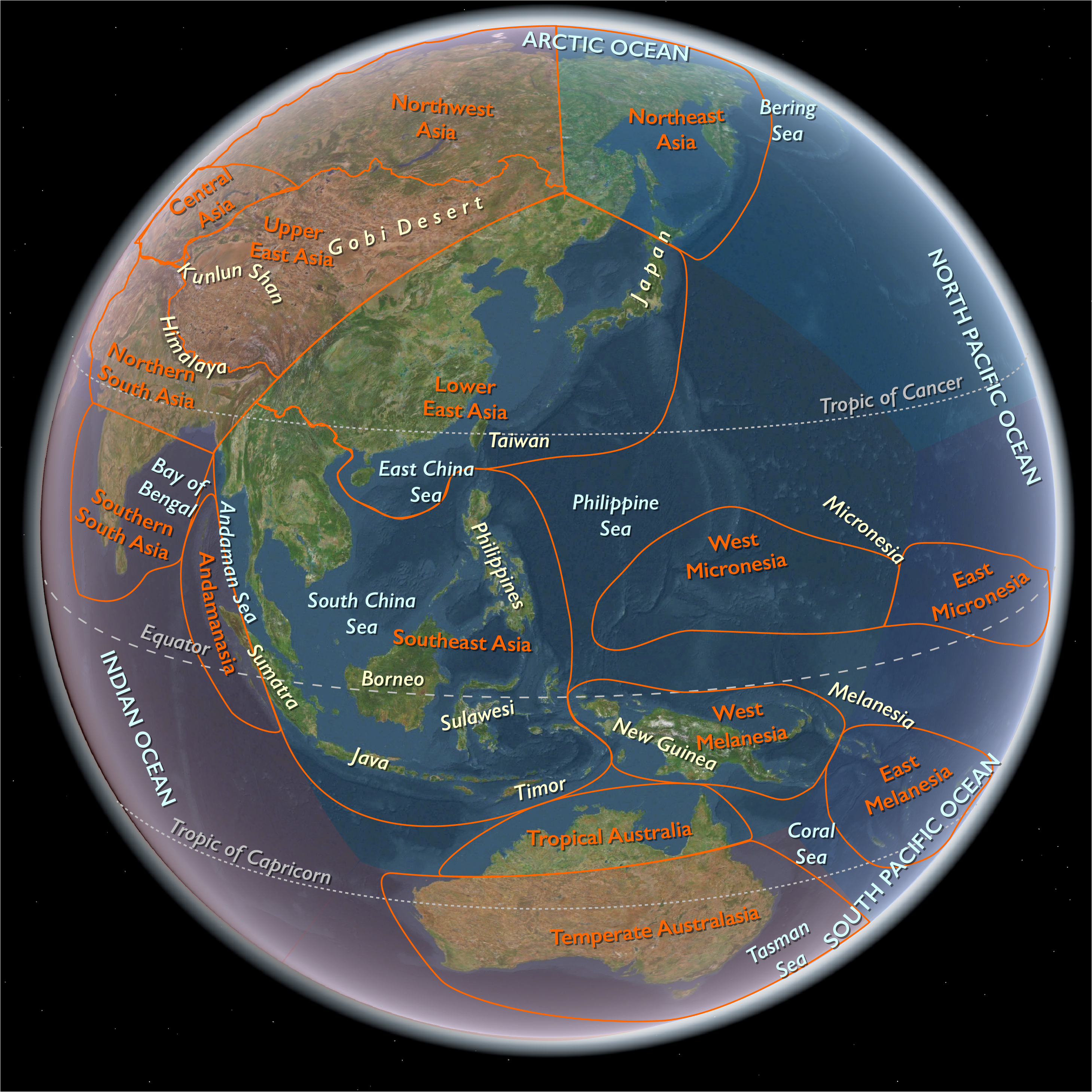
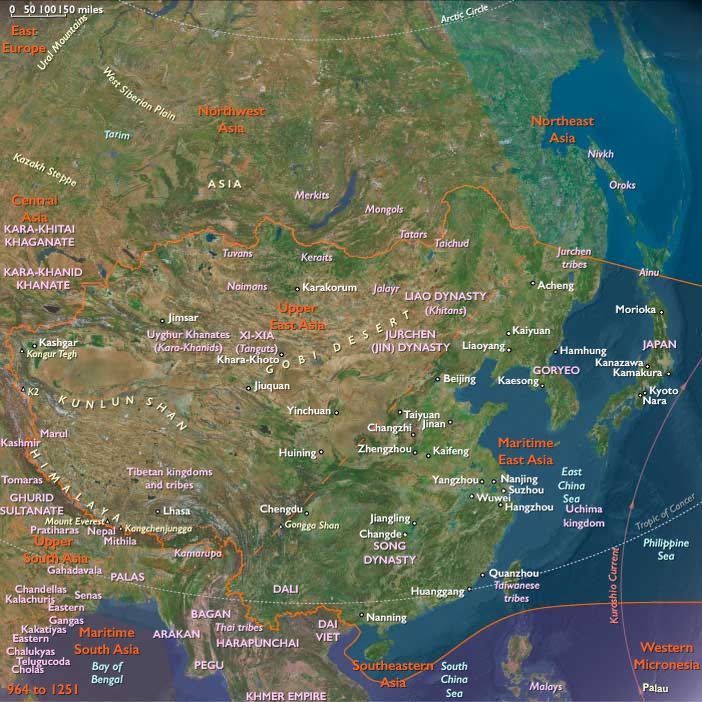
East Asia during the Lower High Medieval Age stretched from the Yangtze and Yellow River basins through the Korean Peninsula and Japanese archipelago, westward across Tibet, Xinjiang, and the Mongolian steppes.
It encompassed both the densely cultivated maritime lowlands of southern China, the Sichuan Basin, and the island networks of Korea, Japan, and Taiwan, as well as the vast oases and highlands of the continental interior—Gansu, Qinghai, Tibet, and Mongolia.
Fertile paddy belts, temperate forests, and steppe grasslands interlocked through caravan routes and sea lanes, binding agrarian empires, monastery-states, and nomadic confederations into a single continental–maritime system.
Climate and Environmental Shifts
The Medieval Warm Period (c. 950–1250 CE) brought slightly warmer, more stable conditions across most of East Asia.
-
South China’s monsoon supported double-cropped rice and urban growth.
-
Sichuan’s basins and the Yangtze delta thrived as agricultural heartlands.
-
Steppe rainfall improved pastures but remained variable, sustaining mobility and intertribal diplomacy.
-
Tibetan valleys gained longer growing seasons; oases of Xinjiang and Gansu prospered under stable meltwater supplies.
Overall, climatic stability fostered population expansion, intensification of agriculture, and the resurgence of long-distance trade across both land and sea.
Societies and Political Developments
Song China and Southern Prosperity
The Northern Song dynasty (960–1127) reunited most of China after the Five Dynasties’ turmoil. Its rulers never controlled Liaoning or Manchuria, held by the Khitan Liao, but the south became the economic core.
New hydraulic projects, improved rice strains, and dense canal systems turned Jiangnan, Fujian, Guangdong, and Sichuan into the empire’s granaries.
The Dali Kingdom (937–1253) in Yunnan and the Zhuang uplands of Guangxi remained semi-independent, supplying horses, metals, and frontier goods.
Administratively, the Song strengthened civil bureaucracy and examination systems, fostering an educated literati elite that guided both state and economy.
Korea and Japan
In the Korean Peninsula, Goryeo (918–1392) unified the land, blending Buddhism and Confucian administration. Aristocratic families sponsored temple complexes and perfected woodblock printing, establishing a literate, stable order.
In Japan, the Heian court under Fujiwara dominance reached a cultural zenith. Kyoto (Heian-kyō) became a world of refined ritual, poetry, and art—exemplified by The Tale of Genji—even as provincial warriors and estate (shōen) managers were forming the early samurai class.
Northern and Western Frontiers
To the north and west, hybrid powers arose between the agrarian and steppe worlds.
The Khitan Liao (907–1125) ruled Manchuria and northern China; their coexistence with the Song defined a dual-state frontier sustained by tribute and trade.
Farther west, Tangut Western Xia (1038–1227) consolidated in Gansu–Ningxia, fortifying the Hexi Corridor, taxing caravans, and mediating exchanges between Song, Liao, and the oasis kingdoms.
In Tibet, fragmented principalities entered a spiritual renaissance—the phyi dar, or “Later Diffusion of Buddhism.” The western courts of Guge and Purang sponsored translation projects and monastery foundations, while Atiśa’s arrival (1042) inspired reformist lineages such as Kadam.
Across Mongolia, confederations of Kereit, Naiman, Merkit, and other groups competed without a single hegemon, maintaining horse-trade diplomacy with the southern states.
Austronesian Taiwan
Meanwhile, Taiwan’s Austronesian communities cultivated taro, millet, and yams, fished coastal reefs, and traded shell ornaments and forest products with Luzon and Fujian. They remained politically autonomous yet integrated within the maritime economy that linked China to the Philippines and beyond.
Economy and Trade
East Asia’s prosperity arose from both intensive agrarian production and expanding maritime and overland exchange.
-
Song China experienced one of history’s great economic transformations: widespread wet-rice double cropping, iron and porcelain industries, the diffusion of paper money, and bustling markets connected by the Grand Canal.
-
Goryeo exported ceramics, textiles, and Buddhist art, trading with Song ports.
-
Heian Japan imported luxury goods and books, exporting aromatics, lacquer, and precious woods.
-
Tangut Western Xia and Uyghur Turfan taxed Silk Road caravans carrying silk, tea, and copper eastward, and horses, silver, and glass westward.
-
Tibet and Amdo prospered in the tea–horse trade, exchanging remounts for Song brick tea.
-
Oases of Xinjiang—Khotan, Kashgar, Turfan—linked Islamic and Buddhist worlds, while Mongolian steppes provided horses and hides.
-
At sea, Song merchant fleets sailed from Guangzhou and Quanzhou to Srivijaya and Goryeo, integrating with Indian Ocean circuits.
-
Taiwan and the Philippines acted as intermediaries, supplying shells, resins, and forest goods to Chinese ports.
This commercial web joined agrarian hinterlands to both steppe caravans and maritime spice routes, giving East Asia unprecedented economic dynamism.
Subsistence and Technology
-
Agriculture: south China’s paddies, Sichuan terraces, and deltaic irrigation generated surpluses supporting cities and temples.
-
Pastoralism: in the steppe and plateau zones, diversified herds (horses, yaks, sheep, goats, camels) stabilized food and transport.
-
Oasis agriculture: qanat irrigation, vine and orchard cultivation (apricot, pomegranate, mulberry) underpinned prosperity.
-
Technology: Song ironworking, ceramic kilns, gunpowder compounds, and water-powered mills advanced industry; navigation improved with the magnetic compass and large junk vessels.
-
Printing: woodblock and early movable-type systems flourished from Goryeo to Dunhuang, spreading texts and Buddhist sutras across the region.
Movement and Interaction Corridors
-
The Silk Roads (northern via Turfan/Hami, southern via Khotan/Kashgar) converged in the Hexi Corridor, where Western Xia and Song exchanged goods and horses.
-
Tibetan passes connected Ladakh, Nepal, and Sichuan.
-
Steppe tracks tied Mongolia to Liao and Western Xia markets.
-
Maritime corridors—Yangtze delta to Korea and Japan, Fujian to Taiwan and Luzon—created a parallel “Blue Silk Road.”
-
Monks, merchants, and envoys traversed both networks, circulating texts, technologies, and artistic styles from Dunhuang caves to Heian temples.
Belief and Symbolism
Across East Asia, political and spiritual authority fused in monumental expression.
-
Song Confucian bureaucracy coexisted with vibrant Buddhist and Daoist devotion; new philosophical syntheses later termed Neo-Confucianism began to crystallize.
-
Goryeo patronized Buddhist temples and printing, seeing the written word as sacred merit.
-
Heian Japan refined court aesthetics through esoteric Buddhist rites and Shinto-Buddhist syncretism.
-
Tangut Western Xia adopted state Buddhism with Tangut script and monumental steles asserting royal legitimacy.
-
Tibet’s phyi dar re-anchored Buddhism through scholastic networks, while Bon persisted in hybrid forms.
-
Uyghur and oasis towns sustained pluralism—Buddhist, Manichaean, Nestorian, and Islamic.
-
Mongolian camps maintained sky cults and ancestral rites, binding steppe mobility to cosmological order.
-
Taiwan’s Austronesians revered sea and forest spirits, integrating ritual exchange into navigation and kinship.
Adaptation and Resilience
Ecological intelligence and social flexibility underpinned stability:
-
Song hydraulic management and public granaries cushioned floods and famine.
-
Western Xia’s tolls and forts protected caravans while feeding royal revenues.
-
Tibetan monasteries acted as grain banks and schools, stabilizing fragmented politics.
-
Steppe alliances and intermarriage balanced drought cycles.
-
Multi-port trade redundancy across China’s coasts and the Korea–Japan corridor buffered against piracy or blockade.
-
Oases used diversified crops and merchant diasporas to maintain supply lines.
Resilience lay in the interplay between sedentary and mobile systems—the equilibrium of paddy, pasture, and port.
Long-Term Significance
By 1107 CE, East Asia stood as a composite of interconnected civilizations:
-
Song China, the most urbanized and technologically advanced state on Earth, prosperous yet hemmed in by Liao and Western Xia frontiers.
-
Goryeo Korea, stable and cultured, balancing Buddhist devotion with Confucian governance.
-
Heian Japan, artistically resplendent, yet gestating the samurai age.
-
Tangut Western Xia, commanding the Hexi Corridor and bridging Silk Road trade.
-
Tibet, resurgent as a Buddhist scholastic heartland.
-
Uyghur Turfan and Qocho, sustaining Buddhist manuscript culture amid Islam’s westward advance.
-
Mongolian steppe confederations, refining cavalry economies that would later birth imperial unification.
-
Austronesian Taiwan, a vibrant maritime frontier connecting the South China Sea to Pacific archipelagos.
Together, these worlds—agrarian, maritime, monastic, and nomadic—made East Asia the densest nexus of innovation, belief, and exchange of the eleventh century, setting the stage for the political realignments and trans-Eurasian transformations of the age to come.
Maritime East Asia (964 – 1107 CE): Song Transformation, Goryeo Consolidation, Heian Aristocracy, and Austronesian Taiwan
Geographic and Environmental Context
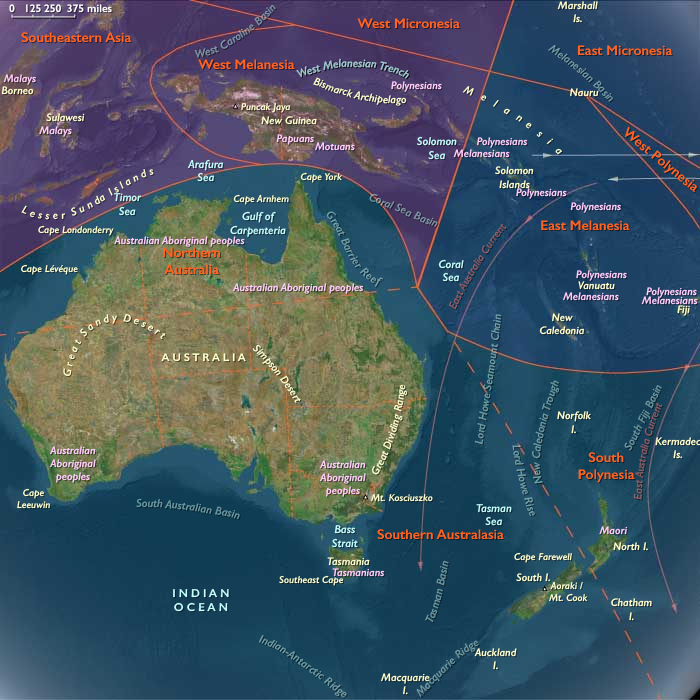
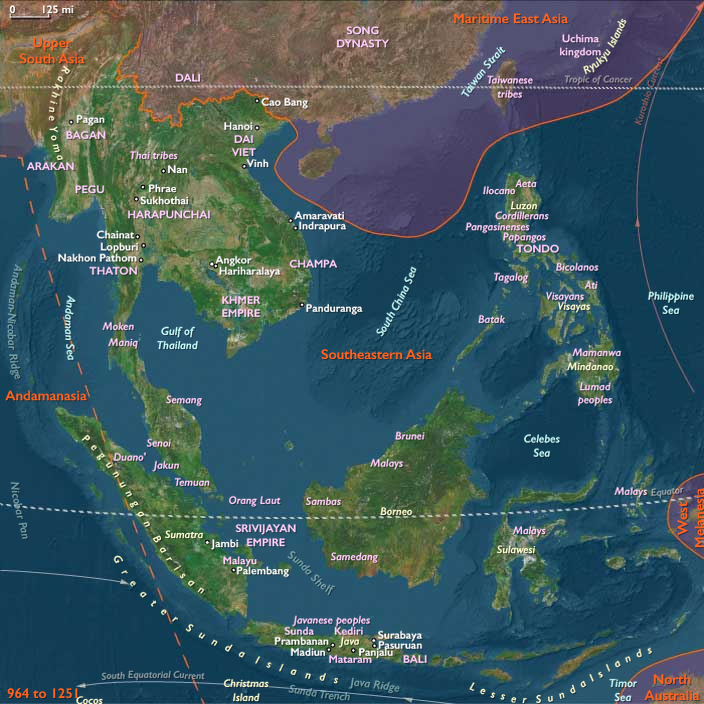
Maritime East Asia includes Japan, the Korean Peninsula, Taiwan, southern China (including Yunnan and Guangxi), northeastern China (including Liaoning, Jilin, and Manchuria/Heilongjiang), and the Sichuan Basin.
-
Southern China: rice lands of the Yangtze, fertile Sichuan Basin, and maritime provinces (Fujian, Guangdong, Zhejiang). Yunnan and Guangxi remained frontier uplands, inhabited by non-Han groups, loosely tied to Song authority.
-
Northeastern China: Liaoning plains and Jilin–Manchuria were contested by the Khitan Liao dynasty (907–1125), limiting Song power in the north.
-
Korea: Goryeo unified the peninsula, sustaining Buddhist culture.
-
Japan: Heian court life in Kyoto reached cultural peaks, even as provincial militarization advanced.
-
Taiwan: Austronesian villages continued horticulture and coastal trade with Luzon and Fujian.
Societies and Political Developments
-
China (Song, 960–1279):
-
The Northern Song (960–1127) reunited much of China but never controlled Liaoning or Manchuria, which were under the Khitan Liao.
-
Southern provinces + Sichuan Basin became the agrarian core, supported by double-cropping rice.
-
Yunnan (Dali Kingdom, 937–1253) succeeded Nanzhao, independent of Song but interacting through trade.
-
Guangxi uplands remained semi-autonomous, with local Zhuang peoples maintaining distinctive traditions.
-
-
Korea (Goryeo, 918–1392): Aristocracy and Buddhist institutions flourished; woodblock printing advanced.
-
Japan: Fujiwara dominance continued, but provincial warriors foreshadowed samurai rule; literary heights with The Tale of Genji.
-
Taiwan: Austronesian swidden fields and fishing villages supplied shell ornaments, forest goods, and engaged in cross-Strait exchange.
Long-Term Significance
By 1107 CE, Maritime East Asia was a mosaic of powerful dynasties and resilient peripheries:
-
Song China: rich, populous, technologically innovative, but geopolitically constrained by the Liao in the northeast and the Dali Kingdom in Yunnan.
-
Goryeo Korea: stable and prosperous, balancing Buddhist devotion with Confucian bureaucracy.
-
Japan: Heian culture at its zenith, with early samurai forming in provinces.
-
Taiwan’s Austronesians: continued their role as maritime intermediaries in the South China Sea.
The Fujiwara have absolute control over the Japanese court within decades of Daigo's death.
Fujiwara Michinaga is able to enthrone and dethrone emperors at will by the year 1000.
Little authority is left for traditional officialdom, and government affairs are handled through the Fujiwara family's private administration.
The Fujiwara magnates have become what historian George B. Sansom will call "hereditary dictators."
Japanese regent and statesman Fujiwara no Michinaga was the fourth or fifth son of Fujiwara no Kaneie by his wife Tokihime, daughter of Fujiwara no Nakamasa.
There have been two regents and two imperial consorts among his brothers and sisters by the same mother.
As the youngest son of his father, his career at court, which he began at age fifteen, had been unremarkable until his two elder brothers Michitaka and Michikane died of disease in 995 during the reign of Emperor Ichijō.
Michinaga had struggled with Fujiwara no Korechika, the elder son of Michitaka, for political power.
With support of Senshi, his sister and mother of Ichijō, Michinaga had eventually succeeded in gaining power as well the support of majority of the court.
He had been appointed Nairan, the secretary of the emperor and the reviewer of all the documents sent to the emperor before the emperor himself read them.
During the initial years of Go-Ichijō's reign, Fujiwara no Michinaga had actually ruled from his position as sesshō (regent).
Although Michinaga has never formally taken on the title of kampaku regent, he exercises great power and influence, even after he formally retires from public life in 1019.
He will continue to direct the affairs of his son and successor, Fujiwara no Yorimichi, and will remain the de facto ruler of Japan until his death in 1028.