The Canadian force, after the rigors of the previous year's campaign in Nova Scotia, is weakened by illness, including Ramezay, which is why he delegates command of the attack on Grand Prè to Captain Nicolas Antoine II Coulon de Villiers.
Born in Contrecœur, Quebec, as a son of Nicolas-Antoine Coulon de Villiers and Angelique Jarret de Verchères, his three brothers are Louis Coulon de Villiers, François Coulon de Villiers and Joseph Coulon de Jumonville.
Coulon de Villiers had fought against the Sauks in his youth and had become commander of Fort St. Joseph (Niles, Michigan) after the death of his father in battle.
Returning to Quebec in 1742, he had on October 9, 1743, married Madeleine-Marie-Anne Tarieu de La Pérade, the widow of Richard Testu de La Richardière.
The French embark on January 21, 1747, on a twenty-one day winter march to the Minas.
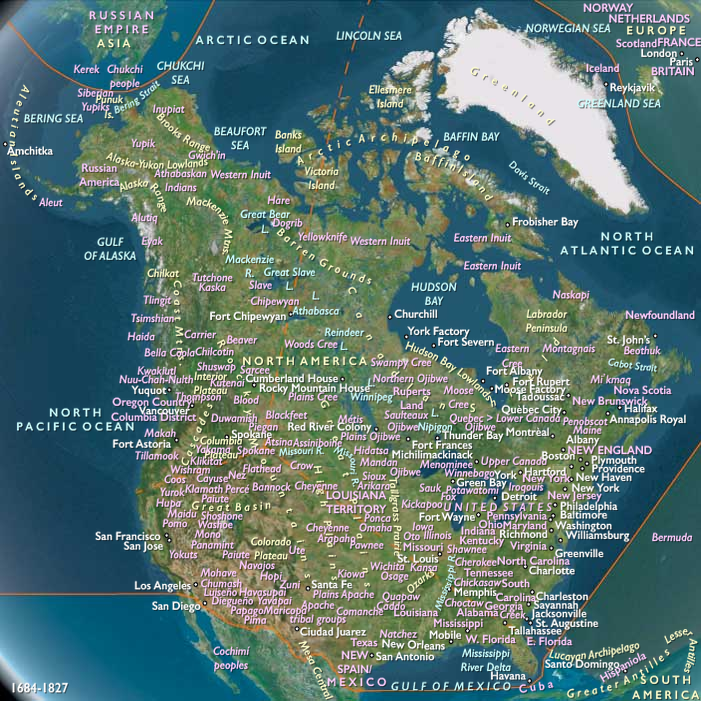
The troops, on snowshoes and utilizing sleds, cross to Bay Verte, follow the Northumberland shore to Tatamagouche, cross the Cobequid Mountains to Cobequid Bay near present-day Truro, and by February 2 have reached the Shubenacadie River, which they find blocked by ice and too dangerous for the main force to cross.
De Villiers orders Boishébert to cross the river with ten men and to block the roads so that word of the impending attack is not spread by the locals.
The Canadian force has been joined throughout the trek by both Acadian militia and Mi'kmaq warriors.
Further assistance comes when they are sheltered and fed by local Acadian families who also provide information on the New England positions.
There are Acadians, however, who are not allies.
View Event